WhatsApp: +86 16626708626
 Email:
  Phone: +86 16626708626
Description
Key Technical Specifications
| Parameter | Value / Specification |
| Catalog Number | 1769-L35E |
| User Memory | 1.5 MB Configurable Application Memory |
| EtherNet/IP Communication | 1 x RJ-45 10/100 Mbps port (supports up to 32 Ethernet IP connections) |
| Serial Communication | 1 x RS-232-C (Channel 0: 9-pin D-shell) |
| Expansion Bus Support | Supports up to 30 x 1769 Compact I/O modules across 3 expansion banks |
| Power Supply Distance Rating | 4 modules (must be installed within 4 slots of a 1769 power supply) |
| Backplane Current Draw | 660 mA @ 5.1V DC, 90 mA @ 24V DC |
| Battery Backup | 1769-BA Lithium Battery for volatile memory retention |
| Non-Volatile Storage | CompactFlash card slot (supports 1784-CF64 or 1784-CF128 cards) |
| Operating Temperature | 0 to 60°C (32 to 140°F) |
Product Introduction & Supply Chain Strategy
This product is a Brand New Surplus unit. It is not used, not pulled from a decommissioned plant, and not refurbished. All modules undergo rigorous quality verification to ensure OEM-level reliability. The Allen-Bradley 1769-L35E represents the top-tier processing capacity within the legacy CompactLogix L3 family, providing double the user memory (1.5 MB) of the 1769-L32E to handle complex batching algorithms, multi-zone thermal controls, and extensive Ethernet I/O trees.
Because many process plants rely on 1769-L35E controllers as central skid managers, procuring factory-fresh New Surplus hardware is critical for operational longevity. Refurbished 1769-L35E units carry notable failure risks: second-hand modules often exhibit heat-damaged Ethernet PHY chips, leading to intermittent socket connection drops under heavy network traffic, along with worn flash memory blocks. Installing verified New Surplus guarantees full 1.5 MB program execution speed, reliable network communications, and an optimized Total Cost of Ownership by deferring costly system migrations.
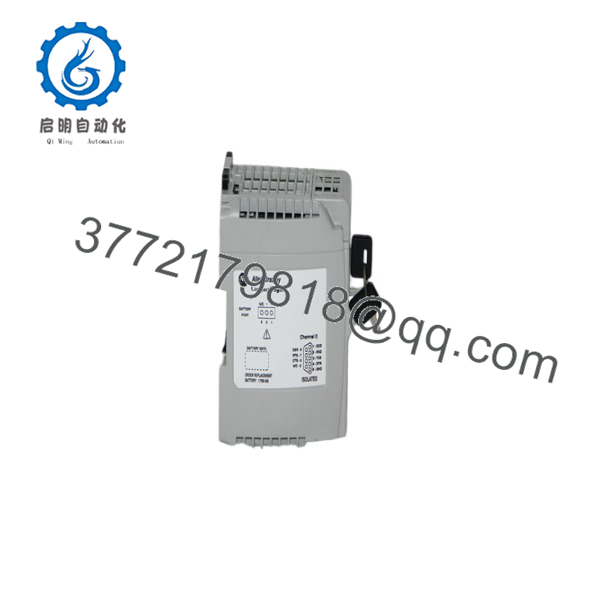
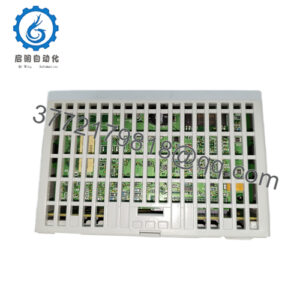
1769-L35E
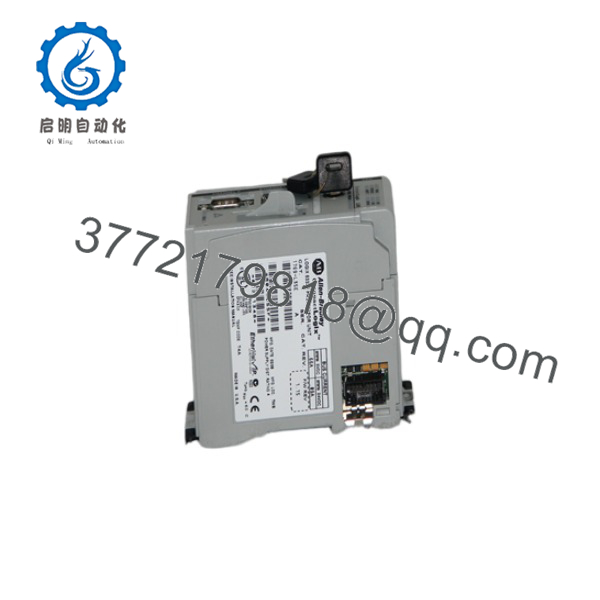
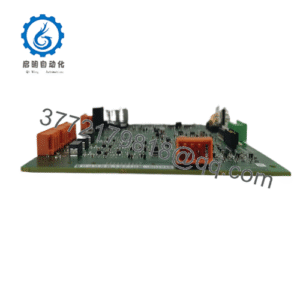
1769-L35E
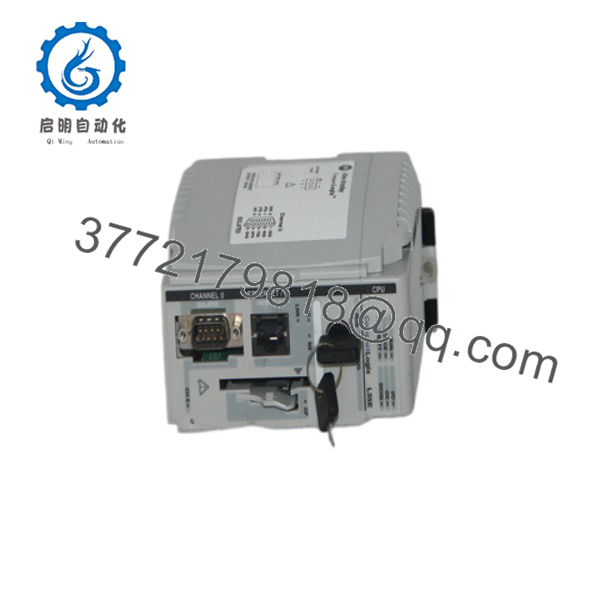
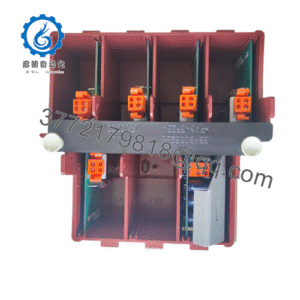
1769-L35E
Installation & Configuration Guide
1.Pre-Installation (Prep & Safety):Safety warning: De-energize chassis power and connect ESD grounding before handling CPU.
Isolate main AC/DC power supplying the 1769 chassis and enforce Lock-Out/Tag-Out (LOTO) procedures. Connect a grounded anti-static wrist strap. Record existing IP address settings, network topology details, and cable connections.
2.Removal:
Disconnect the RJ-45 Ethernet patch cable and DB-9 serial connector. Unlatch the top and bottom bus levers on the adjacent 1769 power supply or I/O module. Slide the failed 1769-L35E controller straight forward off the 35 mm DIN rail.
3.Installation (Clone & Seat):
Unpack the New Surplus 1769-L35E processor in an ESD-protected workspace. Verify the 1769-BA battery connector is firmly seated in its socket. Align the controller on the DIN rail, push flush against the adjacent module, and snap both bus locking levers closed. Reconnect the Ethernet and serial cables.
4.Power-On & Testing:
Restore power to the chassis. Confirm that the OK LED transitions to solid green and the LINK LED flashes green on Ethernet traffic. Use the BOOTP/DHCP tool or Studio 5000 / RSLogix 5000 via serial connection to assign the static IP address, download the logic project, and confirm all network nodes are online without error codes.
Firmware/Software Versions & Upgrade Notes
- Software Compatibility: Programmed using RSLogix 5000 / Studio 5000 (Major Revisions 13 through 20 supported).
- Ethernet Node Management: The 1769- embedded EtherNet/IP port supports up to 32 CIP connections. Exceeding connection limits causes network buffer overruns; monitor connection usage in RSLogix 5000 task manager.
- Non-Volatile Image Load: Insert a 1784-CF64 or 1784-CF128 CompactFlash card to back up program logic and tag values. Set controller properties to “Load Image on Power Up” to ensure automated recovery following extended power outages.
Frequently Asked Questions (FAQ)
What is the primary difference between the 1769-L32E and the 1769-?
The features 1.5 MB of user memory and supports up to 30 local Compact I/O modules (across 3 banks), whereas the 1769-L32E provides 750 KB of user memory and supports up to 16 local modules. Both controllers feature integrated EtherNet/IP and RS-232 ports.
Why choose New Surplus over a refurbished 1769-?
Refurbished 1769- processors often suffer from thermal degradation on internal voltage regulators and worn network transceivers. Under high network loads or elevated panel temperatures, these worn components trigger random CPU faults or Ethernet connection drops. New Surplus offers zero operational hours, pristine memory retention, factory-spec Ethernet communication performance, and maximum system lifespan.
Are these 1769- controllers genuine Allen-Bradley products?
Yes. We strictly guarantee that every 1769- controller supplied is 100% Original OEM New Surplus. Sourced from audited distributor overstock, plant reserve stocks, and verified project inventory, each module undergoes visual, mechanical bus, and live bench testing before shipment.
Can I upgrade a system running a 1769-L32E to a 1769- without modifying panel wiring?
Yes. The 1769- shares the exact same physical dimensions, backplane connections, and power supply distance requirements as the 1769-L32E. You can swap the CPU, update the controller type in the RSLogix 5000 project properties, and download the logic program without changing field wiring.
What warranty is included with this New Surplus controller?
All New Surplus 1769- processor modules come with our full 1-year replacement warranty. If any functional hardware defect or communication port failure occurs under standard operating conditions within 12 months, we will replace the unit immediately from our stock.