 WhatsApp: +86 16626708626
 Email:
  Phone: +86 16626708626
Description
Key Technical Specifications
- Model: DFI-100-340F
- Brand: Alstom
- Product family: LIMELIGHT
- Function: Diagnostic flame indicator
- Application: Industrial burner flame monitoring
- Input supply: 110-220 V AC
- Use case: Continuous flame verification
- Category: Other PLC and DCS module
- Availability: Stock varies by supplier
- Condition: Often sold as refurbished or new surplus
- Replacement note: Verify site wiring and burner interface before installation
Product Introduction
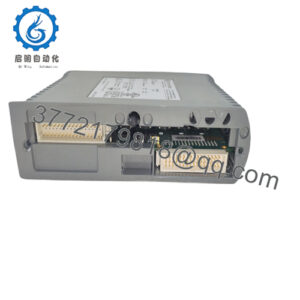
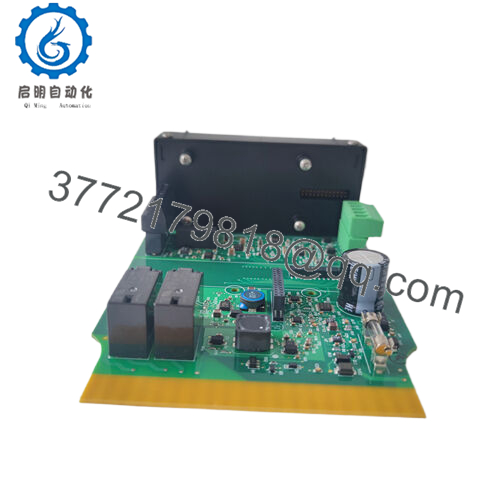
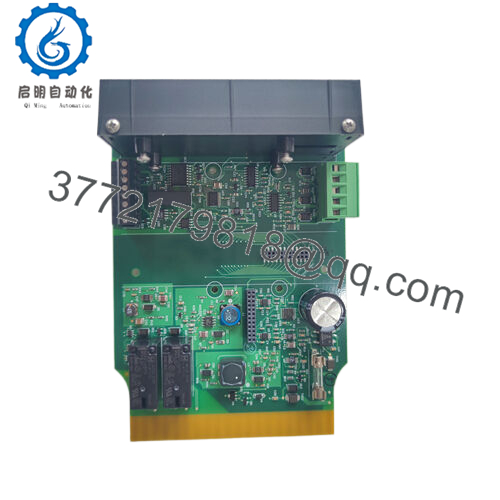
The Alstom DFI-100-340F is a LIMELIGHT diagnostic flame indicator used for combustion flame monitoring in industrial burner systems. It is sold as an Alstom industrial control component and is typically listed for PLC and DCS-related applications.
Buyers usually choose this unit when they need a direct flame proofing or diagnostic replacement with the same model code and supply range. The exact site wiring, burner interface, and compatibility with the existing flame system still need verification before swap-in.

- DFI-150-0003
Troubleshooting Quick Reference
| Symptom | Possible Cause | Relevance to This Part | Quick Check Method | Recommendation |
|---|---|---|---|---|
| No flame indication at startup | No supply power, blown fuse, bad wiring | ✅ High | Measure 110-220 V AC at the input terminals | Check upstream supply and terminals before replacing the unit |
| False flame loss alarm | Dirty sensor path, burner instability, wiring issue | ✅ High | Inspect flame signal path and compare against burner behavior | Confirm burner hardware and sensor alignment first |
| Unit powers up but gives no status | Internal fault, logic issue, wrong configuration | ✅ Medium | Check LEDs, wiring, and any diagnostic output from the host system | Replace only after confirming supply and configuration |
| Alarm persists after reset | External flame relay or burner control fault | ✅ Medium | Test connected flame relay and interlocks | Do not assume the indicator is failed |
| Intermittent operation | Loose terminal block, vibration, poor grounding | ✅ High | Wiggle-test wiring and verify ground continuity | Re-terminate wiring and inspect the mounting condition |
| Inconsistent flame proving | Burner condition, sensor contamination, timing mismatch | ✅ Medium | Compare timing and flame signal behavior during startup | Review the full burner control circuit before ordering a replacement |
If you are stuck, send photos of the wiring, front labels, and any diagnostic logs to technical support.
Frequently Asked Questions
Q: What is the Alstom DFI-100-340F used for?
A: It is a diagnostic flame indicator for industrial burner systems. In practice, it helps verify flame presence and support burner safety logic.
Q: Is this a direct replacement for every DFI-100 unit?
A: Not automatically. The model code matters, but you still need to confirm supply voltage, terminal layout, and system compatibility before installation.
Q: Is it hot-swappable?
A: No, do not treat it as hot-swappable. Kill power first and verify zero voltage before touching the wiring.
Q: Why is this often sold as surplus or refurbished?
A: Because the platform is older and stock usually comes from excess inventory, decommissioned systems, or tested secondary-market units.
Q: Does it keep programming or configuration after replacement?
A: This depends on the host system and the exact installation. Always document the old unit’s settings and wiring before removal.
Q: What condition should I expect when buying one?
A: Many listings are new surplus or refurbished, not factory sealed. That usually lowers cost, but you should ask for test status and traceability details.
Q: What should I verify before ordering?
A: Confirm the full model number, supply range, connector style, and burner control compatibility. A mismatch there is what usually causes install delays.