WhatsApp: +86 16626708626
 Email:
 Phone: +86 16626708626
Description
Key Technical Specifications
| Parameter | Specification / Value |
| Model Number / Part Number | L54E2901TW00 |
| Manufacturer | ALSTOM Signaling |
| Safety Integrity Level | SIL4 (EN 50128 / EN 50129 compliant) |
| Form Factor | 6U VME Bus Module |
| Operating Voltage | 24 V DC (±10%) |
| Power Consumption | 18 W nominal |
| Logic Processing Architecture | Dual-Processor Fail-Safe Redundant Logic |
| Galvanic Isolation | 2500 V AC between backplane logic and external I/O |
| Diagnostic Response Time | ≤ 20 ms safety shutdown response |
| Conformal Coating | Industrial acrylic coating for humidity and harsh atmosphere protection |
| Operating Temperature | −20 °C to +70 °C (−4 °F to +158 °F) |
| Unit Weight | 1.4 kg (3.1 lbs) |
Product Introduction & Supply Chain Strategy
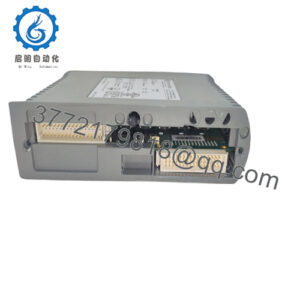
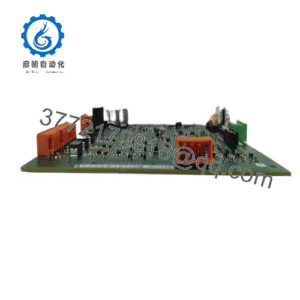
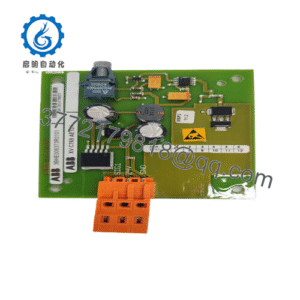
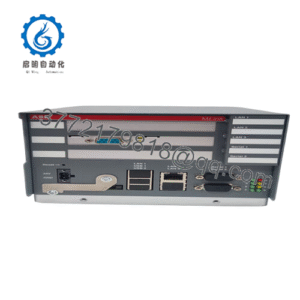
The ALSTOM L54E2901TW00 is a SIL4 fail-safe safety processing card used in mainline, metro, and station interlocking systems. Sitting on a standard 6U VME backplane architecture, the card executes vital signaling logic, monitors track circuit feedback, and enforces fail-safe interlocks across track switches and signals. Its hardware architecture relies on continuous self-diagnostics to force outputs into a safe de-energized state upon detecting any internal fault.
As transit agencies face strict safety re-validation mandates when modifying infrastructure, substituting a legacy signaling card with a different hardware revision requires lengthy re-certification processes. Sourcing genuine New Surplus L54E2901TW00 cards preserves system authorization without costly re-engineering. Avoiding used or refurbished signaling modules removes risks associated with aging capacitors, degraded optocouplers, or latent micro-cracks in multi-layer PCBs. Maintaining 1–2 New Surplus units as strategic buffer stock provides instant replacement capability while safeguarding system safety integrity.
Installation & Configuration Guide
Critical Rail Safety & High Voltage Warning
Interlocking systems manage safety-critical train separation and track route locking. Before servicing cards, ensure field circuits and logic power feeds undergo full Lock-Out/Tag-Out (LOTO). Never insert or remove VME modules without verifying power isolation.
1.Pre-Installation & Safety Controls:5 mins.
Execute LOTO on the cabinet logic power supply. Strap on a grounded ESD wristband attached to rack earth ground. Record front panel jumper/switch configurations and card slot assignment.
2.Demounting Failed Module:10 mins.
Unscrew top and bottom front panel retention screws. Release card ejector handles simultaneously to disengage backplane pins, and pull the module smoothly forward out of the guide tracks.
3.Hardware Configuration & Module Insertion:10 mins.
Verify that address jumpers and hardware switches on the new L54E2901TW00 match the original board configuration. Align the card with the card guide channels, slide it in until backplane connectors align, and lock ejector handles into position. Tighten top and bottom retention screws.
4.Power-On & System Verification:15 mins.
Restore 24 V DC logic power. Observe the front panel diagnostic display: verify that status LEDs go through the boot sequence and show steady GREEN (Run State) without persistent RED fault indicators.
Verification: The master interlocking CPU must establish stable communication with the L54E2901TW00 card over the VME backplane without generating system alarm codes or channel timeout errors.
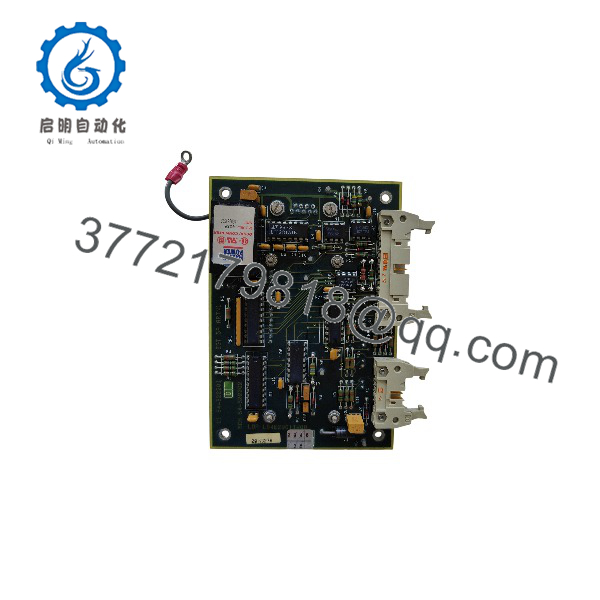
L54E2901TW00
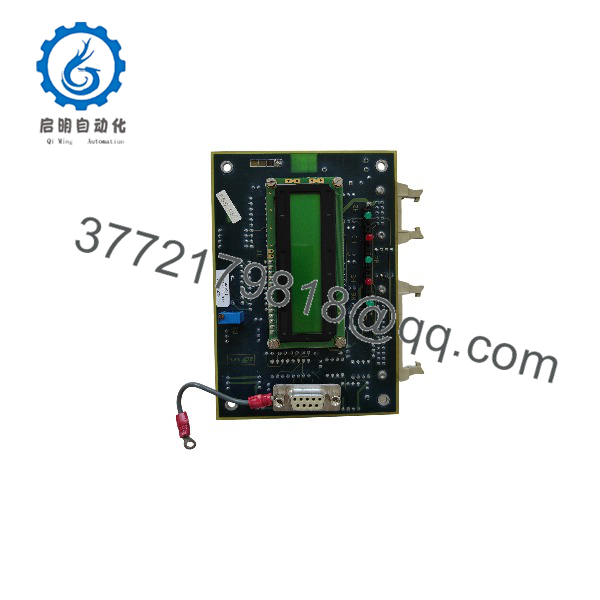
L54E2901TW00
Firmware/Software Versions & Upgrade Notes
- System Compatibility: Designed for ALSTOM ESVI signaling racks and related VME-based interlocking systems. Fully pin-compatible with legacy L54E-series chassis configurations.
- Firmware Retention: Vital application software and track layout parameters reside in system memory or dedicated EEPROM keys. Replacing the L54E2901TW00 hardware module does not require field firmware flashing provided address switches match the slot assignment.
- Address Match Precaution: Ensure all DIP switch banks and hardware address jumpers on the card board are set identically to the failed unit prior to inserting the card into the VME rack.
Frequently Asked Questions (FAQ)
Is this ALSTOM L54E2901TW00 card factory new or refurbished?
This product is Brand New Surplus. It is not a pulled card, second-hand unit, or refurbished board. It features original factory components, pristine backplane connectors, and zero thermal degradation history.
What are the operational risks of buying refurbished rail safety modules?
Refurbished safety cards carry hidden hazards such as degraded optocouplers, fatigued solder joints, and aged capacitors caused by thousands of hours under thermal stress. In a SIL4 signaling environment, a component degradation issue can cause nuisance shutdowns or, in severe cases, dangerous intermittent failures that compromise safety integrity.
What safety standards does this module meet?
The ALSTOM L54E2901TW00 card complies with CENELEC EN 50128 and EN 50129 standards for SIL4 (Safety Integrity Level 4) railway signaling applications.
Can this card be installed while the rack is powered (hot-swapped)?
No. Hot-swapping can cause electrical arcing across VME backplane pins and corrupt system memory buses. Always perform a complete rack power shutdown before extraction or insertion.
What warranty is provided with this component?
Every New Surplus ALSTOM L54E2901TW00 card is backed by a standard 12-Month Replacement Warranty. Prior to shipment, each module undergoes rigorous visual inspection, insulation testing, and POST validation.