WhatsApp: +86 16626708626
 Email:
  Phone: +86 16626708626
Description
Key Technical Specifications
- Function: Test terminal block for protection relay control & relay (C&R) panels — isolates relay from CT, VT, and DC/AC supply circuits during commissioning or maintenance testing
- Part Number Variants: MMLG01R1AA0001E, MMLG01R1AA9002D (and other rev suffixes exist — match your panel’s exact designation)
- Related Family: MMLG02 (same block family), P991 (newer Alstom design with automatic CT shorting — not a drop-in replacement due to paddle incompatibility)
- CT Shorting Method: Manual — requires an external shorting link or the correct MMLG test paddle; unlike the newer P991, MMLG01 does not auto-short CT circuits
- Compatible Test Paddle: MMLG-pattern paddle (not interchangeable with ABB FT/Flexi-Test hairpin-style clips, or with P991 paddles)
- Regional Usage: Predominantly UK-origin design with global installation base on legacy protection panels
❗ Note: I could not locate a published Alstom/GE datasheet with electrical ratings (current rating per pole, voltage rating, contact material, number of poles) for MMLG01 specifically. Pole count and rating vary by the exact suffix/revision. Confirm against the physical unit’s nameplate or your panel schematic before ordering — this matters more than usual here because a wrong pole count won’t just fail to fit, it can leave a CT circuit unintentionally open.
Product Introduction
The Alstom (GEC) MMLG01 is a test terminal block built into protection relay control and relay panels, letting a technician isolate the relay from its CT, VT, and power supply wiring for testing without disturbing the underlying terminations. It’s a long-standing industry-standard design in UK and global protection schemes, sitting alongside ABB’s FT/Flexi-Test line as one of the two most common test block families in the field.
Unlike Alstom’s newer P991 design, the MMLG01 does not auto-short CT circuits — shorting is handled manually via an external link or the correct MMLG paddle. That’s a deliberate design point buyers need to know going in, not a limitation to gloss over, since getting CT shorting wrong on a live circuit is a genuine safety issue.
Troubleshooting Quick Reference
| Symptom | Possible Cause | Relevance to this Part | Quick Check Method | Recommendation |
|---|---|---|---|---|
| Relay shows no CT/VT signal with test paddle removed | Normal operating behavior — paddle removal is designed to isolate the relay | ❌ Low | Confirm paddle position; this is expected when isolating for test | Not a fault — this is the block doing its job |
| CT circuit reads open with paddle removed and no shorting link installed | Missing or improperly seated shorting link | ✅ High | Visually inspect for the shorting link/jumper on the CT side before removing the paddle fully | ❗ Install the correct shorting link before fully isolating — an open CT secondary is a safety hazard, not just a signal loss |
| Test block contacts show scorching or pitting | Contact wear from repeated testing cycles, or a fault current event | ✅ High | Visual inspection of contact surfaces | Replace the block — degraded contacts on a CT circuit test block are a reliability and safety concern |
| Paddle won’t seat or seats loosely | Wrong paddle type (e.g., P991 or ABB FT paddle used on an MMLG block) | ❌ Low | Confirm paddle part number matches the MMLG family | Source the correct MMLG-pattern paddle — paddles are not interchangeable across brands/families |
| Intermittent relay signal during normal (non-test) operation | Loose panel wiring or terminal, not the test block itself | ❌ Low | Check upstream/downstream terminal connections independent of the test block | Usually a wiring issue — isolate the test block from the fault path before replacing it |
If you’re still stuck, contact technical support with photos of the block’s full part number/suffix, the paddle you’re using, and a description of the panel it’s installed in — pole count and rating differences between MMLG suffixes make a generic answer unreliable without that detail.
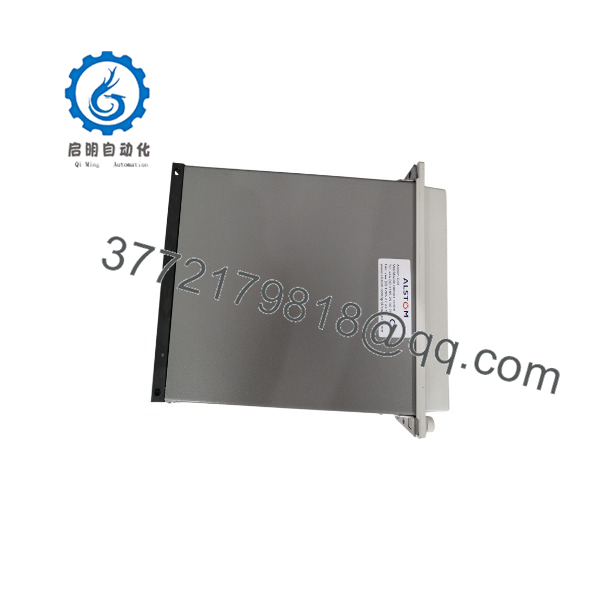
MMLG01
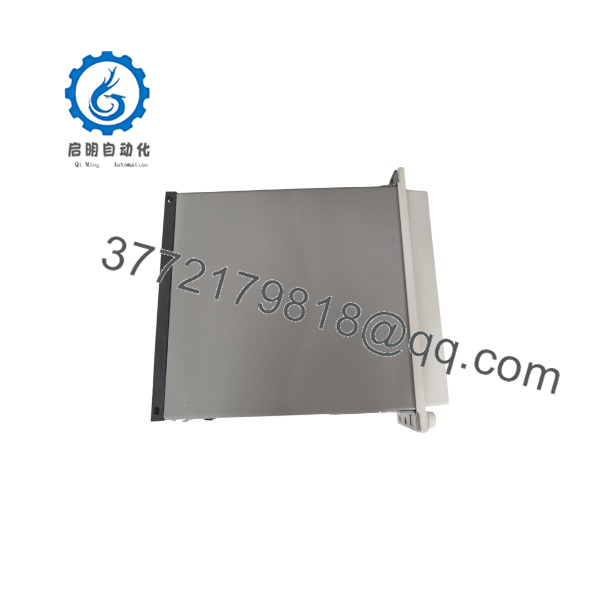
MMLG01
Frequently Asked Questions (FAQ)
Is the MMLG01 still manufactured?
It’s a long-fielded legacy design, and current sourcing runs through surplus and specialty relay-parts suppliers rather than new factory production. Alstom’s newer P991 was introduced with automatic CT shorting, but it hasn’t displaced MMLG01 in most panels — partly because the paddles aren’t interchangeable and partly because there’s no compelling reason to retrofit a block that’s already working.
Can I use an ABB FT/Flexi-Test paddle with this block?
No. uses its own paddle pattern, and it’s not interchangeable with ABB’s hairpin-style FT/Flexi-Test clips or with Alstom’s own newer paddle. Order the correct MMLG-pattern paddle to go with this block.
Does this block automatically short the CT circuit when I pull the test paddle?
No — and this is important. Unlike the , requires a manual shorting link (or the correct paddle procedure) to short the CT secondary before fully isolating it. Opening a CT secondary without shorting it first is a real hazard — don’t skip this step.
Will this fit any protection relay panel, or do I need to match a specific suffix?
Match the suffix. Field units show up with different revision codes (e.g., R1AA0001E, R1AA9002D), and pole count/rating can differ between them. Confirm against your panel schematic or the part currently installed before ordering a replacement.
Is this new or used, and what’s the actual condition?
Stock varies — some listings are new-old-stock, others are tested used units. Ask the specific seller for the condition grade and, if available, a test/inspection record before you commit, especially given this part’s role in a safety-relevant CT/VT circuit.
What’s the warranty on this part?
That’s seller-dependent since there’s no active factory warranty program for a legacy design like this. Confirm return and testing terms directly with whoever you’re sourcing it from.