WhatsApp: +86 16626708626
 Email:
  Phone: +86 16626708626
Description
Key Technical Specifications
| Parameter | Specification |
| Catalog Number | API 4380G |
| Input Ranges (Field Selectable) | 0–50 mV, 0–100 mV, 0–1 V, 0–5 V, 0–10 V, ±10 V, 0–1 mA, 0–20 mA, 4–20 mA |
| Output Ranges (Field Selectable) | 0–1 V, 0–5 V, 0–10 V, ±10 V, 0–1 mA, 0–20 mA, 4–20 mA |
| Power Supply | Standard: 100–240 VAC, 50/60 Hz (Option D: 9–30 VDC) |
| Isolation | 2000 Vrms 3-way isolation (input, output, power) |
| Accuracy | ±0.1% of span |
| Response Time | 70 milliseconds typical |
| Mounting / Socket Type | Standard 11-pin octal plug-in base (API API011 socket) |
| Operating Temperature | −10 °C to +60 °C (14 °F to 140 °F) |
| Linearity | Better than ±0.1% of span |
Product Introduction & Supply Chain Strategy
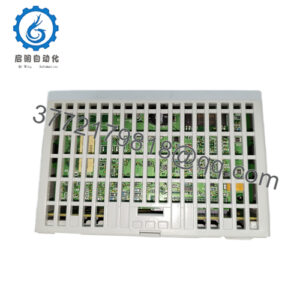
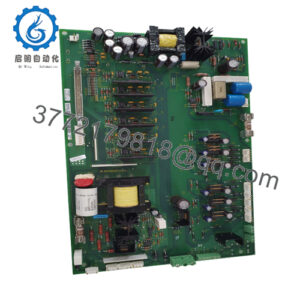
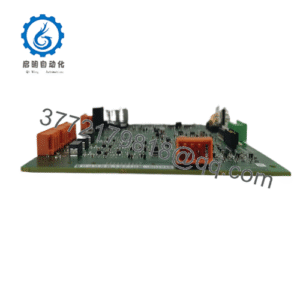
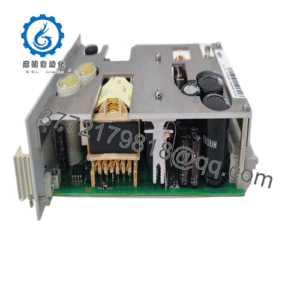
The API 4380G by Absolute Process Instruments is a versatile, field-programmable signal conditioner engineered to isolate, convert, and amplify industrial DC signals. Featuring rotary switches and dip selector controls, the API 4380G allows instrumentation technicians to reconfigure input and output ranges on-site without recalibration equipment, making it an indispensable universal isolator for PLC and DCS analog loops.
Carrying New Surplus inventory of the API 4380G offers plant operations high flexibility for emergency replacements. Choosing Original New Surplus avoids the severe risks of worn internal optocouplers and drift prone potentiometers found in second-hand units. This procurement approach protects against signal ground loops, reduces Total Cost of Ownership (TCO), and prevents costly process interruptions.
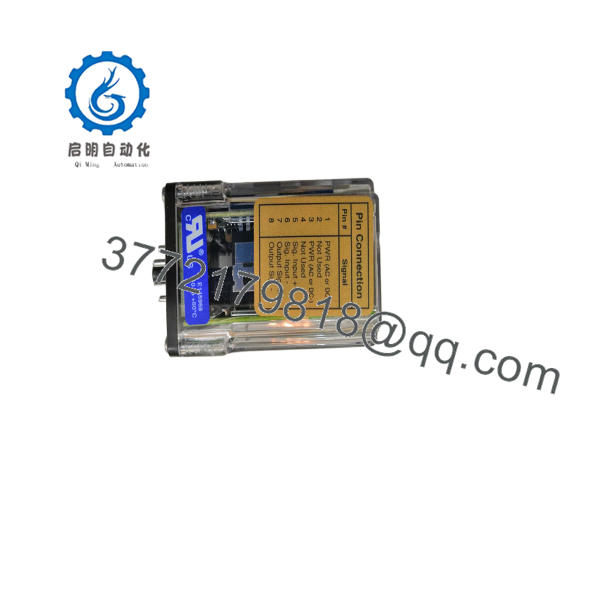
4380G
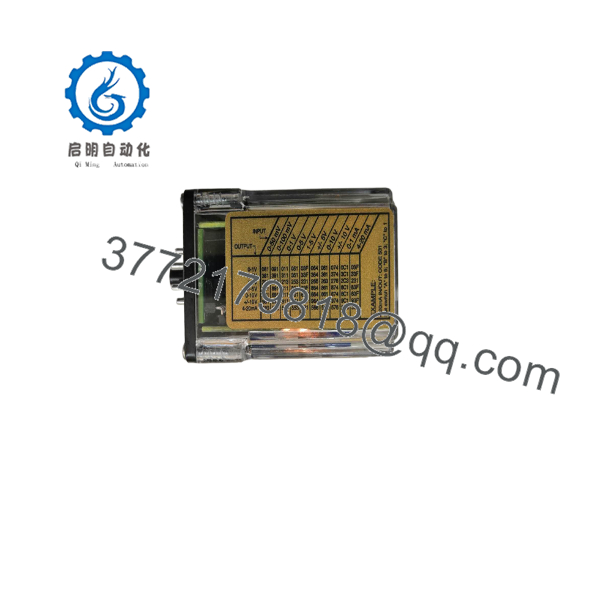
4380G
Installation & Configuration Guide
Stage 1: Pre-Installation (Prep & Safety)
- Disconnect all supply power to the 11-pin socket and apply Lock-Out/Tag-Out (LOTO) procedures.
- Put on a grounded ESD wrist strap prior to configuring selector switches.
- Consult the side label table on the API 4380G module to select the rotary switch positions for your desired input and output signal ranges.
- Check the 11-pin base wiring for proper power, signal input polarity, and output loop resistance.
Stage 2: Removal
- Unlatch the retaining spring clip on the 11-pin socket if installed.
- Pull the module straight up out of the octal socket to avoid bending connector pins.
- Clear any dust or debris from the socket receptacle using clean, dry compressed air.
Stage 3: Installation (Clone & Seat)
- Set the rotary switches (A, B, C) and slide switches on the new API 4380G to mirror the required input/output signal settings.
- Align the central keying post of the 11-pin plug with the socket keyway.
- Press the module firmly into the base until fully seated, and secure the retaining clip.
Stage 4: Power-On & Testing
- Re-apply line power to the socket terminals.
- Measure the input signal across terminals 5 and 6 and verify corresponding conditioned output across terminals 7 and 8.
- Fine-tune the front-panel Zero and Span potentiometers if line loss compensation is required.
Firmware/Software Versions & Upgrade Notes
- Hardware Architecture: The API 4380G is an analog-digital hybrid signal conditioner configured purely via physical rotary switches and potentiometers; no software drivers or firmware updates are required.
- Socket Compatibility: Fits standard DIN-rail or panel-mount 11-pin octal sockets (such as the API API011 or API0113D). Ensure socket screw terminals are torqued properly to avoid high-resistance signal drift.
- Loop Power Considerations: When configured for 4–20 mA output, determine whether your receiving device provides loop power or requires the API 4380G to source active current.
- Hot-Plugging Warning: Always isolate field signal loops before inserting or removing the module from its base to prevent transient voltage spikes on connected PLC input cards.
Frequently Asked Questions (FAQ)
Is this API 4380G module brand new or refurbished?
This product is a Brand New Surplus unit. It is not used, not pulled from a decommissioned plant, and not refurbished. All modules undergo rigorous quality verification to ensure OEM-level reliability.
Why should I choose a New Surplus API 4380G over a cheaper refurbished signal isolator?
Refurbished signal conditioners often suffer from degraded isolation barriers, dried-out power supply capacitors, and noisy potentiometers. A failure in an analog isolator can pass destructive ground loops directly to high-cost PLC analog input cards, causing systemic control failures.
Can I configure the API 4380G in the field without specialized calibration tools?
Yes. The API 4380G features built-in rotary and slide switches with a lookup table printed directly on the side enclosure, allowing instant range selection for common voltage and current ranges without requiring external test equipment.
What is the difference between the API 4380G and API 4380G G4?
The standard API 4380G operates on 100–240 VAC power, while specific sub-models or custom options (like Option D or G4 variants) may feature enhanced surge suppression or 9–30 VDC operating power. Always verify the input power rating printed on the label.
What warranty and quality verification backs this New Surplus module?
Every API 4380G unit undergoes physical pin inspection, range selection verification, and functional signal bench testing prior to shipment. We back our New Surplus stock with a full 1-year replacement warranty.