 WhatsApp: +86 16626708626
 Email:
  Phone: +86 16626708626
Description
Key Technical Specifications
- Part Number: 190501-04-00-04
- Product Name: Velomitor CT Velocity Transducer
- Brand: Bently Nevada
- Measurement Type: Velocity (vibration)
- Measurement Range: 0–5 m/s (0–16.4 ft/s)
- Output Signal: 4–20 mA (two-wire, loop-powered)
- Power Supply: 12–24 VDC
- Accuracy: ±1% Full Scale
- Frequency Response: 0 Hz to 2000 Hz (±5%)
- Dynamic Range: Up to 5 m/s (16.4 ft/s)
- Operating Temperature: -40°C to +85°C (-40°F to +185°F)
- Storage Temperature: -40°C to +100°C (-40°F to +212°F)
- Case Material: 316L stainless steel
- Connector: 2-pin 316L stainless steel MIL-C-5015 (top-mounted)
- Mounting: M6×1 stud with 3/8-in 24 adapter
- Mounting Torque: 4.5 N·m ±0.6 N·m (40 in-lbf ±5 in-lbf)
- Mounting Surface Diameter: 33 mm (1.3 in)
- Weight: 0.297 kg (297 g)
- Height: 8.2 cm (3.2 in)
- Agency Approvals: Multiple global certifications (ATEX/IECEx/UL)
- Country of Origin: United States
Product Introduction
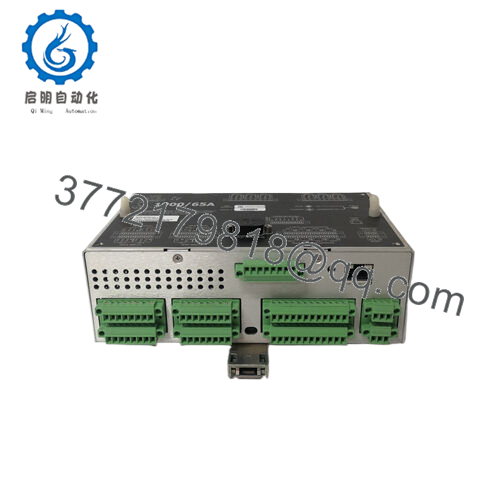
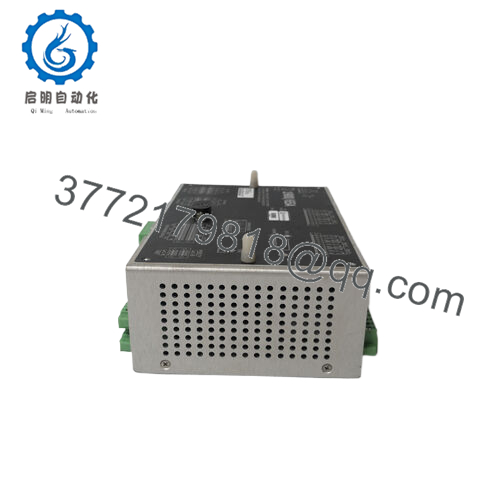
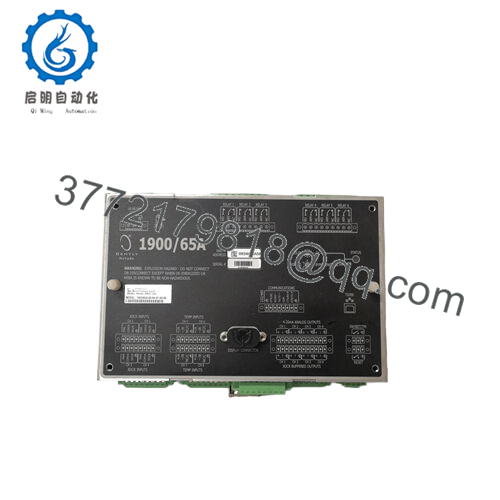
Bently Nevada 190501-04-00-04 is a Velomitor CT Velocity Transducer for industrial vibration and velocity monitoring. It is a two-wire, loop-powered sensor that outputs 4–20 mA proportional to vibration velocity over a 0–5 m/s range with a 0–2000 Hz frequency response.
The transducer is built with a 316L stainless steel case, M6×1 stud mounting, and a top-mounted MIL-C-5015 connector, making it suitable for harsh environments on turbines, compressors, pumps, and motors. Its ±1% full-scale accuracy and global safety approvals (ATEX/IECEx/UL) support reliable machinery health monitoring in demanding industrial applications.
- 190501-04-00-04
Troubleshooting Quick Reference
| Symptom | Possible Cause | Relevance to this Part | Quick Check Method | Recommendation |
|---|---|---|---|---|
| Loop current stuck at 4 mA (no vibration) | No vibration, sensor not mounted, or wiring fault | ✅ High | Verify machine is running and check for mechanical vibration; measure loop current at PLC/input card | Re-mount sensor or check wiring before replacing |
| Loop current above 20 mA or open-loop fault | Sensor damaged, loop voltage too low, or power loss | ✅ High | Measure supply voltage (12–24 VDC) at sensor terminals; check loop resistance | Restore proper power or replace sensor if damaged |
| Unstable or noisy 4–20 mA signal | Loose wiring, poor shield grounding, or EMI | ✅ Medium | Inspect terminations and verify shield grounded at one end only; check for nearby EMI sources | Fix wiring/shielding and re-test loop signal |
| Output does not match expected vibration level | Wrong mounting torque, loose stud, or sensor misalignment | ✅ High | Verify mounting torque (4.5 N·m ±0.6 N·m) and check for loose stud or poor contact | Re-mount with correct torque before replacing |
| No signal at PLC/input card | Broken wire, faulty input card, or loop power issue | ❌ Low | Measure loop current directly at the sensor terminals; check input card channel with a known-good source | Replace wiring or input card if sensor tests clean |
| Sensor case corroded or connector damaged | Harsh environment or physical damage | ❌ Low | Inspect case and connector for corrosion or cracks | Replace sensor if physical damage is evident |
Contact technical support with photos of the sensor label, mounting, wiring, loop current readings, and any diagnostic logs if the fault is still unclear.
Frequently Asked Questions
Can I use 190501-04-00-04 as a direct replacement for an older Velomitor CT transducer?
Yes. The 190501 series is the standard Velomitor CT Velocity Transducer line. The -04-00-04 suffix adds M6×1 stud mounting with a 3/8-in 24 adapter, MIL-C-5015 connector, and multiple agency approvals.
Is this transducer hot-swappable?
This is a two-wire loop-powered sensor, not a rack module. You can disconnect and reconnect it without removing a rack card, but you should consider plant safety and whether the loop input is live. Follow your site’s electrical safety procedure when handling live loops.
What output signal does this transducer provide?
It outputs 4–20 mA (two-wire, loop-powered), proportional to vibration velocity from 0 to 5 m/s. This signal is compatible with standard PLC analog input cards and vibration monitoring systems.
Why is surplus stock cheaper than factory new?
Surplus parts often come from excess inventory, decommissioned systems, or channel stock. The price is lower, but you still need a clear test record and condition statement (New Original, New Surplus, or Refurbished tested).
What condition should I expect on a surplus unit?
For a credible sale listing, state whether it is New Original, New Surplus, or Refurbished (tested). Buyers in this market want the truth up front, not a vague “used” label.
Does this part fail often?
Not usually. More often, mounting issues (loose stud, wrong torque), wiring faults, poor shield grounding, or input card problems cause the fault. Always verify mounting, wiring, and loop power before replacing the transducer.
What certifications does this transducer have?
The -04 suffix includes multiple global approvals, typically ATEX Zone 0/1, IECEx, and UL, making it suitable for hazardous areas in oil/gas, chemical, and power generation applications.