 WhatsApp: +86 16626708626
 Email:
  Phone: +86 16626708626
Description
Key Technical Specifications
- Manufacturer: Bently Nevada
- Model: 60M100
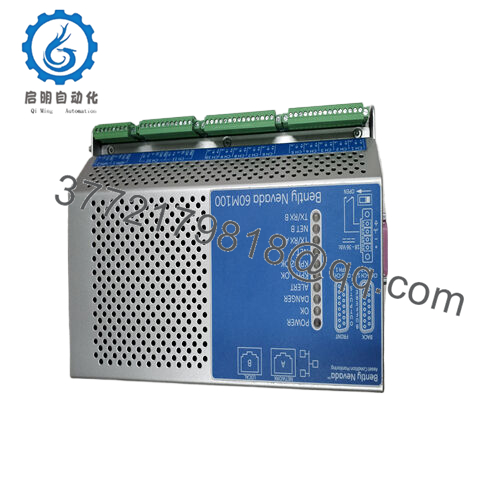
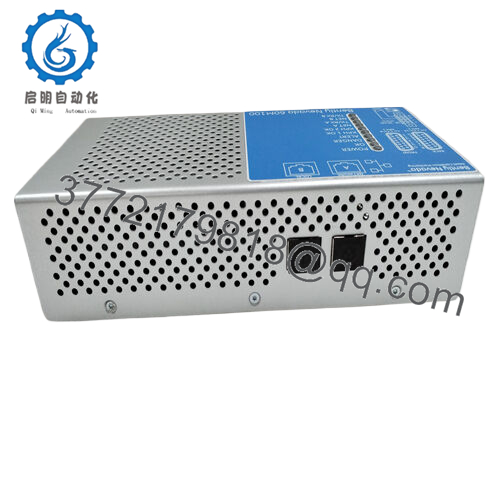
- Product type: Condition monitoring system / monitor
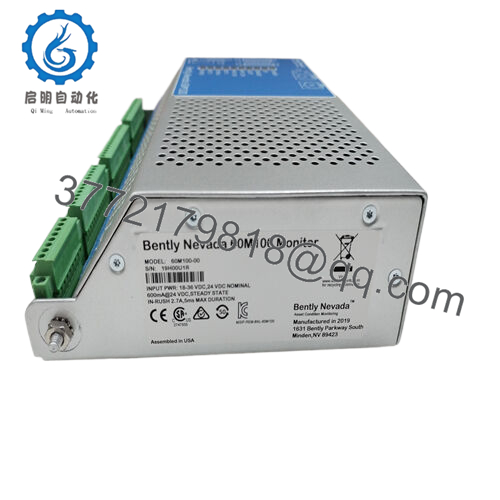
- Input power: 18-36 VDC
- Maximum current: 1.7 A
- Inrush current: 2.7 A max, <5 ms
- Dynamic inputs: Up to 12 dynamic signals
- Keyphasor inputs: 2
- A/D conversion: 24-bit sigma-delta
- Bandwidth: 0 to 40 kHz
- Communication: Dual Ethernet ports
- Application: Continuous monitoring of wind turbine generator machine trains
Product Introduction
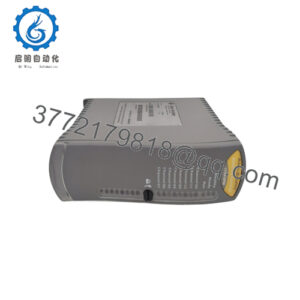
The Bently Nevada 60M100 is a condition monitoring system for wind turbine generator trains. It is used for continuous machine monitoring, with support for dynamic inputs, Keyphasor signals, waveform capture, and trend data.
This unit is chosen where early fault detection matters and the asset cannot tolerate surprise downtime. The 24-bit signal chain, dual Ethernet communication, and support for multiple machine variables make it a practical fit for permanent online monitoring.
Troubleshooting Quick Reference
| Symptom | Possible Cause | Relevance to This Part | Quick Check Method | Recommendation |
|---|---|---|---|---|
| No power-up response | Missing DC input or blown supply fuse | ✅ High | Measure 18-36 VDC at the power terminals and check current draw | Verify supply and fusing before replacing the monitor |
| One or more channels flatline | Sensor wiring fault or bad input configuration | ✅ High | Check sensor continuity, input setup, and channel status in software | Confirm wiring and configuration before condemning hardware |
| Missing Keyphasor reference | Speed sensor issue or wiring problem | ✅ High | Verify Keyphasor signal at the terminals and inspect the pickup gap | Check the tach/source first |
| Ethernet link but no data | Network setup issue or IP conflict | ✅ Medium | Ping each port, confirm static/DHCP settings, and inspect link LEDs | Fix network configuration before replacing the unit |
| False alarms or noisy waveform | Grounding, shielding, or sensor installation error | ✅ High | Inspect shield termination, grounding, and probe mounting | Rework installation before assuming a module fault |
| Module runs hot | Poor airflow or overloaded power input | ✅ Medium | Check ambient temperature, cabinet ventilation, and supply current | Improve cooling and verify input load margin |
If you get stuck, contact technical support with photos of the nameplate, wiring, alarm list, and channel diagnostics.

- 60M100
Frequently Asked Questions (FAQ)
Q: What is the 60M100 used for?
A: It is a wind turbine condition monitoring system for continuous machine-train monitoring. It tracks vibration and related variables so maintenance teams can catch problems earlier.
Q: Is this a PLC or a vibration monitor?
A: It is a condition monitor, not a standard PLC. You would use it for asset health monitoring, not process logic control.
Q: What power does it need?
A: The listed input range is 18-36 VDC. I would still verify the cabinet supply under load, because weak field power can make the unit look faulty when it is not.
Q: How many signals can it handle?
A: The available data indicates up to 12 dynamic inputs and 2 Keyphasor inputs. That is enough for a lot of rotating equipment setups, but the exact channel plan still needs to match the machine.
Q: Can I integrate it with Ethernet systems?
A: Yes, it has dual Ethernet ports. Just do not assume the network settings are plug-and-play; check IP mode and plant-side addressing before install.
Q: Is it a direct replacement if my old unit says 60M100-00?
A: Usually the suffix matters, so compare the full part number and any approval options. On legacy monitoring systems, one suffix difference can mean different wiring or firmware behavior.
Q: Why is this usually sold as surplus?
A: Because this kind of industrial monitor often comes from project leftovers, service stock, or retired assets. Surplus pricing is normal, but condition and test history must be clear.