WhatsApp: +86 16626708626
 Email:
  Phone: +86 16626708626
Description
Key Technical Specifications
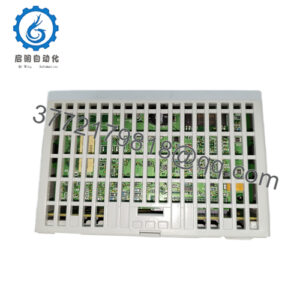
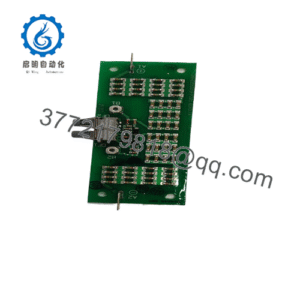
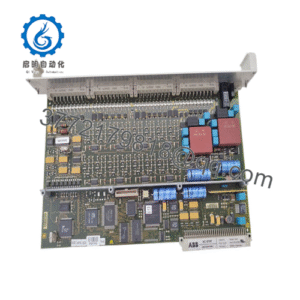
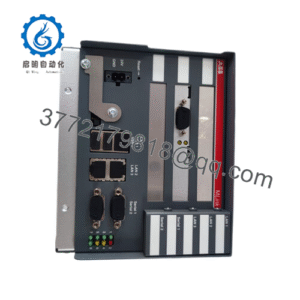
- Manufacturer: DEIF A/S
- Model: FAS-113AD
- Product family: FAS-113 automatic synchronizing equipment
- Primary application: Synchronization of an incoming generator with a busbar before generator circuit breaker closure
- Synchronization variables: Voltage difference, frequency/slip-frequency difference, and phase-angle difference
- Control purpose: Issues synchronizing and breaker-closing commands only when configured limits are met
- Generator control interface: Typically used with external speed/frequency and voltage-regulation control circuits; verify terminal diagram for the exact FAS-113AD variant
- Status indication: Front-panel LED status indication is typical for the FAS-113 family; verify the installed variant’s faceplate and manual
- Mounting: 35 mm DIN rail or base/panel mounting, depending on the specific housing arrangement
- Electrical protection: DEIF installation guidance for comparable FAS-113 units specifies protection of voltage inputs with a 2 A fuse; confirm against the FAS-113AD wiring document before energizing
- System use: Generator switchboards, emergency-generator panels, marine power systems, industrial standby-generator controls, and paralleling systems
- Replacement requirement: Match the complete ordering code, auxiliary/control supply, nominal sensing voltage, frequency, output-contact arrangement, and configured synchronization settings
DEIF describes the comparable FAS-113DG family as automatic synchronizing equipment that checks voltage, slip frequency, and phase angle before closing a generator breaker, with voltage regulation and breaker-time compensation functions. The FAS-113AD should be treated as a variant-specific legacy synchronizer: confirm its faceplate data and original DEIF documentation before treating it as interchangeable with an FAS-113DG.
Product Introduction
The DEIF FAS-113AD is a legacy automatic generator synchronizer used to parallel an incoming generator with a live busbar. In generator-control and marine switchboard applications, it monitors the conditions required for safe breaker closure rather than allowing an out-of-phase generator to connect to the system.
Buyers use FAS-113-series modules when maintaining installed DEIF generator-control panels where mechanical fit, terminal assignments, configured limits, and existing control wiring matter more than a generic replacement. Verify the full FAS-113AD ordering variant before installation; an FAS-113DG is a related product family, not an automatic drop-in substitute.
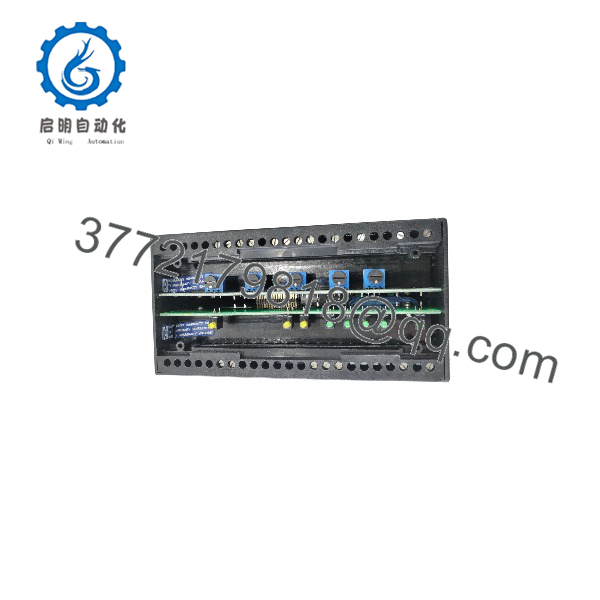
FAS-113AD
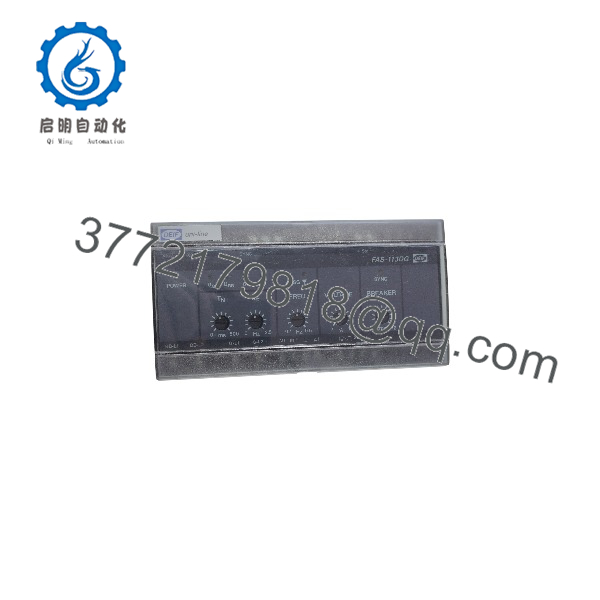
FAS-113AD
Troubleshooting Quick Reference
| Symptom | Possible Cause | Relevance to This Part | Quick Check Method | Recommendation |
|---|---|---|---|---|
| No LEDs or display activity on power-up | Missing auxiliary/control supply, blown fuse, loose common connection, failed synchronizer | ✅ High | Isolate the panel safely; measure the specified auxiliary supply at the power terminals with a Fluke 115 or equivalent. Check the upstream fuse and terminal tightness. | Correct supply or fuse faults before replacing the module. Do not assume the synchronizer failed because it is dark. |
| Synchronizer powers up but never enables closing | Generator voltage, busbar voltage, frequency, or phase angle remains outside the acceptance window | ⚠️ Medium | Measure generator and busbar voltage independently. Compare generator frequency and busbar frequency with calibrated instruments. Confirm the synchroscope or phase indication moves toward in-phase. | Check governor and AVR response first. The module may be correctly blocking closure. |
| Generator frequency does not converge to busbar | Governor actuator circuit, speed-bias output wiring, reverse-acting control loop, or configuration mismatch | ❌ Low to Medium | Confirm the governor control signal changes while the module calls for raise/lower action. Verify polarity and terminal assignment against the original drawing. | Troubleshoot the governor, actuator, and interposing relays before condemning the . |
| Generator voltage does not converge to busbar | AVR fault, incorrect voltage sensing, loose potential-transformer fuse, voltage-bias wiring fault | ❌ Low to Medium | Check generator and busbar sensing voltages at the input terminals. Check PT fuses and measure the AVR command circuit. | Repair sensing or AVR problems first. A healthy synchronizer cannot correct a dead sensing input. |
| Synchronizing indication is active but breaker does not close | Breaker close coil fault, permissive/interlock open, external close relay failed, trip circuit active | ❌ Low | Monitor the close-command output at the terminal block. Then measure voltage at the breaker close coil during the command. | If the module output changes but the close coil does not energize, trace the external relay, interlocks, and breaker circuit. |
| Breaker closes late or off-angle | Breaker closing-time compensation incorrect, mechanical breaker delay changed, incorrect frequency settings | ⚠️ Medium | Compare the synchronization command timestamp to actual auxiliary-contact closure using a test setup or event recorder. Check breaker service history. | Verify breaker closing time and revalidate compensation settings. Do not adjust settings on a live plant without an approved test procedure. |
| Erratic synchronization or intermittent lockout | Dirty sensing terminals, weak PT circuit, electrical noise, poor common reference, deteriorated module | ⚠️ Medium | De-energize safely, torque-check terminals, inspect for heat discoloration, and scope or log voltage/frequency inputs if equipment is available. | Eliminate external sensing faults first; replace the module only after stable inputs still produce incorrect behavior. |
| Immediate failure after replacement | Incorrect supply voltage, wrong variant, unmatched terminal wiring, ESD damage, improper DIP/jumper settings | ✅ High | Compare old and replacement faceplates, full ordering codes, terminal drawings, jumper positions, and supply ratings before energizing. | Stop and verify compatibility. Do not wire from memory or assume another FAS-113 version has the same pinout. |
Field note: Most “failed synchronizer” calls turn out to be sensing-fuse, governor, AVR, breaker-coil, or permissive-chain faults. Before removing the existing , photograph every terminal, jumper, switch position, and front-panel setting. If you are stuck, send technical support clear photos of the faceplate, wiring terminals, LED condition, generator/busbar readings, and any event or diagnostic logs.
Frequently Asked Questions
Is the DEIF a direct replacement for FAS-113DG?
Not automatically. Both belong to the FAS-113 synchronizing family, but DEIF identifies the FAS-113DG as a specific automatic synchronizing and circuit-breaker-closing product with voltage regulation and breaker-time compensation. The “AD” suffix can indicate a different variant, supply arrangement, I/O configuration, or ordering option. Match the complete type code, supply voltage, sensing inputs, terminal layout, output contacts, and original panel schematic before ordering.
Can I hot-swap the ?
No. Treat it as a non-hot-swappable generator-control device. Removing or inserting the unit with control power present can create false synchronization signals, interrupt permissive circuits, damage terminals, or expose personnel to live switchboard voltages. Isolate the control supply, secure the generator breaker, verify absence of hazardous voltage where required by site procedure, and follow the applicable lockout/tagout process.
Will I lose settings when replacing the module?
Possibly. Legacy synchronizers can use physical potentiometers, DIP switches, jumpers, or variant-specific internal settings rather than transferable software configuration. Before pulling the old unit, photograph every adjustment, label each connected conductor, record the exact model marking, and capture all existing synchronizing limits. It is the most common replacement mistake: the new module fits physically, but its frequency, voltage, phase-angle, or breaker-delay settings do not match the plant.
Why will the generator not close even though the appears powered?
A powered synchronizer is not the same as an enabled breaker-close path. It may be blocking closure because the voltage difference, slip frequency, or phase angle is outside the configured acceptance limits. The breaker close circuit can also be blocked by protection relays, a breaker-truck interlock, a lockout relay, a failed close coil, an open DC control fuse, or a remote/local selector in the wrong position. DEIF states that -family synchronizers close the breaker only when configured synchronization conditions are met.
What should I verify before buying a replacement?
Provide a clear photograph of the entire front label and terminal strip, not just “.” Confirm the following:
- Full DEIF ordering code and any variant number
- Auxiliary/control supply rating and frequency
- Generator and busbar sensing-voltage ratings
- Nominal system frequency: 50 Hz or 60 Hz
- Output relay/contact requirements
- Mounting style and terminal arrangement
- Existing governor and AVR raise/lower interface
- Required breaker closing-time compensation
- Condition needed: New Original/New Surplus or Refurbished and tested
This prevents a costly mismatch during a forced outage.
Is this unit New Surplus or Refurbished?
The condition must be stated on the individual quotation or product page. New Original / New Surplus means unused legacy inventory, normally with original labeling or packaging condition documented during inbound inspection. Refurbished (tested) means a previously installed unit that has been inspected and functionally checked. Do not accept a vague “used, good condition” description for a generator synchronizer.
For a tested unit, request the recorded supply-voltage test, generator/busbar sensing verification, relay-output check, synchronization simulation results, cosmetic photos, serial-label photo, and test report. Test videos and photos should be available upon request.
Why can a New Surplus cost less than a current factory replacement?
The is legacy inventory, so pricing usually reflects surplus sourcing, stock age, and limited warranty terms rather than current OEM list pricing. That does not make it inferior, but it does mean you must verify storage condition, label authenticity, exact variant, and compatibility. A lower purchase price is meaningless if the wrong supply voltage or terminal version adds two days of generator downtime.
What warranty should I expect?
Confirm the exact warranty duration in writing before purchase. For legacy control modules, the useful warranty statement names the model, condition, serial or batch identification when available, coverage period, return procedure, and whether the seller requires installation evidence or a diagnostic report. Warranty coverage does not replace pre-installation compatibility checks or safe commissioning procedures.