WhatsApp: +86 16626708626
 Email:
 Phone: +86 16626708626
Description
Key Technical Specifications
| Parameter | Specification / Value |
| Part Number | LSU-113DG |
| Manufacturer | DEIF |
| Measuring Voltage (U_n) | 100 VAC, 110 VAC, 220 VAC, 400 VAC, 440 VAC, or 480 VAC options |
| Measuring Current (I_n) | 0.3 to 5 A AC via external CTs |
| Frequency Bandwidth | 40 to 60 Hz / 45 to 65 Hz |
| Relay Contact Ratings | 250 VAC / 8 A / 2000 VA (AC), 24 VDC / 8 A / 200 W (DC) |
| Control Signal Outputs | Relay signals for speed increase/decrease (SG contacts) & PS analog lines |
| Reverse Power Setpoint (-P>) | Adjustable -5% or -10% of P_n with 5 s / 10 s trip delay |
| Low Power Tripping | Activated at \le 5\% of P_n for generator unloading |
| Mounting Configuration | 35 mm DIN rail or base panel mounting |
| Galvanic Isolation | 3250 V AC (50 Hz, 1 min) between power, sensing, and output rails |
Product Introduction & Supply Chain Strategy
The DEIF LSU-113DG is a load-sharing unit from DEIF’s Uni-line protection series, engineered for parallel generator control and power management. It incorporates an internal power transducer and reverse-power relay to balance active load across synchronized generators while protecting engine sets against motoring faults.
Sourcing the LSU-113DG as New Surplus mitigates the long operational downtime associated with legacy component lead times. For critical power systems, keeping a pristine New Surplus module on-site provides insurance against system outages, eliminating the premature failure risks typical of used or reconditioned controllers.
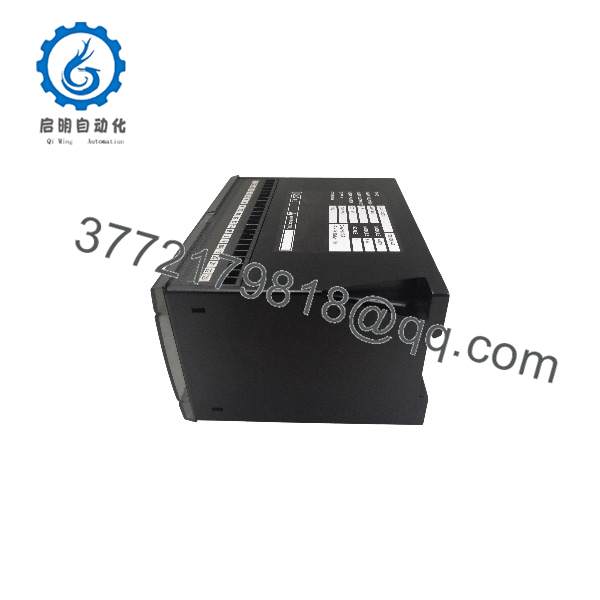
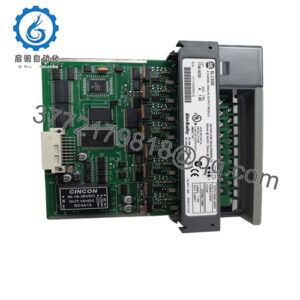
LSU-113DG
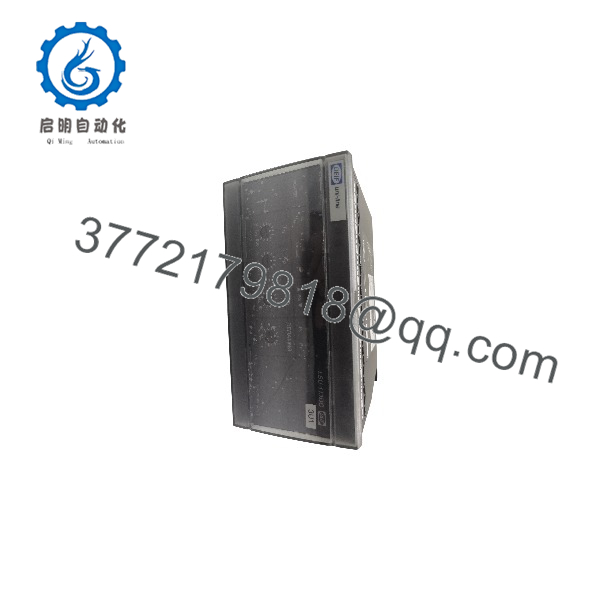
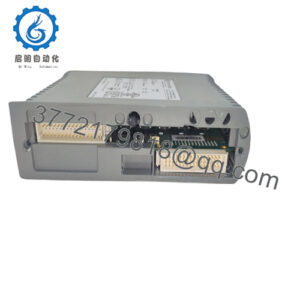
LSU-113DG
Installation & Configuration Guide
Stage 1: Pre-Installation (Prep & Safety)
- LOTO & Power Isolation: Implement full Lock-Out/Tag-Out protocols on generator control panels, auxiliary DC/AC supply, and generator main breaker trips.
- ESD Protection: Put on a grounded anti-static wrist strap before handling terminal block connections or adjusting potentiometer dials.
- Documentation: Take clear photographs of existing wire tags, terminal block numbering, front-panel DIP switch configurations, and potentiometer dial markings (T_n, X_p, -P> settings).
Stage 2: Removal
- Unplug or unscrew terminal blocks carefully. Short-circuit external CT secondaries prior to disconnecting current lines to prevent dangerous high-voltage inductive spikes.
- Release the bottom DIN-rail latch using a flathead screwdriver or unbolt the panel-mount base screws. Slide the LSU-113DG module straight out without applying lateral force to the housing.
Stage 3: Installation (Clone & Seat)
- Replicate all front-panel trimmer settings (T_n control pulse length, X_p proportional band, and reverse power delays) on the replacement LSU-113DG.
- Clip the LSU-113DG onto the 35 mm DIN rail until the spring lock engages, or fasten it to the backplate with mounting screws.
- Wire terminal points to the marked harnesses according to the DEIF Uni-line wiring diagram, ensuring current transformer polarities (S1/S2) match precisely.
Stage 4: Power-On & Testing
- Measure input line supply and sensing voltage terminals with a calibrated multimeter to confirm correct voltage rating before applying power.
- Energize auxiliary power. Verify the status LEDs light up correctly without displaying fault conditions.
- Run the generator set, test the speed governor pulse response (relays 43–46), and verify equal kW load distribution across paralleled busbars during dynamic load steps.
Firmware/Software Versions & Upgrade Notes
- Hardware Compatibility: The DEIF LSU-113DG is an analog/discrete control unit within the Uni-line relay family, allowing direct drop-in replacement without software flashing or PLC software configuration.
- Variant & Range Matching: Ensure the nominal measuring voltage (U_n) and current (I_n) match your existing unit variant (e.g., 110 VAC vs. 220 VAC or 400 VAC models). Connecting a 110 V module to a 400 V sensing circuit will cause immediate internal transformer destruction.
- Setting Risk Warning: Adjusting X_p (proportional band) or T_n (pulse time) trimmers while the unit is online can induce frequency oscillation or engine hunting between parallel generator sets. Perform all control trimming during scheduled commissioning tests.
Frequently Asked Questions (FAQ)
Is this DEIF LSU-113DG unit brand new, or has it been pulled from a used vessel/genset panel?
This item is strictly New Surplus / Original New stock. It has never been deployed in an active panel, pulled from a decommissioned vessel, or refurbished. It remains in uninstalled, original condition with factory terminal connections and zero thermal aging.
Why does a New Surplus unit carry a price advantage over OEM factory orders?
New Surplus modules come from surplus project inventory, vessel retrofits, or plant spares reserves. Sourcing through global industrial supply channels provides access to genuine OEM equipment below OEM list pricing without sacrificing product integrity.
What are the operational risks of installing a refurbished or repaired LSU-113DG?
Used or refurbished generator protection relays often contain degraded internal measurement transformers, worn potentiometer wiper contacts, or heat-stressed output relays. A faulty load-sharing module can trigger reverse power trips or unbalanced kW distribution, potentially causing total generator trip events and high downtime costs.
Can I hot-swap the DEIF LSU-113DG while the generator set is under load?
No. You must de-energize the measuring circuits and auxiliary power before replacing the unit. Opening live CT circuits causes dangerous high-voltage arcing that damages equipment and poses severe electrical hazards to personnel.
What warranty coverage is included with this LSU-113DG module?
This New Surplus LSU-113DG includes a full 1-year functional replacement warranty. Every unit passes physical inspection and basic electrical continuity testing prior to shipment to ensure immediate operational performance upon installation.