WhatsApp: +86 16626708626
 Email:
 Phone: +86 16626708626
Description
Key Technical Specifications
The specifications below describe the standard MTL838C Modbus RTU receiver, not the Ethernet-based MTL838C-MBT variant. Eaton documents the MTL838C as part of the MTL830C temperature multiplexer system.
| Parameter | Specification |
|---|---|
| Manufacturer | Eaton MTL / Crouse-Hinds |
| Model | MTL838C |
| System family | MTL830C |
| Device type | Temperature multiplexer receiver |
| Installation location | Safe area |
| Host communication | Modbus RTU |
| Serial interface | Dual RS-485 interfaces |
| Configuration interface | USB |
| Sensor capacity | Up to 32 inputs via one or two MTL831C transmitters |
| Supported sensor types | Thermocouples, millivolt inputs, and 2-, 3-, or 4-wire RTDs through the transmitter system |
| Serial baud rate | 300 to 19,200 baud |
| Serial framing | 1 stop bit; 8 data bits; odd, even, or no parity |
| Alarm outputs | Two alarm relay contact pairs |
| Multiplexer data highway | Single shielded twisted-pair cable connecting the receiver, interface, and transmitters |
| Maximum receiver count | Up to 31 MTL838C units per Modbus master, subject to system configuration |
| Documentation | Eaton MTL838C Receiver Instruction Manual |
Sources:
Compatibility note: The MTL838C receiver communicates with the host over Modbus RTU. The MTL838C-MBT uses Modbus TCP over Ethernet. They are different interface variants and should not be treated as direct, plug-compatible replacements without checking the host interface and system configuration.
Product Introduction
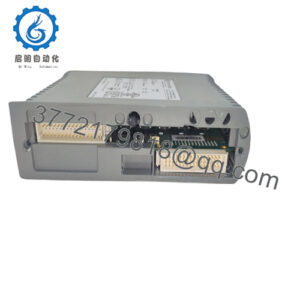
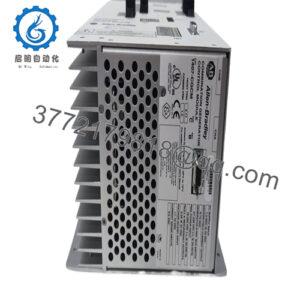
The Eaton is a Modbus RTU receiver for the MTL830C temperature multiplexer system. It collects measurement data from one or two MTL831C analog transmitters, supporting up to 32 sensor inputs, and makes that data available to PLC, DCS, or PC-based control systems through RS-485 serial communications. The receiver is installed in a safe area while compatible transmitters can serve sensors in hazardous locations.
The main engineering benefit is reduced field wiring. Multiple temperature and millivolt measurements travel over a shared data highway rather than requiring an individual signal pair for every measurement at the host. Before replacing an installed receiver, verify the transmitter generation, Modbus register mapping, serial settings, and alarm configuration.
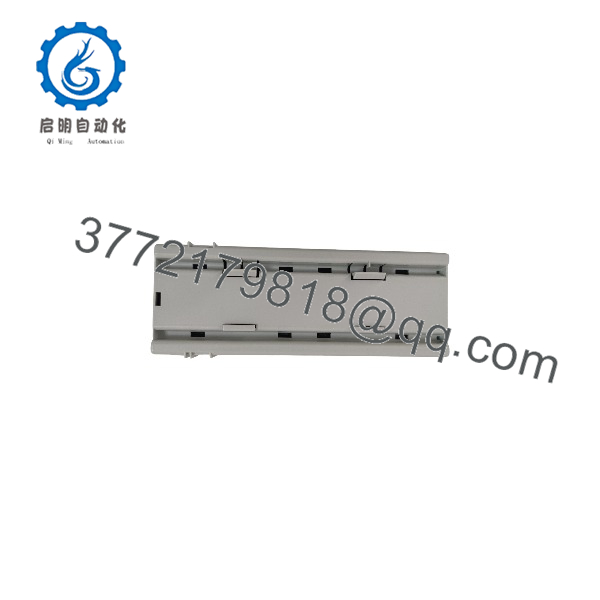
MTL838C
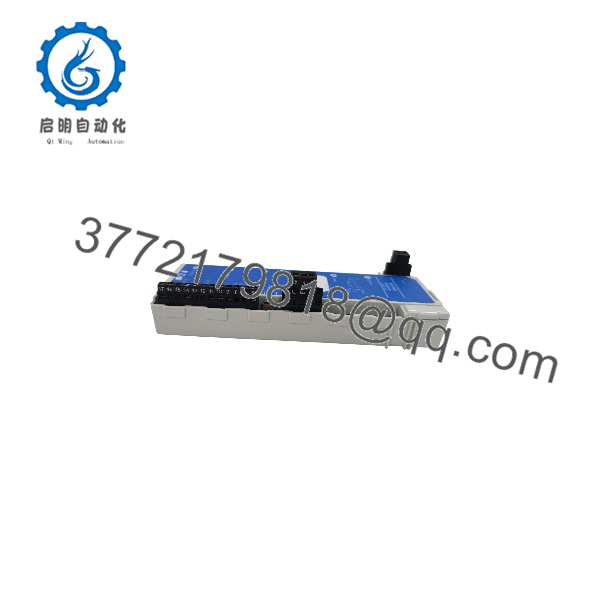
MTL838C
Installation & Configuration Guide
The MTL838C connects the MTL830C field measurement system to a host controller. Replacement requires attention to the data highway, RS-485 communications, configuration retention, and Modbus register mapping. Use the Eaton instruction manual for terminal assignments and approved wiring details.
Stage 1: Pre-Installation Preparation
Estimated time: 10–15 minutes
- Confirm the system architecture. Identify the installed receiver, associated MTL831C transmitters, and any MTL5553 isolator/power supply units.
- Notify operations and place the affected measurement loops in an approved maintenance state.
- Isolate the relevant power sources and follow site lockout/tagout procedures. Verify the safe condition before handling wiring.
- Record the Modbus slave address, baud rate, parity, host communication settings, alarm assignments, and existing fault indications.
- Back up the receiver configuration using the approved MTL830C configuration software or documented configuration procedure.
- Photograph the power, data highway, RS-485, alarm, and USB connections before disconnecting anything.
Stage 2: Removing the Existing Receiver
Estimated time: 10–15 minutes
- Confirm the receiver’s exact model and record any hardware or revision identifiers.
- Label and disconnect the communication, power, data highway, and alarm wiring according to the installed configuration.
- Remove the receiver from its mounting arrangement using the manufacturer’s prescribed procedure.
- Inspect the terminals, conductors, mounting hardware, and enclosure for corrosion, looseness, or mechanical damage.
- Keep the old receiver and its configuration records available until the replacement has been commissioned successfully.
⚠️ Do not assume the terminal layout of the MTL838C matches that of the MTL838C-MBT. Verify the model-specific connection diagram before reconnecting conductors.
Stage 3: Installing the Replacement
Estimated time: 10–15 minutes
- Confirm that the replacement is an MTL838C Modbus RTU receiver, not an MTL838C-MBT.
- Install the unit in the designated safe-area enclosure, following the specified mounting and environmental requirements.
- Reconnect the data highway, serial communication, power, and alarm circuits according to the official wiring diagram.
- Check RS-485 polarity, cable shielding, grounding, and termination against the existing system design and Eaton instructions.
- Restore the recorded Modbus settings and configuration using the documented procedure.
- Check each connection against the terminal schedule before restoring power.
Installation checklist
Stage 4: Power-On and Commissioning
Estimated time: 15–30 minutes, depending on system complexity
- Verify that the wiring and power supply meet the requirements in the applicable Eaton manual.
- Restore power following the approved site procedure.
- Check the receiver’s status indicators and investigate any reported fault.
- Connect to the host system and verify the Modbus slave address, baud rate, parity, and register mapping.
- Confirm communication with each configured MTL831C transmitter.
- Compare representative sensor readings against the host display. Check engineering units, channel assignments, and alarm states.
- Verify that all required measurement channels update correctly before returning the process to normal operation.
⚠️ If communications fail, check the serial configuration first. Incorrect slave addressing, baud rate, parity, RS-485 wiring, or register mapping can prevent the host from reading measurements even when the receiver powers up normally.
Do not change hazardous-area wiring or intrinsic-safety interfaces as a troubleshooting shortcut. Follow the approved system drawings and applicable hazardous-area procedures.
Frequently Asked Questions (FAQ)
Q1. What does the Eaton MTL838C do?
The MTL838C is the receiver for the MTL830C temperature multiplexer system. It gathers measurements from compatible MTL831C transmitters and communicates the data to a PLC, DCS, or PC through Modbus RTU over RS-485.
Q2. How many temperature sensors can one MTL838C support?
The receiver can collect data from up to 32 sensor inputs through one or two MTL831C transmitters. The supported sensor types include thermocouples, millivolt sources, and RTDs. The actual channel configuration depends on the transmitter setup and system design.
Q3. Can I replace the MTL838C with an MTL838C-MBT?
Not as an assumed direct replacement. The standard MTL838C uses Modbus RTU over RS-485, whereas the MTL838C-MBT provides Modbus TCP over Ethernet. The host interface, wiring, network configuration, and integration requirements must be reviewed before changing variants.
Q4. Will replacing the receiver erase the existing configuration?
Do not assume that configuration will transfer automatically. Record and back up the existing configuration before removal, then restore the settings using the approved Eaton procedure. Verify the channel assignments, serial settings, register mapping, and alarm configuration during commissioning.
Q5. Is the MTL838C suitable for hazardous-area installation?
The receiver itself is specified for installation in a safe area. Compatible MTL831C transmitters can be installed in hazardous areas when used within the approved MTL830C system configuration and with the required interface equipment. The receiver should not be installed in a hazardous area merely because it belongs to an intrinsically safe system.
Q6. Is the MTL838C obsolete, and can I buy a new unit?
The Eaton documentation confirms the model and its function, but it does not establish current stock availability or the lifecycle status of every hardware revision. Request confirmation from Eaton or an authorized supplier. For surplus stock, ask for actual inventory photographs, serial-number traceability where available, a written condition declaration, and warranty terms.
Q7. What should I verify before ordering an MTL838C?
Confirm the complete model number, required quantity, condition, lead time, and warranty. Technically, the most important checks are the Modbus RTU interface, compatibility with the installed MTL831C transmitters, data highway configuration, and host register mapping.