WhatsApp: +86 16626708626
 Email:
 Phone: +86 16626708626
Description
3. Key Technical Specifications
| Parameter | Value / Description |
|---|---|
| Model | LID43.03 |
| Manufacturer | EMG Automation GmbH |
| Sensing Principle | Inductive (eddy current) |
| Output Type | PNP Normally Open (N.O.) transistor |
| Operating Voltage | 10–30 V DC (ripple ≤ 10%) |
| Max. Switching Current | 200 mA |
| Sensing Distance (sn) | 4 mm (nominal) |
| Effective Sensing Distance | Approx. 3.2–3.6 mm (target dependent) |
| Target Material | Ferrous metals (steel, iron) |
| Switching Frequency | Up to 500 Hz |
| Hysteresis | ≤ 15% of sn |
| Protection Rating | IP67 |
| Housing | Stainless steel (AISI 316L) or nickel-plated brass |
| Connection | M12 connector or cable (version dependent) |
| Operating Temperature | –25°C to +70°C |
4. Product Introduction
The EMG LID43.03 is an inductive limit switch designed for reliable non-contact position detection in harsh industrial environments. It uses eddy-current sensing to detect the presence or absence of ferrous metal targets such as rollers, guides, actuators, or mechanical stops.
With a nominal sensing distance of 4 mm, PNP normally-open output, and IP67 protection, the LID43.03 is commonly applied in rolling mills, strip processing lines, steel plants, and other heavy machinery where dust, oil, moisture, and vibration are present. The robust stainless-steel or nickel-plated housing ensures long service life under continuous operation.
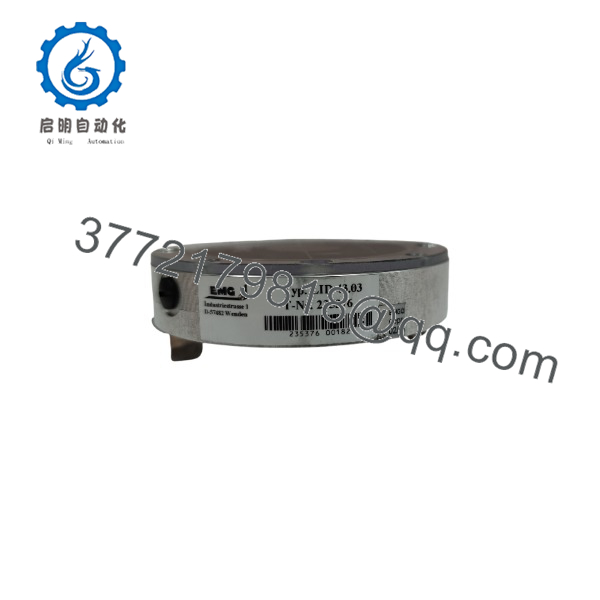
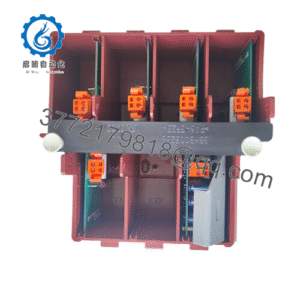
LID43.03
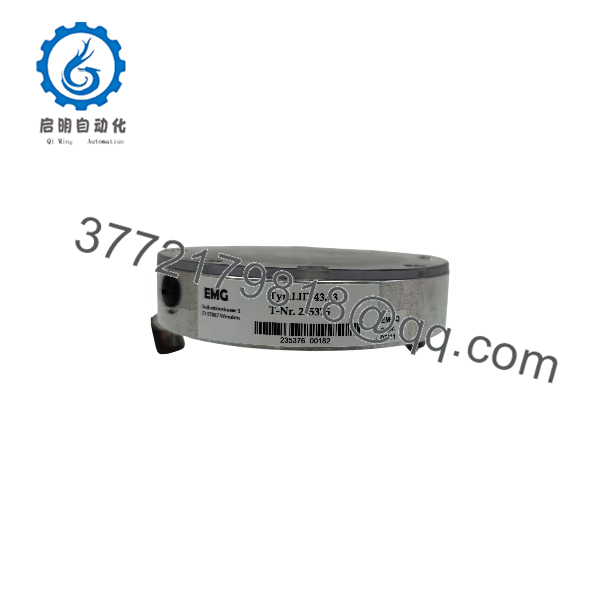
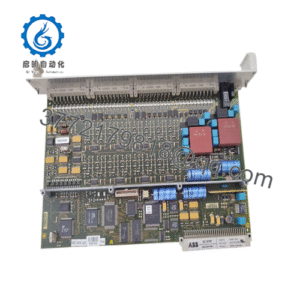
LID43.03
5. Troubleshooting Quick Reference
| Symptom | Possible Cause | Relevance to this Part | Quick Check Method | Recommendation |
|---|---|---|---|---|
| No switching signal | Target too far or non-ferrous | ✅ High | Verify target material and distance | Adjust mounting or replace with correct target |
| Intermittent switching | Loose mounting or vibration | ✅ High | Check mechanical fixation and cable | Secure sensor and strain-relieve cable |
| Output always on or always off | Wiring error or failed output stage | ✅ High | Measure output voltage with/without target | Verify wiring polarity; replace sensor if failed |
| Reduced sensing distance | Dirty face or target condition | ✅ Medium | Clean sensor face and target surface | Clean and retest |
| Sensor runs hot | Overcurrent or shorted load | ✅ Medium | Check load current against 200 mA max | Reduce load or add protection |
| No power indication | Supply voltage out of range | ❌ Low | Measure supply at sensor | Restore 10–30 V DC supply first |
Always power down before connecting or disconnecting. Ensure correct polarity on the PNP output.
6. Frequently Asked Questions (FAQ)
Q: What does the LID43.03 detect?
It detects ferrous metal targets (steel, iron) using inductive eddy-current sensing.
Q: What is the nominal sensing distance?
4 mm. Effective distance is typically 3.2–3.6 mm depending on target size, material, and supply voltage.
Q: What output type does it have?
PNP normally-open (N.O.) transistor output, suitable for standard PLC sink/source inputs (confirm polarity).
Q: Is it suitable for harsh environments?
Yes. IP67 protection and a robust metal housing make it suitable for rolling mills, steel plants, and similar applications with dust, oil, and vibration.
Q: Can I use a non-ferrous target?
No. Inductive sensors of this type require ferrous metal targets for reliable operation.
Q: What should I check before replacement?
Confirm sensing distance requirement, output type (PNP N.O.), connection style (M12 or cable), and mounting dimensions. Photograph the existing sensor and wiring for reference.
Mount the sensor securely with the correct air gap to the target, apply 10–30 V DC with correct polarity, and verify switching action with a ferrous test target. This ensures reliable position detection in continuous industrial service.