WhatsApp: +86 16626708626
 Email:
 Phone: +86 16626708626
Description
Key Technical Specifications
| Parameter | Value |
| Bus Interface | PCI Express x4 (2.5 GHz signaling) |
| Memory Capacity | 128 MB or 256 MB Synchronous DRAM |
| Data Transfer Rate | Up to 170 MB/s (64-byte packets) |
| Network Speed | 2.12 Gbaud serially |
| Maximum Nodes | Up to 256 nodes on a single network ring |
| Optical Media | Multimode (up to 300 m) or Singlemode (up to 10 km) |
| Interrupt Support | Single command node-to-node or broadcast interrupts |
| Operating Temperature | 0 to 55°C |
| Power Requirements | +3.3 VDC and +12 VDC bus power |
Product Introduction & Supply Chain Strategy
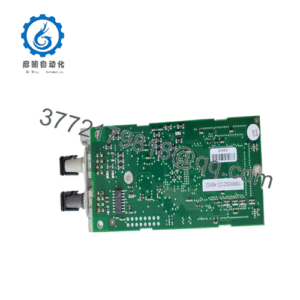
The Finisar PCIE-5565-PIORC is a low-profile PCI Express reflective memory node card engineered for real-time, deterministic data sharing across distributed computer systems. By mapping local memory updates instantly across a high-speed fiber-optic network without host processor overhead, it delivers ultra-low latency ideal for simulation, defense, aerospace, and heavy industrial automation applications.
Securing this mature component as a Brand New Surplus unit protects your enterprise against the high cost of unplanned system outages. Because this hardware platform is designated as mature/EOL through primary channels, keeping verified OEM surplus stock on-site eliminates the severe performance vulnerabilities, packet drop issues, and silent electrical degradation associated with unverified second-hand or repaired interface cards.
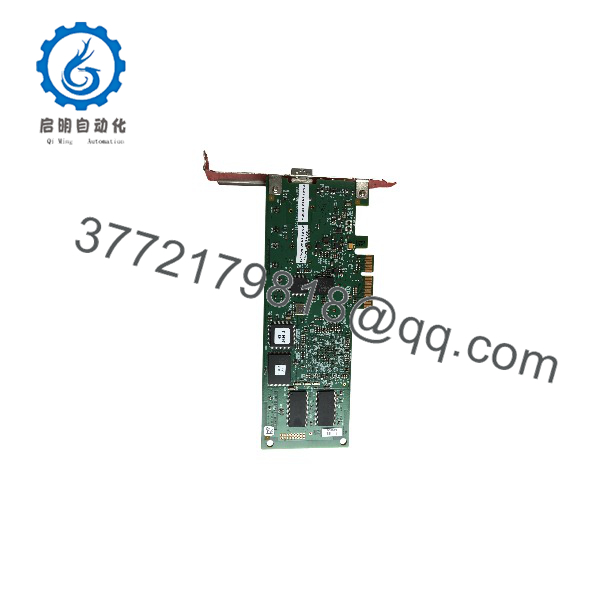
PCIE-5565-PIORC
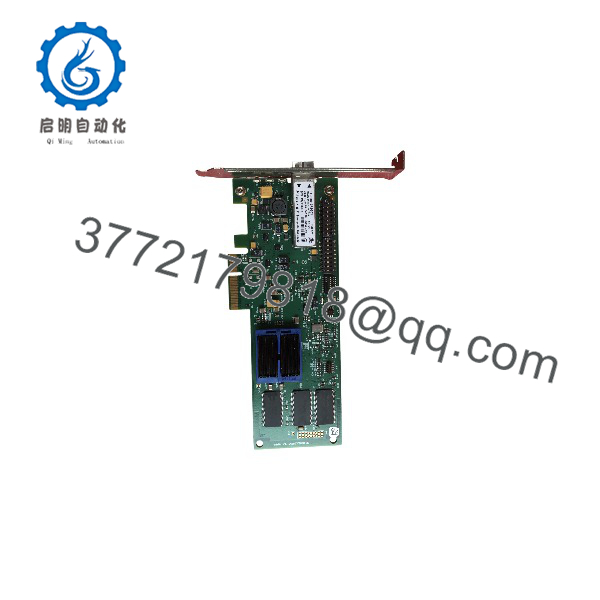
PCIE-5565-PIORC
Installation & Configuration Guide
Stage 1: Pre-Installation (Prep & Safety)
- Execute strict lock-out/tag-out (LOTO) protocols on the host industrial computer or real-time target chassis.
- Wear a grounded ESD wrist strap to protect sensitive high-speed optical transceivers and onboard memory chips from static damage.
- Record existing network node ID settings, rotary switch configurations, and optical fiber port pairings (RX/TX).
Stage 2: Removal
- Disconnect the optical LC or SC fiber-optic cables from the front panel transceiver, applying clean protective dust caps immediately.
- Unscrew the retention fastener securing the card bracket to the chassis.
- Extract the node card straight out along its slot axis to prevent bending backplane pins or stressing neighboring slots.
Stage 3: Installation (Clone & Seat)
- Set any hardware node ID switches or jumpers on the replacement card to precisely match the legacy unit.
- Align the PCIe edge connector with an available slot and apply firm, even pressure until fully seated.
- Secure the mounting bracket with the retention screw and reconnect optical cabling, verifying correct RX-to-TX cross-coupling.
Stage 4: Power-On & Testing
- Restore system power and verify that the host operating system recognizes the PCIe bus device without driver conflicts.
- Inspect the front panel LED indicators to confirm network ring synchronization and optical link continuity.
- Execute a baseline memory write/read diagnostic test across nodes to validate deterministic throughput before returning the node to active service.
Firmware/Software Versions & Upgrade Notes
- Recommended Driver: Use verified driver packages matching your real-time operating system (RTOS) environment, such as Linux, VxWorks, or Windows.
- Compatibility Warning: Firmware mismatches across nodes on the same reflective memory ring can cause packet framing errors or network segmentation faults. Ensure all connected nodes run compatible firmware revisions.
- Upgrade Risk: Flashing firmware or altering driver layers on a live production ring during an active run can corrupt shared memory blocks. Always execute updates during scheduled maintenance windows.
Frequently Asked Questions (FAQ)
Are these parts genuinely new, or are they refurbished?
This product is a Brand New Surplus unit. It has never been deployed in an operational network, never subjected to component repairs, and ships in original factory packaging.
Why is this priced lower than direct OEM list prices but higher than secondary-market refurbished units?
Our pricing reflects the capital cost of sourcing, authenticating, and preserving genuine, factory-sealed surplus inventory globally. While it carries a premium over risky second-hand hardware, it completely eliminates the threat of premature optical transceiver failure and network crashes.
What is the obsolescence status of this module?
The PCIE-5565-PIORC card has transitioned to mature status as core interface architectures evolve. Holding New Surplus buffer stock locally is an essential strategy to bypass long procurement lead times and avoid emergency line stoppages.
What are the risks of using a refurbished alternative instead?
Refurbished reflective memory cards often suffer from degraded laser diodes, thermal fatigue on BGA components, and micro-cracks in fine-pitch solder joints. An intermittent fiber link or dropped packet on a real-time ring can trigger catastrophic system faults or safety trips.
What warranty is provided with this unit?
Every New Surplus PCIE-5565-PIORC module is backed by our comprehensive 1-year replacement warranty, giving you long-term operational security equivalent to factory-direct equipment.