WhatsApp: +86 16626708626
 Email:
  Phone: +86 16626708626
Description
Key Technical Specifications
| Parameter | Value |
|---|---|
| Manufacturer | Fireye |
| Part Number | 48PT2-1007 |
| Series | 48PT2 |
| Product Type | Lead sulfide infrared flame scanner |
| Sensing Principle | Low-impedance detector for low-flicker infrared flame signals |
| Compatible Fuels | Gas and oil; some application references also include coal-fired burners |
| Operating Voltage | 7–15 V DC |
| Head Configuration | Straight head |
| Cable/Conduit Length | 4 ft |
| Cable Type | Shielded / tray-rated cable |
| Mounting Connection | 1/2 in NPT mounting collar |
| Operating Temperature | −40 to +140 °F / −40 to +60 °C |
| Compatible Controls | Fireye D-Series, Flame-Monitor, FlameWorx, MicroM, BurnerLogix, and E-Series systems |
| Replaceable Sensor Cell | Fireye 4-263-1 Firetron cell |
| Safety Construction Note | Meets UL 1569 crush and impact requirements |
The Fireye 48PT2-1007 is a straight-head, 4 ft lead sulfide IR flame scanner. Fireye specifies that the 48PT2 series detects low-flicker infrared signals from gas and oil flames, uses a low-impedance detector, has a 1/2 in NPT mounting collar, and accepts a replaceable 4-263-1 sensor cell. Fireye and distributor data list 7–15 V DC operation and a −40 to +140 °F operating range.
Product Introduction
The Fireye 48PT2-1007 is an infrared flame scanner used in burner-management and flame-safeguard systems to prove the presence of a stable flame. Its lead sulfide detector senses low-flicker IR radiation from gas and oil flames and sends the signal to a compatible Fireye burner control for safe startup, flame supervision, and fuel-shutoff decisions.
This exact model uses a straight scanner head, a 1/2 in NPT mounting collar, and a 4 ft shielded lead. It is used with Fireye BurnerLogix, E-Series, MicroM, D-Series, Flame-Monitor, and FlameWorx control systems. Match the scanner head style, cable length, control compatibility, sight-pipe location, and sensor-cell condition before replacement.
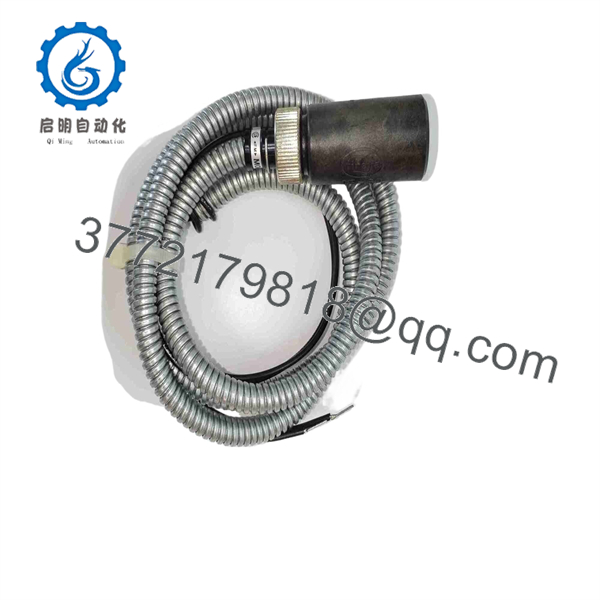
48PT2-1007
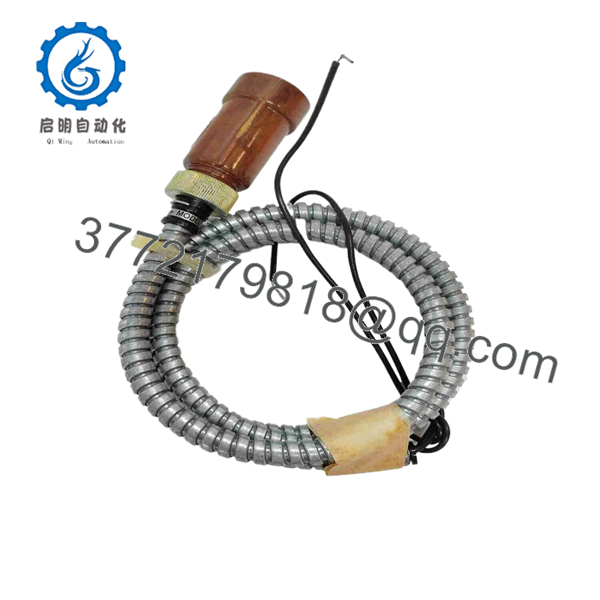
48PT2-1007
Troubleshooting Quick Reference
| Symptom | Possible Cause | Relevance to This Part | Quick Check Method | Recommendation |
|---|---|---|---|---|
| Burner will not complete pilot trial | No pilot flame, dirty sight pipe, scanner misalignment, failed sensor cell, burner-control fault | ✅ High | Confirm pilot flame visually through an approved observation point; inspect the scanner sight path and compare flame-signal value with the control manual | Verify actual flame and scanner aiming before replacing the scanner |
| Flame establishes but burner trips on flame failure | Weak IR signal, dirty lens/sight pipe, scanner too far from flame core, unstable flame, damaged cable | ✅ High | Read flame signal at the Fireye control during pilot and main-flame operation; inspect scanner aiming and sight-pipe contamination | Clean and re-aim using approved procedures. Replace the sensor cell or scanner only if the signal remains below the control requirement |
| Flame signal is intermittent | Loose wiring, vibration, moisture intrusion, dirty optics, changing flame pattern, poor shield termination | ✅ High | Wiggle-test wiring only with the burner safely off; inspect cable jacket, gland, connector points, and trend the flame signal during operation | Repair wiring and correct mounting vibration before replacing the scanner |
| Control indicates flame present with no flame | Scanner sees hot refractory, another burner flame, ignition spark, reflected IR, failed sensor circuit | ✅ High | Shut off fuel according to the approved procedure and verify flame signal drops to zero; inspect the scanner field of view | Correct the sight path. The scanner must view only the intended flame, not refractory or adjacent burners |
| No flame signal at all | Open cable, failed 4-263-1 cell, incorrect scanner connection, no scanner supply voltage, blocked sight pipe | ✅ High | Measure scanner supply at the control-side terminals; check continuity of the cable with power isolated; inspect for blocked sight path | Verify 7–15 V DC supply and wiring before replacing the scanner or cell |
| Flame signal drops when ignition is energized | Poor shielding, routing near ignition cable, ground loop, ignition transformer noise | ⚠️ Medium | Compare signal with ignition on versus off; inspect cable routing and shield termination per Fireye wiring requirements | Reroute scanner cable away from ignition leads and correct grounding before changing hardware |
| Scanner body overheats or cable insulation discolors | Excess radiant heat, inadequate cooling air, incorrect sight-pipe arrangement, furnace leak | ⚠️ Medium | Measure scanner-body temperature and compare it with the +140 °F / +60 °C limit; inspect sight-pipe and cooling arrangement | Correct mounting and cooling. Do not operate above the scanner temperature rating |
| New scanner gives lower signal than the old one | Incorrect aiming, dirty sight pipe, wrong head geometry, poor mounting depth, different sensor-cell condition | ✅ High | Install temporarily, then compare signal values with the previous configuration at stable firing conditions | Re-aim carefully. Do not judge scanner health from a single start attempt |
| Scanner replacement does not solve nuisance lockout | Control logic issue, flame relay problem, fuel instability, pressure switch fault, defective ignition sequence | ❌ Low | Review Fireye lockout code, sequence timing, fuel-pressure proof, and ignition performance | Do not replace a second scanner until the burner-control sequence and fuel train are proven |
❗ A flame scanner is part of a safety function. Never bypass, jumper, tape over, or artificially simulate the flame signal to keep a burner running. If the control indicates flame with the fuel shut off, stop troubleshooting and correct the scanner’s line of sight before returning the burner to service.
Before removing the 48PT2-1007, photograph the scanner orientation, sight-pipe depth, mounting angle, cable route, and terminal connections. Take a flame-signal reading during a stable firing condition if the controller provides one. That baseline saves time after installation.
If you remain stuck, provide technical support with the Fireye controller model, lockout code, flame-signal readings during pilot and main flame, photos of the scanner and sight pipe, and details of the burner fuel and firing arrangement.
Frequently Asked Questions
What is the Fireye 48PT2-1007?
The Fireye 48PT2-1007 is a lead sulfide infrared flame scanner with a straight head and 4 ft shielded cable. It detects low-flicker infrared radiation from gas and oil flames and works with compatible Fireye flame-safeguard and burner-management controls.
Which Fireye controls work with the 48PT2-1007?
Fireye identifies the 48PT2 series for use with D-Series, Flame-Monitor, FlameWorx, MicroM, and BurnerLogix control systems. Distributor documentation also identifies compatibility with Fireye E-Series and BurnerLogix systems. Confirm the scanner input requirements in the manual for the exact burner-control model before ordering.
Can the 48PT2-1007 detect both gas and oil flames?
Yes. Fireye states that the 48PT2 series detects low-flicker IR signals from gas and oil flames. Some application-specific distributors also list coal-fired burner use, but confirm flame-signal strength, sighting requirements, and control compatibility for coal applications with the burner-system documentation.
What is the difference between the 48PT2-1007 and a 90-degree scanner?
The 48PT2-1007 has a straight scanner head. Fireye makes 48PT2-series scanners in straight and 90-degree configurations. The head style changes physical clearance and sight-pipe routing; it does not mean the units are automatically interchangeable. Check the installed scanner’s mounting angle, cable exit direction, sight-pipe geometry, and required optical field of view before ordering.
Can I hot-swap the scanner while the burner is running?
No. Do not remove or reconnect a flame scanner during firing. The burner control may interpret the change as flame loss and initiate lockout, or the process can become unsafe if the sight path is disturbed. Follow the burner manufacturer’s shutdown procedure, isolate fuel and ignition as required, apply lockout/tagout, and verify the system is safe before servicing.
Why does the burner still lock out after I replace the flame scanner?
The scanner may not be the failed component. Common causes include a dirty or incorrectly positioned sight pipe, weak or unstable flame, poor pilot adjustment, low fuel pressure, damaged scanner wiring, ignition interference, inadequate scanner cooling, burner-control configuration, or a failed flame-amplifier input. First compare the actual flame signal with the minimum value required by the specific Fireye controller.
Can I replace only the sensor cell instead of the entire scanner?
Often, yes. Fireye identifies the 4-263-1 Firetron cell as the replaceable sensor element for the 48PT2 series. Inspect the scanner body, cable, mounting collar, and optics first. If those are in good condition and diagnostics point to a weak or failed detector, replacing the cell may be appropriate. Use the OEM service procedure and verify flame signal after reassembly.
What testing should a supplier perform before shipping?
For a New Original / New Surplus scanner, request exact part-number verification, inspection of the straight head, 1/2 in NPT collar, cable jacket, cable length, and sensor window, plus protective packaging that prevents impact damage. For a used or refurbished scanner, request a documented functional test using a compatible Fireye control or approved flame-signal test setup. The report should confirm sensor response, cable continuity, stable signal output, physical condition, and the condition of the replaceable 4-263-1 cell.