 WhatsApp: +86 16626708626
 Email:
  Phone: +86 16626708626
Description
Key Technical Specifications
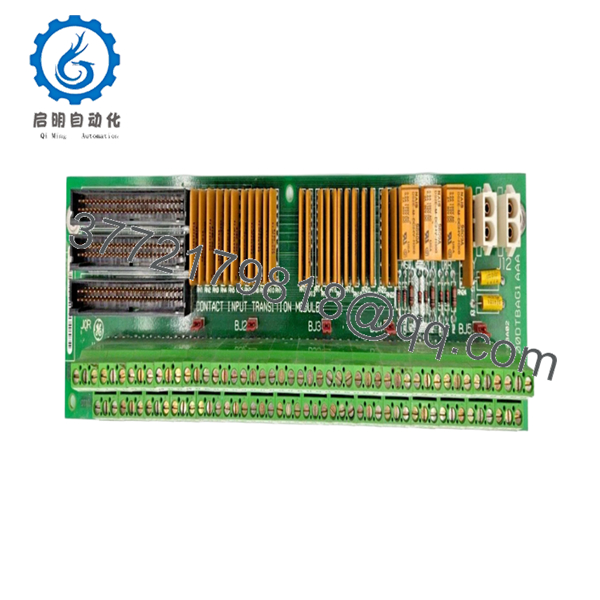
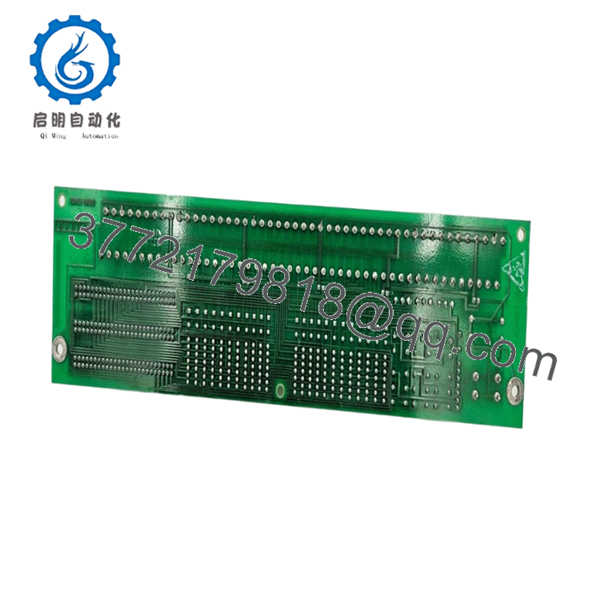
- Part Number: DS200DTBAG1AAA
- Manufacturer: GE
- Series: Mark V turbine control
- Product Type: Digital contact terminal board / contact input termination module
- Input Voltage Range: 24-125 VDC
- Terminal Capacity: Up to 190 wires total
- Terminal Blocks: 2
- Jumpers: 5
- Connectors: 2 two-pin connectors
- Approximate Dimensions: 29 x 8 x 4 cm
- Approximate Weight: 0.36 kg
- Application: Industrial turbine control and digital field contact interfacing
Product Introduction
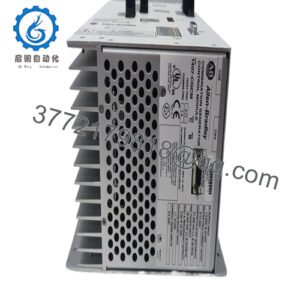
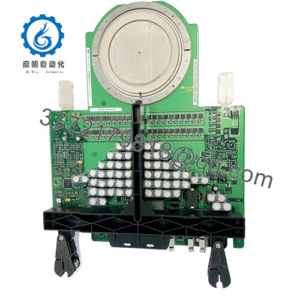
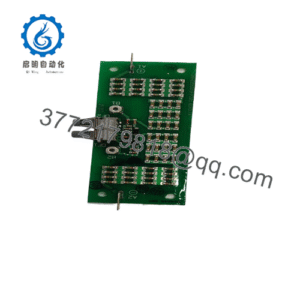
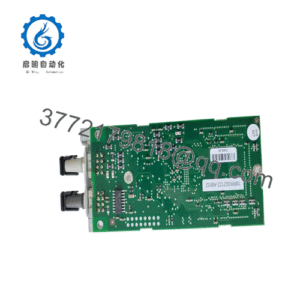
GE DS200DTBAG1AAA is a Mark V digital contact terminal board used in GE turbine control systems. It interfaces field contact signals to the control rack and manages wiring termination for digital I/O circuits.
This board is chosen for Mark V compatibility, wide 24-125 VDC input range, and straightforward field wiring layout. The jumper configuration matters, so match the existing board before installation and verify wiring against the site print set.
Troubleshooting Quick Reference
| Symptom | Possible Cause | Relevance to this Part | Quick Check Method | Recommendation |
|---|---|---|---|---|
| No contact inputs read in the controller | Wiring error, blown fuse, or upstream contact failure | ✅ High | Measure 24-125 VDC at the terminal block and verify field contact state with a multimeter | Check field wiring and power first; do not replace the board until upstream voltage is confirmed |
| Intermittent input readings | Loose wire, oxidized terminal, or bad jumper setting | ✅ High | Tug-test conductors, inspect jumper positions, and compare to the removed board | Re-terminate wires and mirror the jumper layout exactly |
| One group of signals dead | Miswired terminal block or damaged field device | ✅ High | Compare terminal numbers to the OEM wiring diagram and test continuity | Verify pinout and field device before condemning the module |
| Board appears dead after swap | Power removed incorrectly, wrong jumper configuration, or incompatible revision setup | ✅ High | Confirm all jumper positions match the original board and check supply presence | Reinstall with exact jumper settings and power down before handling |
| Random nuisance faults after replacement | Configuration mismatch or wiring shield issue | ✅ Medium | Compare every jumper and inspect shield termination method | Correct site configuration before assuming board failure |
Contact technical support with photos of the board, jumper positions, terminal labels, and any diagnostic logs if the fault still does not clear.

- DS200DTBAG1AAA
- DS200DTBAG1AAA
Frequently Asked Questions
Q: Is DS200DTBAG1AAA a direct replacement for my old Mark V board?
A: Usually yes, if the part number matches exactly and the jumper layout is copied from the removed board. Do not assume compatibility from the base model alone; verify the suffix and wiring before installation.
Q: Can I hot-swap this module?
A: No. Kill power first. Pulling a terminal board live can damage the rack, the field wiring, or the replacement board.
Q: Does this part keep programming or configuration data?
A: It is a terminal board, so it does not store user logic like a CPU does. The important item is the physical jumper and wiring configuration, which must match the original setup.
Q: Why is this cheaper than factory new stock?
A: Most units sold on the open market are New Surplus or pulled from excess inventory. That usually lowers price, but you should still ask for photos, test status, and condition details before ordering.
Q: What condition should I expect?
A: For this part, the common listing condition is New Original / New Surplus. If a seller claims refurbished, ask what was tested, what was replaced, and whether the board was run on a real Mark V test rack.
Q: What usually causes a failed swap to look like a bad board?
A: In practice, it is often wiring, jumper settings, or the upstream contact circuit. I have seen plenty of “bad boards” come back to life after the technician corrected the terminal mapping.
Q: What should I check before ordering?
A: Confirm the full part number DS200DTBAG1AAA, photograph the existing jumper positions, verify terminal labels, and compare the site voltage range. That avoids most avoidable downtime.