 WhatsApp: +86 16626708626
 Email:
  Phone: +86 16626708626
Description
Key Technical Specifications
- Manufacturer: GE Boards & Turbine Control (GE Vernova legacy)
- Series: Mark V DS200
- Function: Common DC bus regenerative board
- Application: Turbine control and DC‑bus regenerative braking in Mark V systems
- Typical configuration: Includes three 40‑A class regenerative switches (or similar) per board
- Bus type: DC bus regenerative interface for Mark V power modules
- Mounting: DS200 backplane plug‑in card
- Operating temperature: Industrial range suitable for control‑room environments (verify site‑specific datasheet)
- Weight: Board‑level, under 1 kg (exact depends on chassis)
- Obsolescence status: Legacy Mark V DS200 component; no new production from GE
Product Introduction
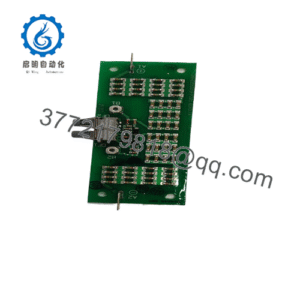
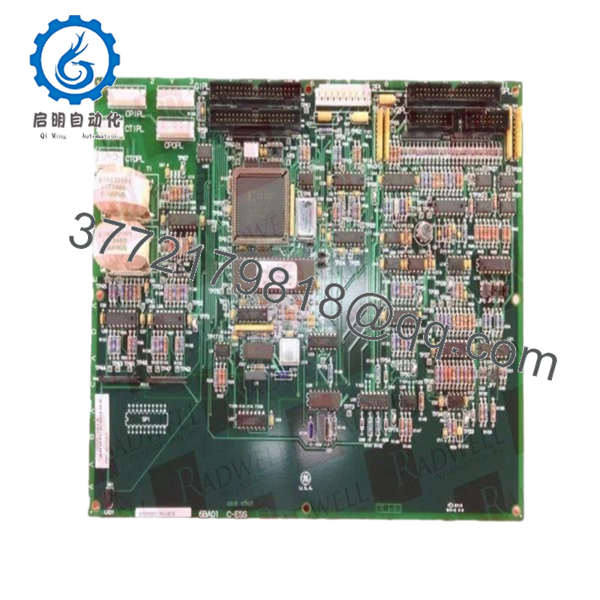
GE DS200GSIAG1C is a regenerative board used in GE Mark V DS200 turbine‑control systems to manage common DC‑bus regeneration from drives and converters. It forms part of the power‑stage hardware for applications where energy recovery from the DC bus is required, such as in large‑motor or compressor‑drive systems tied to the Mark V.
This board is typically chosen when replacing an identical DS200GSIAG1C in‑situ, because the physical layout, pinout, and firmware‑level interaction with the Mark V are tightly coupled. The main advantage is maintaining the original regenerative scheme without re‑engineering the DC‑bus side, but only if the exact variant and revision match the existing system.
Troubleshooting Quick Reference
| Symptom | Possible Cause | Relevance to this Part | Quick Check Method | Recommendation |
|---|---|---|---|---|
| DC‑bus overvoltage trips | Failed or disabled regenerative board | ✅ High | Check DC‑bus voltage and confirm regenerative I/O status in control logic | Verify DS200GSIAG1C status outputs and its cooling/connections |
| Regen stage not engaging | Control logic or wiring fault | ✅ Medium | Inspect DS200GSIAG1C status LEDs and control signals with a multimeter | Confirm control‑card and drive‑card wiring before assuming board failure |
| Erratic or repeated regen trips | Bad contact or thermal issue on bus connection | ✅ Medium | Inspect bolted DC‑bus connections and bus‑bar temperature | Tighten and clean bus connections; monitor temperature on repeated trips |
| No DC‑bus regeneration at all | Wrong board version or firmware blocker | ✅ High | Compare part number and firmware revision with the original unit | Match version exactly; do not assume physical interchangeability |
| Drive DC bus chokes after hard stop | Regen stage not responding in time | ✅ Medium | Check control timing and whether the regen command is logged | Verify logic sequence and status reporting in Mark V history |
| Unit is dead after swap | Wrong DC‑bus polarity or ESD damage | ✅ High | Inspect for burned traces and measure DC‑bus polarity before power‑on | Confirm polarity and handling procedure; never hot‑swap Mark V power boards |
If the fault pattern still points at DS200GSIAG1C, contact technical support with photos of the board, DC‑bus wiring, and Mark V alarm logs for review.

- DS200GSIAG1C
Frequently Asked Questions
Can I plug this DS200GSIAG1C into any Mark V rack?
No. It is designed for the DS200‑series backplane in specific Mark V configurations. Verify that your rack and power‑stage design actually use this exact board; wrong‑type boards can cause bus faults or protective trips.
Is this unit hot‑swappable?
No. Mark V power and regenerative boards must be de‑energized before insertion or removal. Hot‑swapping them risks DC‑bus arcing and can damage the bus or connected modules.
Will this keep the same regenerative behavior as my old board?
Yes, only if the firmware revision, option code, and connections match. Mark V control logic is sensitive to regen‑stage behavior; if the timing or status outputs differ, you may see new trips or reduced braking capability.
Why is this listed as New Surplus instead of factory‑new?
Because DS200GSIAG1C is a legacy Mark V component; genuine new‑stock units are typically from surplus or decommissioned plants rather than current‑production GE. That keeps the price lower than refurb‑only channels, but buyers must match the exact variant.
What should I check before installing this board?
- Match the exact model number and revision.
- Confirm DC‑bus polarity and torque on bus connections.
- Inspect for any physical damage or corrosion on the connectors.
- Verify that the Mark V control logic is configured for the same regen stage timing and status mapping.
Is this board still repairable?
Some third‑party service houses still repair DS200GSIAG1C boards, but availability is limited and turnaround can be long. For critical‑path units, consider keeping a spare matched‑pair on site rather than relying on repairs.
Does this require any special firmware upload or configuration?
No firmware is loaded directly onto the DS200GSIAG1C itself; it acts as a hardware regen stage. The timing and enable logic still live in the Mark V application logic, so you must verify that the control program matches the original setup.