 WhatsApp: +86 16626708626
 Email:
  Phone: +86 16626708626
Description
3. Key Technical Specifications
| Parameter | Value |
|---|---|
| Product Type | Drive Control / LAN Communications Board |
| Series | GE Mark V Speedtronic |
| Functional Role | Drive control + network communication interface |
| Processor Architecture | 4 microprocessors (LCP, DCP, MCP, CMP) |
| Memory | Flash PROM (x6) + EEPROM for configuration |
| Communication | Multi-bus LAN interface (up to 5 bus systems) |
| I/O Handling | Analog + digital signal processing |
| Power Supply | Backplane-fed DC |
| Reset Methods | Hardware pushbutton, software reset, watchdog |
| Diagnostic Interface | Alphanumeric keypad + onboard test points |
| PCB Coating | Conformal coated |
| Weight | ~0.8–4.5 kg (varies by source/config) |
4. Product Introduction
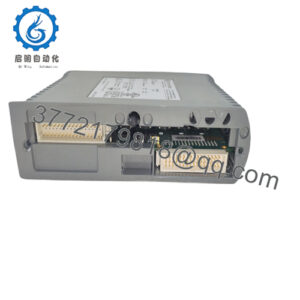
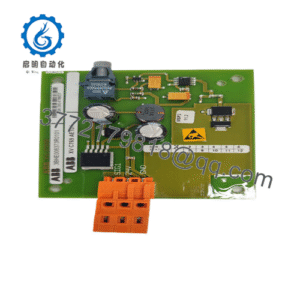
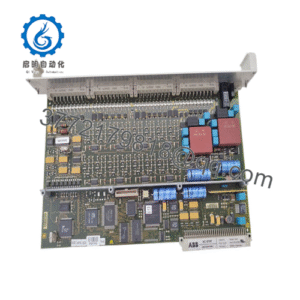
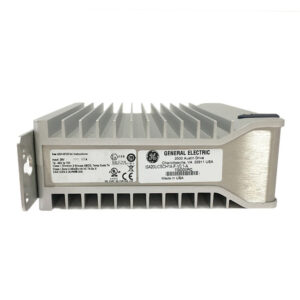
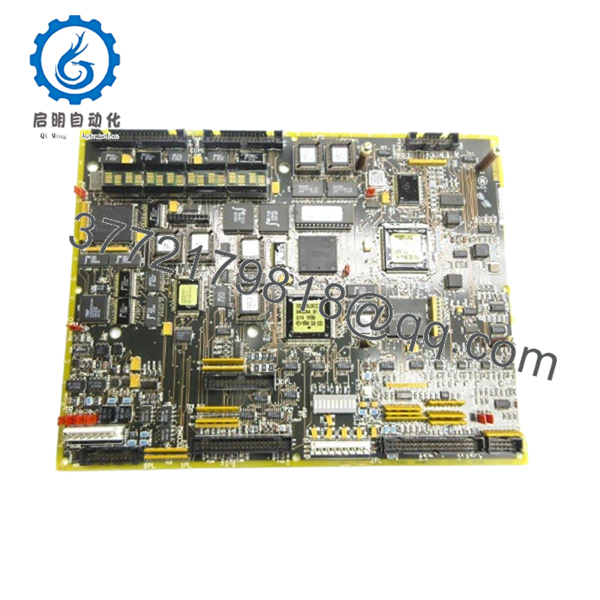
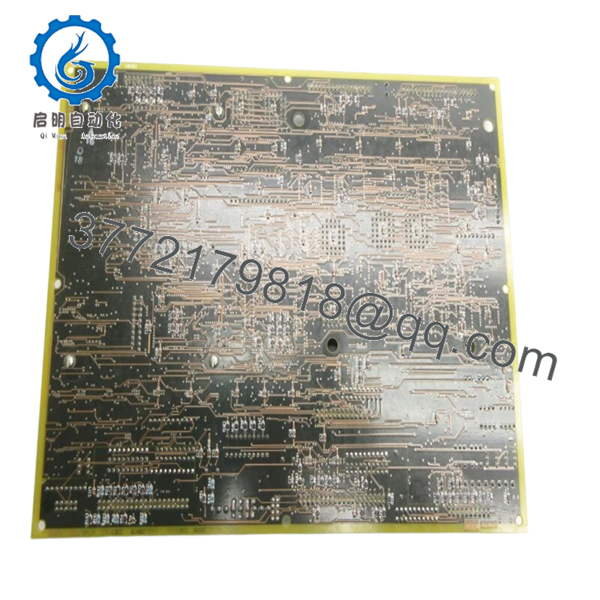
The GE DS200LDCCH1AHA is a Drive Control/LAN Communications Board used in the Mark V Speedtronic system, primarily within EX2000 excitation and DC2000 drive platforms. It handles both control logic execution and communication between the drive system and Mark V controllers.
From field experience, this board is effectively the “brains” of the drive interface—processing analog/digital I/O, managing LAN communication, and executing motor control functions via multiple onboard processors. Engineers typically replace it to maintain legacy turbine systems where redesign or migration is not feasible within outage windows.
5. Installation & Configuration Guide
Stage 1: Pre-Installation Preparation (Estimated Time: 15–20 min)
- ⚠️ Safety First:
- Notify operations and isolate turbine/drive system
- Lock out/tag out all energy sources
- Wait minimum 5–10 minutes for DC bus discharge
- Tools Required:
- ESD wrist strap
- PH1 screwdriver
- Multimeter (Fluke 115 recommended)
- Labels + smartphone
- Data Backup:
- Photograph all connectors and board position
- Record configuration parameters from EEPROM/drive software
- Document any jumper settings
Stage 2: Removing the Old Module (Estimated Time: 10–15 min)
- Open cabinet and locate LDCC board.
- Label all connectors (especially multi-pin ribbon cables).
- Disconnect cables carefully—these headers are easy to bend.
- Release locking hardware.
- Pull the board straight out to avoid damaging edge connectors.
- ⚠️ Note: Keep the old board nearby—especially if EEPROM or configuration needs verification.
Stage 3: Installing the New Module (Estimated Time: 15 min)
- Apply ESD protection before handling.
- Verify exact model: DS200LDCCH1AHA (revision matters).
- Check board revision (AHA vs earlier variants).
- Insert board fully into rack—ensure firm seating.
- Reconnect all cables securely.
- Self-Checklist:
- Correct revision installed
- Connectors fully seated
- Board aligned properly
- No bent pins
Stage 4: Power-On & Testing (Estimated Time: 20–30 min)
- Pre-Power Check:
- Verify backplane voltage
- Check for shorts
- Power-On Steps:
- Energize control rack only
- Observe board initialization
- Connect engineering workstation
- Verify LAN communication
- Validate drive signals (encoder, I/O)
- ⚠️ Troubleshooting Note:
- No comms → check LAN bus interface or firmware mismatch
- Drive not responding → DCP/MCP processing issue or config error

- DS200LDCCH1AHA
- DS200LDCCH1AHA
6. Frequently Asked Questions (FAQ)
Q1: What exactly does the DS200LDCCH1AHA control?
It manages drive-level control and communication. Think of it as the interface between Mark V controllers and the actual motor/excitation hardware.
Q2: Can I install this board without configuration work?
No.
Even if hardware is identical, configuration parameters (EEPROM + software) must match the system. Otherwise, you’ll get incorrect drive behavior or no communication.
Q3: Is this board hot-swappable?
No.
Mark V systems are not designed for live insertion. You risk damaging the backplane and potentially tripping the turbine or drive system.
Q4: What’s the biggest failure mode you’ve seen?
From field work:
- EEPROM corruption
- Processor instability due to aging components
- Connector oxidation causing intermittent comms
Q5: Are all DS200LDCCH1 boards interchangeable?
❗ No.
Revisions matter (e.g., AHA vs earlier versions).
I’ve seen a swap where the hardware fit perfectly, but the system refused to communicate due to revision differences.
Q6: What happens if LAN communication fails?
The drive loses coordination with the control system.
In turbine applications, that can trigger alarms or even trips depending on configuration.
Q7: Why is this board still expensive?
Installed base + zero drop-in replacement.
If your plant runs Mark V, replacing this board is cheaper than migrating the entire excitation or drive system.