 WhatsApp: +86 16626708626
 Email:
  Phone: +86 16626708626
Description
3. Key Technical Specifications
| Parameter | Value |
| Manufacturer | General Electric (GE) |
| Board Acronym | LRPA |
| Microprocessor | High-speed dedicated LAN controller |
| Communication Ports | Dual BNC (ARCNET) / Ribbon Header |
| Bus Interface | Standard Mark V Backplane |
| Revision Level | G2AGF (Specific Logic Enhancement) |
| Redundancy Support | Fully supports , , and core synchronization |
| Diagnostics | On-board status LEDs for LAN activity |
| Voltage Requirements | +5 V DC / +/-15 V DC from backplane |
| Operating Humidity | 5% to 95% Non-condensing |
4. Product Introduction & Supply Chain Strategy
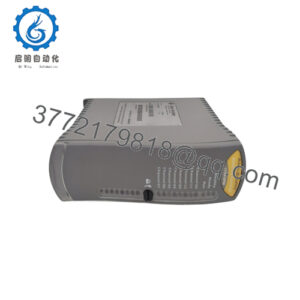
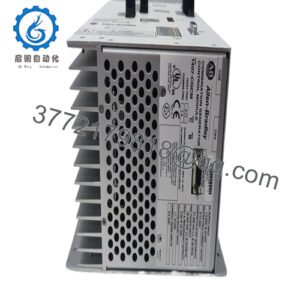
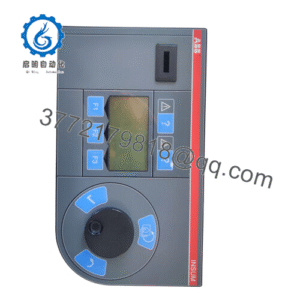
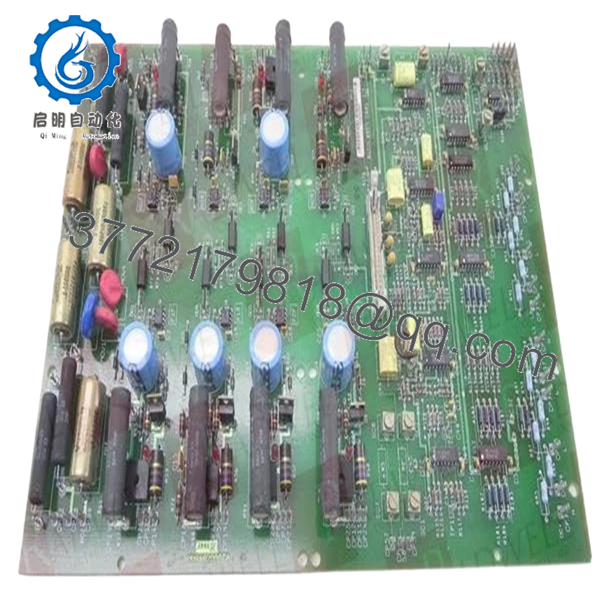
The GE DS200LRPAG2AGF is the backbone of the communication architecture within the Mark V Speedtronic system. This LAN Redundant Processor (LRPA) board facilitates the high-speed data exchange necessary for the , , and control cores to remain synchronized. In a Triple Modular Redundant (TMR) setup, a failure on this board can compromise the “voting” logic of the turbine, potentially leading to a forced outage or a “Communication Loss” trip.
From a supply-chain standpoint, the DS200LRPAG2AGF is a “Class A” critical spare. Because the Mark V is a legacy platform, sourcing New Surplus units is a strategic necessity to avoid the pitfalls of refurbished components. Refurbished LRPA boards often suffer from intermittent communication dropouts caused by aged electrolytic capacitors or weakened BNC connector solder joints. By opting for New Surplus, you secure a 100% reliable communication path, reducing your Total Cost of Ownership (TCO) by preventing costly troubleshooting man-hours associated with “ghost” network errors.
5. Installation & Configuration Guide
- Stage 1: Pre-Installation (Prep & Safety): Utilize LOTO procedures on the control cabinet. Wear a grounded ESD wrist strap to protect the CMOS components on the processor. Take high-resolution photos of the current ARCNET cabling and any EEPROM chips installed on the legacy board.
- Stage 2: Removal: Carefully disconnect the BNC coaxial cables and the ribbon cables from the front of the board. Loosen the retaining screws and pull the card straight out of the backplane slot, ensuring the pins do not scrape the adjacent modules.
- Stage 3: Installation (Clone & Seat): Verify that all jumpers and any socketed PROMs on the new DS200LRPAG2AGF match the original board’s configuration. Align the card with the slot guides and press firmly to seat the backplane connector.
- Stage 4: Power-On & Testing: Reconnect the BNC cables securely. Upon power-up, observe the LAN status LEDs. They should blink rapidly, indicating active data traffic. Check the operator interface (HMI) for any “Stale Data” or “Node Offline” alarms to ensure the redundant path is fully active.

- DS200LRPAG2AGF
6. Firmware/Software Versions & Upgrade Notes
- Revision Matching: The “G2AGF” revision is highly specific. Replacing a “G1” board with a “G2” board may require a change in the cabinet’s cable length or a software update in the I/O configurator.
- PROM Transfer: If your specific application uses custom firmware PROMs, ensure they are moved to the new board using an IC extraction tool. Avoid using pliers, which can crack the chip casing.
- Compatibility: The G2AGF revision is optimized for later Mark V builds. If integrating into an earlier system, verify that the ARCNET baud rate settings are consistent across all nodes.
7. Frequently Asked Questions (FAQ)
How can you prove this isn’t a “pulled” or refurbished part?
New Surplus boards like our DS200LRPAG2AGF arrive with clean, un-tensioned backplane pins and zero residue from industrial environments. We perform a visual and electrical verification to ensure the unit has never seen a single duty cycle in a live turbine.
What is the “Wildcard” risk of using a refurbished LRPA board?
The biggest risk is “Intermittent LAN Failure.” A refurbished board might pass a bench test but fail when it reaches operating temperature inside a hot cabinet, causing the turbine to trip without warning. New Surplus removes this variable entirely.
Does this board support the ARCNET redundancy protocols?
Yes, the DS200LRPAG2AGF is specifically designed for redundant LAN configurations, allowing for dual-cable paths to ensure the control system remains online even if one cable is severed.
Can I store this board as a long-term backup?
Absolutely. We recommend keeping at least one New Surplus LRPA board in your “Emergency Spares” kit. Store it in its original ESD bag and a humidity-controlled environment to maintain its 15+ year shelf life.
Do I need to re-program the system after installing this board?
If you have transferred the original PROMs and matched the jumpers, the system should recognize the new board automatically. However, it is always best practice to perform a “Verify” command via the control software to ensure the hardware ID matches the configuration file.