 WhatsApp: +86 16626708626
 Email:
  Phone: +86 16626708626
Description
3. Key Technical Specifications
| Parameter | Value |
|---|---|
| Manufacturer | General Electric |
| Model Number | DS200TBCAG1AAB |
| Functional Acronym | TBCA |
| Product Type | Analog I/O Terminal Board |
| System Series | GE Speedtronic Mark V |
| Terminal Blocks | 2 × 90 signal terminals |
| Interface Connectors | 2 × 50-pin connectors |
| Functional Revision 1 | A |
| Functional Revision 2 | A |
| Artwork Revision | B |
| PCB Coating | Normal coating |
| Country of Origin | USA |
| Typical Application | Gas, steam, and turbine control systems |
| Installation Type | Rack-mounted system board |
| Condition | New Surplus / Tested Refurbished available |
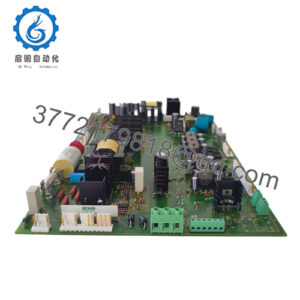
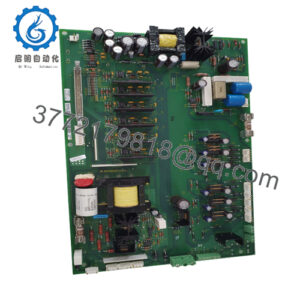
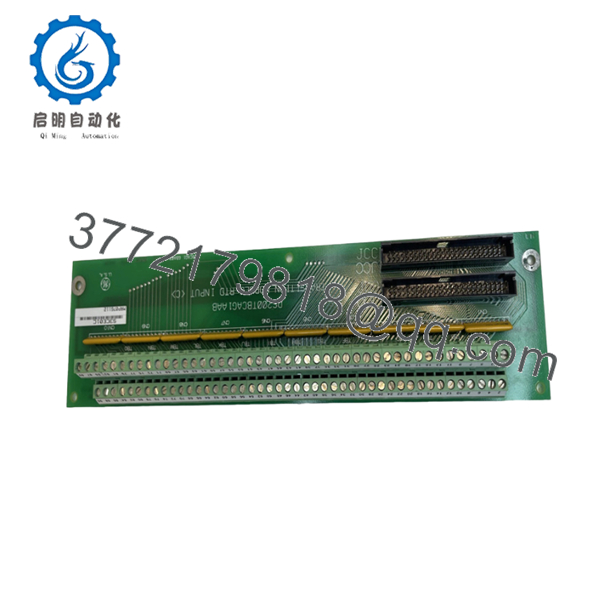
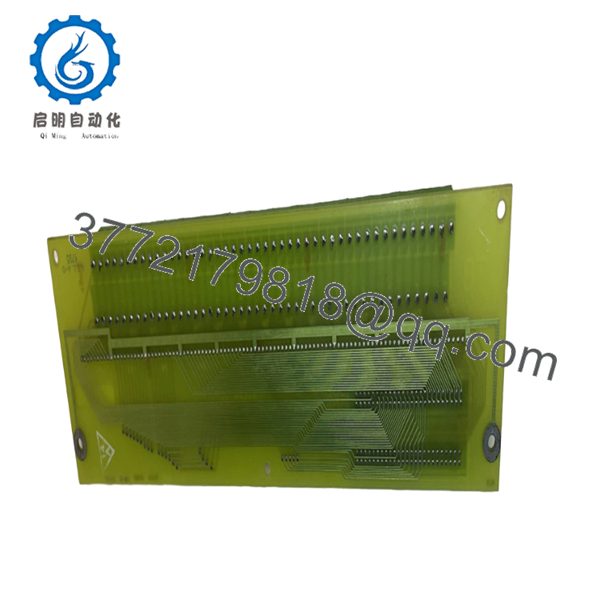
The DS200TBCAG1AAB board is identified as a GE Mark V Analog I/O Terminal Board with dual 90-point terminal blocks and dual 50-pin interfaces.
4. Product Introduction
GE DS200TBCAG1AAB is an Analog I/O Terminal Board designed for the GE Speedtronic Mark V turbine control platform. It functions as the signal termination and routing interface between field analog devices and control electronics in gas turbine, steam turbine, and heavy industrial drive systems.
In field deployments of Mark V systems, this board gets selected because replacement work is relatively straightforward. Existing field wiring can typically transfer terminal-to-terminal without redesign work. The dual 90-point terminal layout also supports high-density signal terminations in turbine cabinets.

- DS200TBCAG1AAB
- DS200TBCAG1AAB
5. Installation & Configuration Guide
Stage 1: Pre-Installation Preparation (Estimated: 10 minutes)
⚠️ Safety First: Notify operations personnel of downtime. Confirm process safe-state conditions. Apply lockout/tagout procedures and remove control power. Wait a minimum of 5 minutes for DC bus discharge.
Tools Required:
- ESD wrist strap
- PH1 screwdriver
- Fluke 115 multimeter
- Wire labels
- Smartphone for photos
- ESD work mat
Data Backup:
- Export controller backups.
- Record cabinet and rack locations.
- Photograph all wiring terminations.
- Photograph connector positions and board orientation.
- Document any field labeling changes.
Stage 2: Removing the Old Module (Estimated: 8 minutes)
- Remove cabinet access panels.
- Label all wiring before removal.
- Disconnect terminal wiring carefully. Do not pull wires by force.
- Release retaining hardware.
- Pull board straight out to protect mating connectors.
- Inspect for bent connector pins and cabinet contamination.
⚠️ Note: Keep the original board beside you during installation. More than once I’ve seen terminal labeling drift after maintenance crews get interrupted mid-job.
Stage 3: Installing the New Module (Estimated: 7 minutes)
- Wear ESD protection before touching the board.
- Verify exact part number: DS200TBCAG1AAB
- Compare revision markings.
- Install board carefully into rack position.
- Seat connectors fully.
- Reconnect wiring one terminal at a time.
Configuration Clone (Crucial):
Although this board generally lacks field-configurable jumpers, verify all connector assignments against cabinet drawings. Never assume previous technicians wired everything correctly.
Self-Checklist
[ ] Model numbers match
[ ] Connector seating verified
[ ] Wiring secured
[ ] Retaining hardware locked
Stage 4: Power-On & Testing (Estimated: 5–10 minutes)
Pre-Power Check
Use a multimeter to verify:
- No short on 24 V rail
- Ground continuity intact
- Connector seating confirmed
Power-on sequence:
- Power control rack only.
- Observe board startup indicators.
- Connect engineering workstation.
- Verify signal communications.
- Simulate analog input/output channels.
- Confirm all process values update correctly.
⚠️ Troubleshooting Note: If analog channels remain inactive after replacement, check JCC/JDD connector orientation before blaming the board. I have seen technicians reverse cable placement during night-shift maintenance windows. It happens more often than anyone admits.
Technical Pitfall & Survival Guide
❗ Firmware Revision Mismatch
Mark V systems can become surprisingly picky. Document current firmware and controller revisions before shutdown.
I’ve watched a maintenance team replace a module during a turbine outage and spend nearly two days chasing “Communication Timeout” alarms. Firmware differences ended up being the cause.
Avoidance:
- Record firmware revision before removal
- Request matching revision range
❗ DIP Switch / Jumper Misconfiguration
This is the most common rookie mistake, but experienced people still do it.
Take a picture before you pull it. I cannot stress this enough.
❗ Terminal Block / Wiring Incompatibility
Even similar GE boards can have subtle connector differences.
Never wire from memory.
Verify:
- Connector labels
- Shield grounding
- Terminal numbering
❗ Power Draw Specifications
Always calculate cabinet loading.
Leave a 20% power supply margin.
One overloaded supply can trigger nuisance shutdowns that look like communication faults.
❗ Electrostatic Discharge (ESD)
I once watched an engineer grab a replacement board during winter maintenance without a wrist strap. Powered it up and smoke appeared instantly.
That mistake cost several thousand dollars.
Use:
- Grounded ESD strap
- ESD-safe work surface
- Anti-static packaging
Keep these checks in mind and you’ll save yourself 90% of typical rework time.
SOP Quality Transparency
1. Inbound Inspection & Traceability
- OEM packing list verification
- Serial number documentation
- Anti-counterfeit label inspection
- UV discoloration inspection
- Corrosion and rework mark inspection
- Accessory audit
2. Live Functional Testing
Testing environment:
- Genuine GE Mark V rack simulation system
Testing sequence:
- Power-on self-test
- LED inspection
- Communication handshake validation
- Analog I/O simulation
- Continuous operation exceeding 24 hours
- Thermal monitoring
Official test reports generated.
Photos and test videos available upon request.
3. Electrical Parameter Testing
- 500 V Megger insulation test >10 MΩ
- Ground continuity verification
- Hipot testing where applicable
4. Firmware Verification
- Revision recording
- Connector inspection
- Configuration documentation
5. Final QC and Packaging
- QC inspector signoff
- Anti-static ESD packaging
- Bubble wrap protection
- Heavy-duty corrugated carton
- QC label with inspection date
Module functionality verified under load conditions.
6. Frequently Asked Questions (FAQ)
Q1: Can I hot-swap this module?
No. Do not attempt it.
This board operates inside high-energy turbine control systems. Hot-swapping risks backplane damage and connector arcing. Shut down the cabinet first and follow lockout procedures.
Q2: Is DS200TBCAG1AAB obsolete, and is stock genuinely new?
Yes. Mark V hardware falls into legacy inventory territory.
Most current inventory is New Surplus or tested surplus stock rather than current factory production. Verify date codes and condition documentation before ordering.
Q3: What replacement should I use if this part becomes unavailable?
There is no simple universal substitute.
Mark V systems rely heavily on board-level compatibility. Cross-check GE documentation and exact revision identifiers before attempting substitutions.
Q4: Will I lose programming logic during replacement?
No.
DS200TBCAG1AAB is a terminal board, not a controller CPU. Logic execution remains inside the control processor. You are replacing signal termination hardware, not application memory.
Q5: Why is pricing lower than OEM historical pricing?
Because most available inventory comes from surplus channels, plant shutdown inventory, and excess industrial stock.
You should ask for:
- Serial verification
- Functional test reports
- Actual photos
- Warranty documentation
Q6: Are refurbished units acceptable?
Depends on outage risk.
For emergency maintenance with aging Mark V systems, tested refurbished hardware can be reasonable. For planned outages in critical generation environments, I usually specify New Surplus inventory where available.
Q7: How fast can replacement happen during an outage?
If wiring documentation exists and technicians stay disciplined, replacement typically takes 20–30 minutes.
If labeling is missing and someone says, “I’ll remember where everything goes,” plan for a much longer night.