WhatsApp: +86 16626708626
 Email:
  Phone: +86 16626708626
Description
Key Technical Specifications
- Board type: Common extended analog I/O board
- System family: GE Mark V
- Function: Analog input/output interface
- Connectors: 2 × 50-pin connectors, JCC and JDD
- Indicators: 1 LED
- Jumpers: 3 jumpers
- Controller role: TC2000 analog board
- Application: Gas turbine control systems
- Board revision: B suffix
- Order code: DS200TCCBG8B
Product Introduction
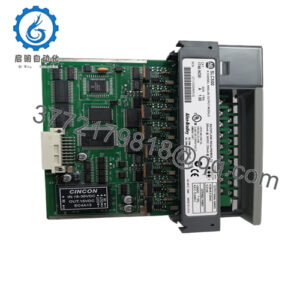
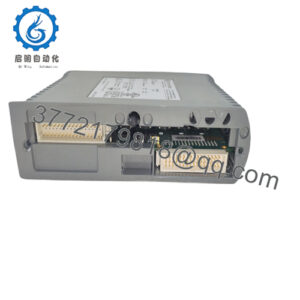
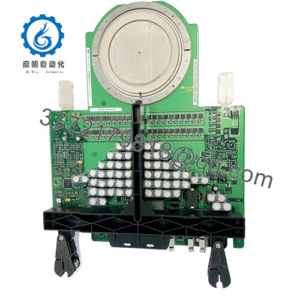
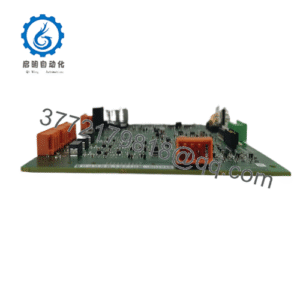
GE DS200TCCBG8B is a Mark V TC2000 common extended analog I/O board used in GE turbine control systems. It handles analog interface functions inside the control rack and uses two 50-pin connectors, a status LED, and three jumpers for configuration.
This part is typically bought as a legacy replacement where exact suffix matching matters. For Mark V repairs, the board is usually swapped only after connector, jumper, and revision checks are confirmed against the original assembly.
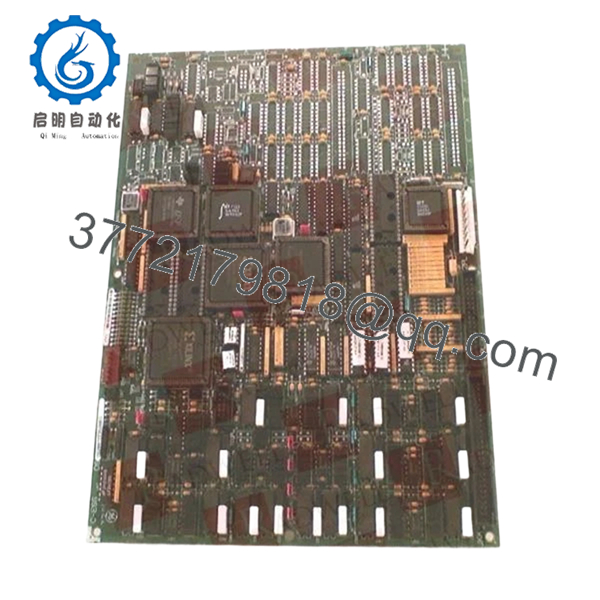
- DS200TCCBG8B
Troubleshooting Quick Reference
| Symptom | Possible Cause | Relevance to this Part | Quick Check Method | Recommendation |
|---|---|---|---|---|
| Analog input channels read dead | Wiring fault, field transmitter issue, or failed board input stage | ✅ High | Measure signal at the terminal strip and compare against the rack input value | Check field wiring and loop power before replacing the board |
| Output values stuck at one level | Stuck signal path, bad jumper setting, or failed analog circuit | ✅ High | Verify jumper positions and compare output against a known good channel | Mirror the original settings and retest |
| No LED activity | Missing rack power or failed board | ✅ High | Check rack supply voltage and inspect connector seating | Confirm backplane power before calling the board bad |
| Intermittent analog drift | Loose connector, oxidation, or thermal aging | ✅ High | Reseat the card and inspect the 50-pin connectors for wear | Clean contacts and verify the fault under load |
| Wrong scaling on one channel | Configuration mismatch or revision incompatibility | ✅ High | Compare the installed board revision and channel setup with the original | Do not swap by family name alone; match the exact suffix |
| Turbine controller throws I/O alarms | Upstream controller or channel mismatch | ✅ Medium | Check diagnostic logs and verify channel mapping in the Mark V system | Confirm the fault source before ordering a replacement |
| Board tests good on bench but not in cabinet | Backplane, wiring harness, or cabinet-side fault | ❌ Low | Move the board only after checking cabinet power and harness continuity | Do not replace the board until the cabinet checks pass |
If the fault still does not isolate cleanly, send photos of the board, jumpers, connectors, and Mark V diagnostics to technical support.
Frequently Asked Questions (FAQ)
Q: What is the GE DS200TCCBG8B used for?
A: It is a Mark V extended analog I/O board for GE turbine control systems. In practice, it handles analog interfacing inside the control rack.korean.
Q: Is this a direct replacement for DS200TCCBG1A or DS200TCCBG1B?
A: Not automatically. The suffix matters, and Mark V boards often need an exact match for revision and rack compatibility. Check the original label before ordering.
Q: Is it hot-swappable?
A: No. Power down and verify the cabinet is safe first. Pulling a board live can damage the card or trigger a bigger control fault
Q: What should I check before installing it?
A: Match the part number, inspect the two 50-pin connectors, and record the jumper positions from the old board. That avoids most of the common install mistakes.
Q: Is this item new or refurbished?
A: New surplus. That usually means unused legacy stock, not current factory production. It is often priced lower because it comes from secondary inventory.
Q: Why is this board still sold if Mark V is old?
A: Because plants still run Mark V turbine systems, and exact replacement boards are needed to keep them online. Surplus parts fill that gap when OEM production is no longer the main source.
Q: What usually causes the board to look bad when it is not?
A: Dirty connectors, wrong jumpers, bad harness wiring, or a rack-side fault. I would check those before calling the board failed.