 WhatsApp: +86 16626708626
 Email:
  Phone: +86 16626708626
Description
3. Key Technical Specifications
| Parameter | Value |
| Manufacturer | GE Energy / General Electric |
| Inputs | Supports 0-10V, 4-20mA, and Thermocouple signals |
| Signal Resolution | High-speed 12-bit A/D Conversion |
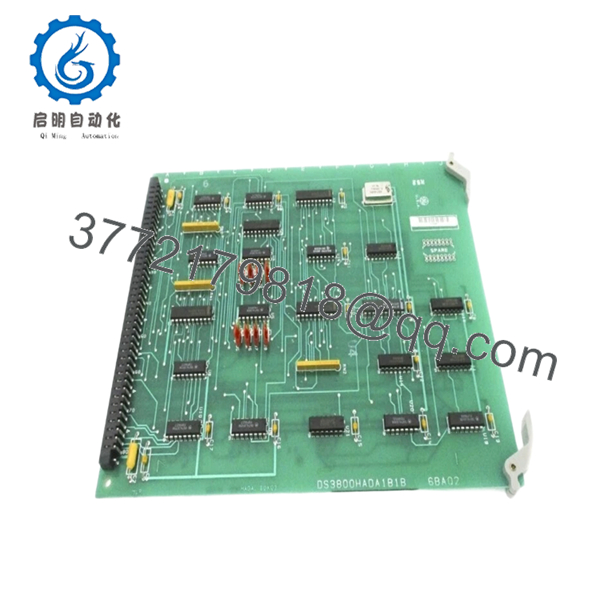
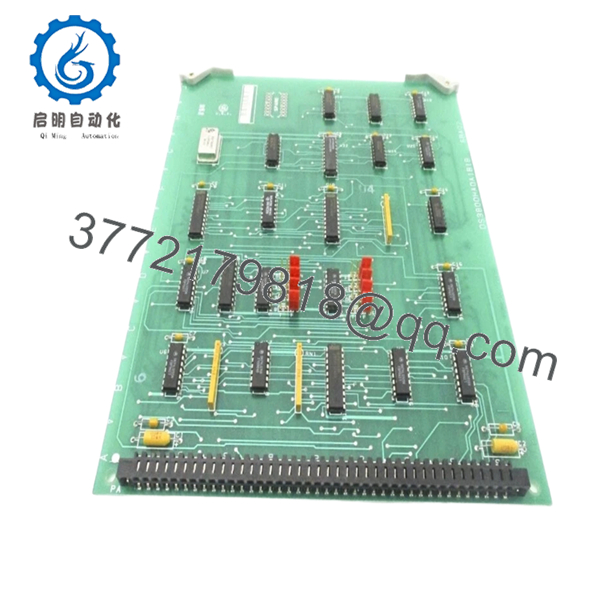
| Interface | Gold-plated Edge Connector for Mark IV Backplane |
| Diagnostic Support | Front-panel Test Points for Signal Calibration |
| Logic Supply | +5 VDC (Digital) / +/- 15 VDC (Analog Rail) |
| Revision Level | 1B1B (Group 1, Revision B hardware) |
| Operational Temp | 0 to 60°C (32 to 140°F) |
4. Product Introduction & Supply Chain Strategy
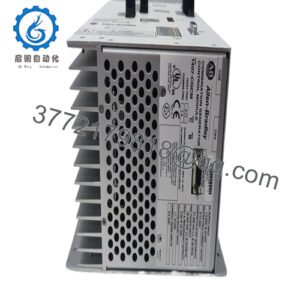
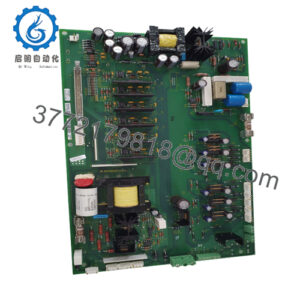
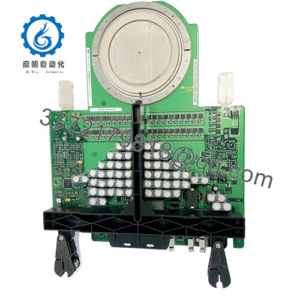
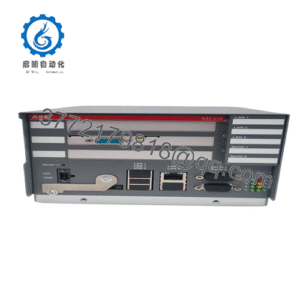
The GE DS3800HADA1B1B is a high-precision data acquisition module essential for the Speedtronic Mark IV turbine control system. It functions by sampling analog inputs from various field sensors—such as pressure transducers and temperature probes—and translating them into the digital language the system’s logic processors can interpret. Without a functioning HADA board, the turbine “goes blind” to its operational environment.
From a TCO and supply-chain perspective, sourcing a “New Surplus” DS3800HADA1B1B is the only way to guarantee measurement linearity. Analog boards are particularly susceptible to “component drift” caused by the aging of electrolytic capacitors and resistors on used or refurbished units. A New Surplus board provides zero-hour stability, ensuring that critical control setpoints remain accurate and preventing the nuisance trips often caused by the signal “noise” inherent in older, refurbished hardware.
5. Installation & Configuration Guide
Stage 1: Pre-Installation (Prep & Safety)
Power down the Mark IV rack completely. Wear a grounded ESD wrist strap to protect the sensitive A/D converters. Use a fine-tip marker to note the positions of any configuration jumpers on the old board; these often determine the input voltage ranges (e.g., 5V vs 10V scaling).
Stage 2: Removal
Firmly grip the ejector handles at the top and bottom of the card. Pull them outward simultaneously to unseat the edge connector from the backplane. Slide the board out of the guide rails, handling it only by the edges to avoid contaminating the circuit traces.
Stage 3: Installation (Clone & Seat)
Verify that the jumpers on the new DS3800HADA1B1B are set to the identical configuration as the original board. Slide the module into the designated slot until you feel it touch the backplane connector. Push the ejector handles inward to lock the board into place.
Stage 4: Power-On & Testing
Energize the system and monitor the “Self-Test” sequence. Use the front-panel test points to verify that the analog-to-digital scaling matches the expected sensor values. Check the operator interface for any “Analog Input Range” or “A/D Converter Fault” messages.
6. Firmware/Software Versions & Upgrade Notes
As a hardware-based conversion card, the DS3800HADA1B1B does not require software downloads. However, the “1B1B” revision code indicates specific timing and precision components used on this Group 1 board. If replacing an older “1A” revision, verify that the system’s calibration constants in the Mark IV software do not require adjustment. Warning: Always verify that the +/- 15V analog supply is stable before installation, as a power surge can instantly destroy the precision converters on this card.

- DS3800HADA1B1B
- DS3800HADA1B1B
7. Frequently Asked Questions (FAQ)
How do I know if my HADA board is failing?
Signs of failure include “fluttering” sensor readings on the HMI, analog inputs that are stuck at their maximum or minimum values, or persistent “Input Mismatch” alarms between redundant cores.
Why is measurement “linearity” so important for this board?
The HADA board must be perfectly linear so that a 4mA signal at the sensor is read as the exact same value at the processor. Refurbished boards often lose this linearity due to component aging, leading to inaccurate turbine control.
Can I swap this board while the system is under power?
No. Hot-swapping the DS3800HADA1B1B can cause a voltage spike that may damage the backplane or adjacent processor cards. Always perform a controlled shutdown first.
Does this board support thermocouple inputs directly?
Yes, depending on the jumper settings and the presence of a cold-junction compensation terminal, the HADA board can process millivolt signals from thermocouples.
Are these boards tested for calibration before sale?
Our New Surplus inventory is verified for physical integrity and power-on functionality. Because calibration depends on your specific site sensors, we recommend a loop check upon installation to ensure system-wide accuracy.