 WhatsApp: +86 16626708626
 Email:
  Phone: +86 16626708626
Description
3. Key Technical Specifications
- Manufacturer: General Electric (GE)
- Part Number: DS3800HMPK1J1
- Series: Mark IV DS3800
- Board Type: Microprocessor Board
- Application: GE Speedtronic turbine control systems
- Processor Type: Onboard microprocessor architecture
- Memory: EPROM modules installed
- Connectors: 34-pin connector + two 50-pin connectors
- Indicators: Front-access LED status indicators
- Installation: Mark IV control rack slot
- Power System: Multi-source industrial control power environment
- Replacement Requirement: Verify board revision, rack position, and application before installation
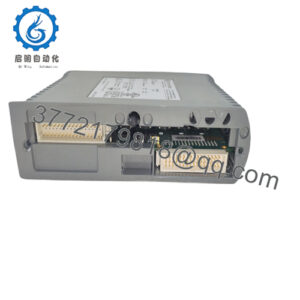
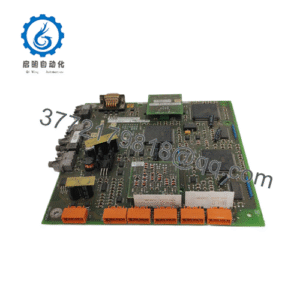
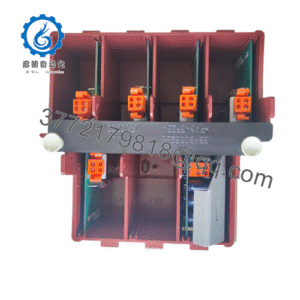
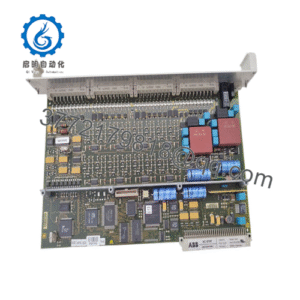
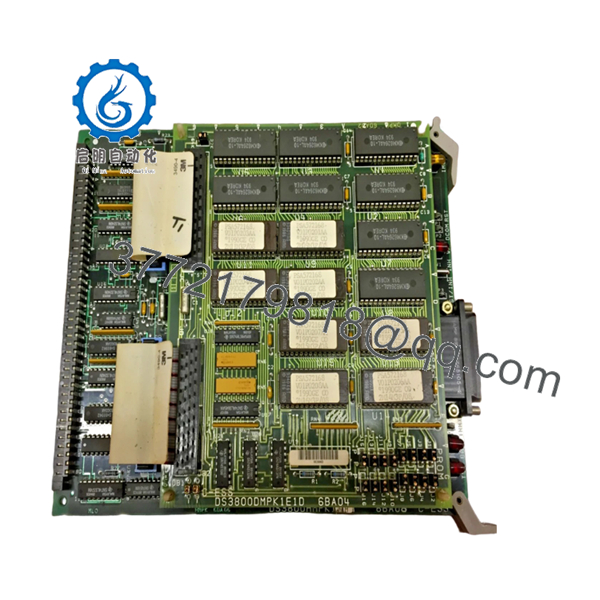
The GE DS3800HMPK1J1 is part of the Mark IV DS3800 turbine control board family and is identified as a microprocessor board used in GE turbine control applications. Related DS3800HMPK1J1 revisions include modular connectors, retention levers, EPROM modules, and front LED indicators.
4. Product Introduction
The GE DS3800HMPK1J1 is a Mark IV Speedtronic microprocessor control board designed for GE turbine control systems. It performs control processing functions inside the DS3800 control architecture and interfaces with other turbine control boards through the Mark IV rack system.
This board is commonly maintained as a spare for legacy turbine installations. Before replacement, verify the complete part number, board revision suffix, connector layout, and installed firmware/EPROM configuration to avoid commissioning issues.

- DS3800HMPK1J1
5. Installation & Configuration Guide
Stage 1: Pre-Installation Preparation (Approx. 15 minutes)
⚠️ Safety First
- Notify plant operations before shutdown.
- Confirm turbine/control system is in a safe maintenance condition.
- Apply lockout/tagout procedures.
- Remove all applicable AC and DC control power sources.
- Wait for stored electrical energy discharge before touching the rack.
⚠️ The Mark IV system may contain multiple power sources. Verify complete isolation before handling the board.
Tools Required
- ESD wrist strap
- PH1 screwdriver
- Digital multimeter
- Wire labels
- Smartphone/camera
Data Backup
- Record the existing DS3800HMPK1J1 board label information.
- Photograph rack position and connector orientation.
- Record LED status before removal.
- Document jumper settings and hardware configuration.
Stage 2: Removing the Old Module (Approx. 10 minutes)
- Open the Mark IV control cabinet.
- Confirm power isolation.
- Label all connected cables.
- Release the board retention levers.
- Pull the board straight out from the rack connector.
⚠️ Inspect:
- Backplane connector pins
- Board edge contacts
- Signs of overheating
- Dust contamination
- Corrosion
Keep the removed board for reference until the replacement is operating correctly.
Stage 3: Installing the New Module (Approx. 15 minutes)
- Wear ESD protection before handling the replacement.
- Verify:
- GE marking
- DS3800HMPK1J1 part number
- Correct revision suffix
Configuration Clone (Critical)
- Compare EPROM configuration with the original board.
- Confirm jumper positions.
- Verify connector locations.
- Match rack slot position.
- Insert the board into the rack.
- Push firmly until fully seated.
- Lock retention levers.
- Reconnect all wiring.
Self-Checklist
[ ] Correct board revision verified
[ ] Rack slot confirmed
[ ] Connectors seated
[ ] Retention levers locked
Stage 4: Power-On & Testing (Approx. 15 minutes)
Pre-Power Check
- Verify power supply conditions.
- Check for connector damage.
- Confirm board seating.
Power-On Steps
- Restore control power.
- Observe LED indicators.
- Verify startup diagnostics.
- Check communication with other Mark IV boards.
- Confirm turbine control status.
⚠️ Troubleshooting Note
- No startup indication: verify power sources and rack seating.
- Communication fault: check connector alignment and board revision.
- Unexpected control alarms: compare EPROM/configuration data with the original board.
6. Frequently Asked Questions (FAQ)
Q1: What is the GE DS3800HMPK1J1 used for?
The DS3800HMPK1J1 is a GE Mark IV DS3800 microprocessor board used in Speedtronic turbine control systems. It provides processing functions within the turbine control rack.
Q2: Is the DS3800HMPK1J1 obsolete?
The Mark IV DS3800 platform is a legacy turbine control system. Spare boards are generally supplied through industrial surplus and repair channels rather than normal new-production distribution.
Q3: Is this board new original or refurbished?
Confirm the exact inventory condition before purchase. Industrial suppliers may offer new surplus, tested used, or repaired units. Request inspection records and photos.
Q4: Can I hot-swap the DS3800HMPK1J1?
No. Do not remove this board under power unless the GE system documentation specifically allows it. Incorrect removal can damage the board connector or create control faults.
Q5: Will replacing this board erase turbine control logic?
The board uses EPROM-based hardware configuration. Do not assume the replacement contains identical programming. Verify memory devices, firmware revision, and configuration before installation.
Q6: What should I check before ordering?
Verify:
- Full part number: DS3800HMPK1J1
- Revision suffix
- Mark IV rack compatibility
- EPROM configuration
- Connector arrangement
Q7: Why is surplus pricing different from GE original pricing?
Legacy turbine control boards are often traded through specialized spare-part markets. Pricing depends on condition, testing level, warranty, and available inventory.