 WhatsApp: +86 16626708626
 Email:
  Phone: +86 16626708626
Description
Key Technical Specifications
- Manufacturer: GE
- Model: DS3800HPID
- Platform: Mark IV turbine control family
- Module Type: Control board
- Application: Gas turbine / industrial control system
- Mounting: Rack or card-cage installation
- Power Requirement: Verify against OEM rack documentation
- Interface: System-specific backplane and field wiring
- Operating Environment: Verify site cabinet temperature and enclosure conditions
- Compatibility: Must match existing Mark IV hardware and firmware set
- Condition: New Surplus, subject to inspection and test
Product Introduction
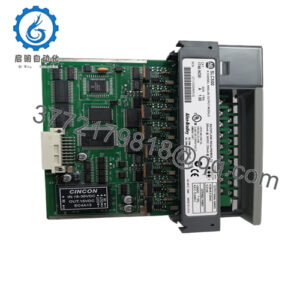
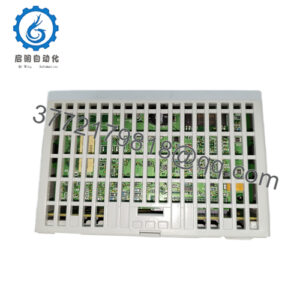
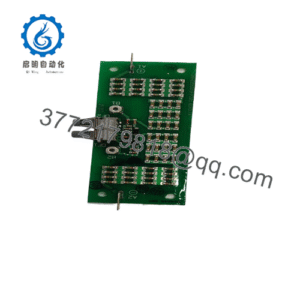
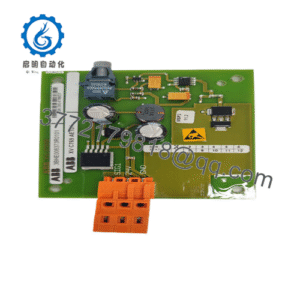
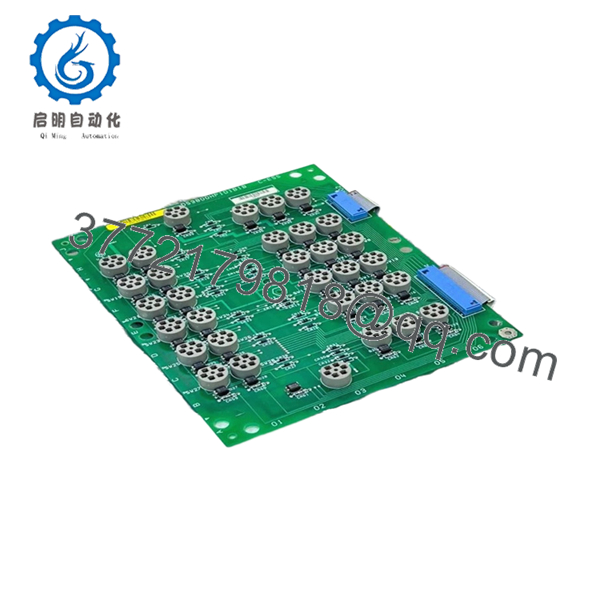
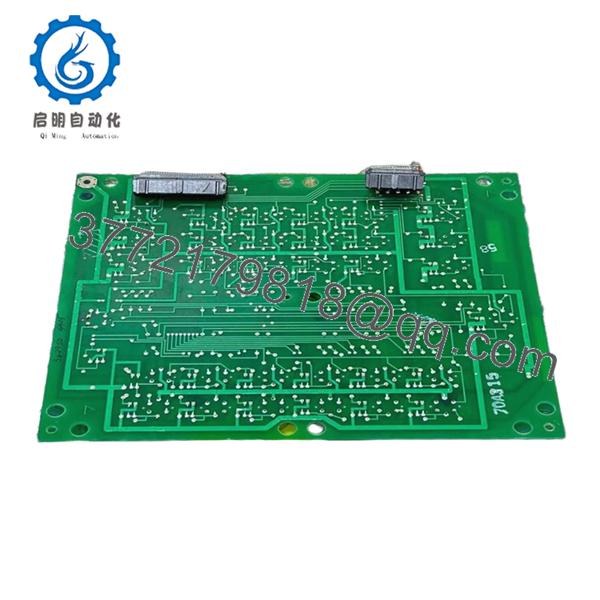
GE DS3800HPID is a Mark IV control board used in GE turbine control systems and related industrial automation panels. It is the kind of part maintenance teams replace when the existing board fails diagnostics, loses communication, or no longer passes start-up checks.
This unit is typically sourced as a replacement for legacy installed systems where exact board matching matters more than generic cross-compatibility. Confirm the part revision, connector layout, and rack configuration before ordering, because Mark IV swaps can fail on version mismatches even when the model number looks right.
Troubleshooting Quick Reference
| Symptom | Possible Cause | Relevance to this Part | Quick Check Method | Recommendation |
|---|---|---|---|---|
| No LEDs on power-up | No rack power, bad backplane, blown fuse | Low | Measure supply voltage at the rack terminals and verify adjacent cards power up | Check system power before replacing the board |
| Fault light stays on | Board self-test failure or internal fault | High | Compare alarm codes in the controller diagnostics and inspect the board for damage | Replace if the fault follows the board |
| Intermittent comms loss | Loose connector, firmware mismatch, failing I/O path | High | Reseat the board, inspect edge connectors, and verify software revision history | Confirm revision compatibility before swap |
| Unit works cold, fails warm | Thermal stress or marginal solder joint | High | Run cabinet temperature monitoring and observe failure timing during load | Treat as a hardware issue if the failure repeats |
| Inputs or outputs read wrong | Wiring issue, terminal mismatch, configuration error | Medium | Check field wiring against the original terminal map | Verify wiring and configuration before blaming the module |
| System trips after replacement | Wrong board revision or missing settings | High | Compare the old board photo, jumpers, and part suffix to the replacement | Match the exact revision and configuration |
| Communication OK, control logic wrong | Configuration not restored after swap | Medium | Review saved parameters and controller setup files | Restore the original configuration set |
Contact technical support with photos, fault codes, and diagnostic logs if the issue still points to the board after these checks.

- DS3800HPID
- DS3800HPID
Frequently Asked Questions
Q: Is this a direct replacement for every DS3800HPID board?
A: Not automatically. GE Mark IV parts can vary by revision, connector style, and system configuration, so you need to match the exact suffix and hardware layout before installing it.
Q: Can I hot-swap this module?
A: No, do not assume it is hot-swappable. Power down the cabinet first, then verify zero voltage and follow the plant procedure before pulling or inserting the board.
Q: Will my existing settings transfer to the new board?
A: Sometimes, but do not count on that. Save the old configuration, photograph jumpers or switches, and document the current rack setup before removal.
Q: Why is this cheaper than buying from the OEM?
A: Usually because it is new surplus or tested surplus stock, not factory fresh production. That lowers cost, but you should still verify condition, test status, and revision match.
Q: What condition should I expect?
A: This is best sold as new surplus or tested surplus unless the seller can prove factory-sealed inventory. For legacy GE parts, transparency matters more than marketing language.
Q: What usually causes failure on this kind of board?
A: In the field, the bigger issues are often power quality, connector damage, heat, or configuration mismatch, not the PCB itself. Check the cabinet, wiring, and diagnostics first.
Q: How do I avoid a bad swap?
A: Take a photo of the original board, verify the model suffix, confirm the firmware or system revision, and compare connector positions before installation. That prevents most rework.