 WhatsApp: +86 16626708626
 Email:
  Phone: +86 16626708626
Description
3. Key Technical Specifications
| Parameter | Value |
| Manufacturer | General Electric (GE) |
| Functional Designation | HRDB (High-Resolution Data/Display Board) |
| Board Revision | B1D1D (Enhanced Logic Version) |
| System Compatibility | Speedtronic Mark IV and early Mark V systems |
| Logic Processing | Dedicated onboard microprocessor / logic array |
| Connectivity | High-density edge connectors and pin headers |
| Onboard Components | EPROM sockets, diagnostic test points |
| Operating Voltage | +5 V, +/-15 V DC (System Supplied) |
| Form Factor | Standard GE Large-Format PCB |
| Manufacturing Origin | USA (Genuine OEM) |
4. Product Introduction & Supply Chain Strategy
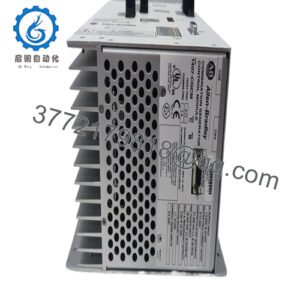
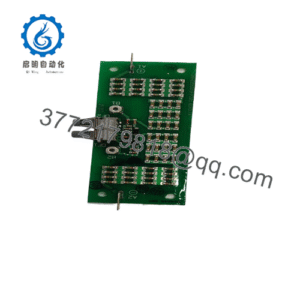
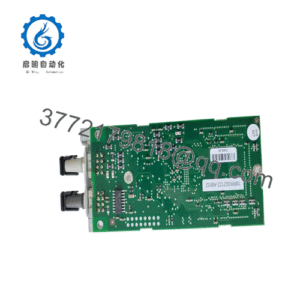
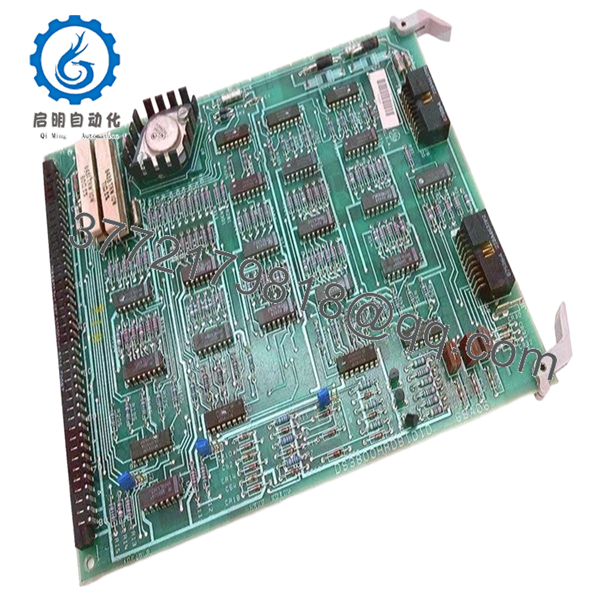
The GE DS3800HRDB1D1D is a specialized High-Resolution Data/Display Board utilized across legacy GE Speedtronic turbine control platforms. It functions as a critical bridge between the central processor and the data visualization or communication subsystems. This module is responsible for the rapid processing of complex signal data into a format usable by the system’s operator interface or upper-level networks.
From an inventory management perspective, the DS3800HRDB1D1D is a “high-risk” obsolete part. Because these boards contain aging integrated circuits and EPROMs, purchasing them as New Surplus is the only way to guarantee maximum remaining service life. Refurbished units frequently suffer from “logic drift” or thermal damage that isn’t visible during a simple power-on test. By holding New Surplus inventory, plant managers avoid the prohibitive costs of unplanned downtime, which can reach tens of thousands of dollars per hour, compared to the minor carrying cost of a genuine spare.
5. Installation & Configuration Guide
- Stage 1: Pre-Installation (Prep & Safety): Ensure the control cabinet is completely de-energized using LOTO. Mandatory: Wear a grounded ESD wrist strap to protect the onboard logic chips. Take clear photos of all jumper settings and existing socketed PROMs on the old board.
- Stage 2: Removal: Carefully disconnect all ribbon cables and wiring harnesses. Loosen the retaining screws and slide the board out of its rack guides, taking care not to snag the backplane connectors.
- Stage 3: Installation (Clone & Seat): If your original board contains custom PROM chips, carefully transfer them to the new DS3800HRDB1D1D using a dedicated IC puller. Match all jumper positions exactly. Slide the board into the rack and seat it firmly into the backplane.
- Stage 4: Power-On & Testing: Once the cabinet is re-energized, check the system diagnostic screen for “Board Healthy” status. Verify that high-resolution data is populating the HMI correctly and that no “Communication Timeout” errors are present.

- DS3800HRDB1D1D
6. Firmware/Software Versions & Upgrade Notes
The DS3800HRDB1D1D is a complex logic board that often depends on the specific firmware version installed in its socketed PROMs.
- Firmware Porting: In most cases, the hardware is “blank” and requires the PROMs from your specific site configuration to function. Ensure these chips are handled with extreme care during the hardware swap.
- Revision Impact: The “B1D1D” revision indicates specific component upgrades for noise immunity. While typically backward compatible with “B1D” base versions, always verify the jumper map as pin assignments can occasionally vary between revisions.
7. Frequently Asked Questions (FAQ)
What makes the DS3800 series different from the DS200 series?
The DS3800 series typically represents earlier generations or specialized communication/data-heavy boards used in the Mark IV and the transition to Mark V. They often feature larger footprints and more discrete logic components compared to the more integrated DS200 series.
Why is New Surplus essential for this specific board?
This board relies on many vintage integrated circuits that have a finite number of thermal cycles. A refurbished board has already “used up” a significant portion of its life. New Surplus gives you the full, original MTBF (Mean Time Between Failures).
Are the socketed EPROMs included?
New Surplus boards are typically supplied without site-specific software PROMs. You should transfer your existing PROMs to the new board or ensure you have the original binary files to burn new chips.
Can this board be hot-swapped?
No. Swapping the DS3800HRDB1D1D while the rack is powered can cause an electrical arc across the backplane pins, potentially destroying the new board and the backplane itself.
How do I confirm the revision level?
The revision (B1D1D) is etched or stamped on the side of the PCB. It is critical that you match this revision or confirm compatibility with your system’s software version before installation.