 WhatsApp: +86 16626708626
 Email:
  Phone: +86 16626708626
Description
3. Key Technical Specifications
| Parameter | Value |
| Product ID | DS3800HSAA1T1M |
| System Series | Speedtronic Mark IV |
| Board Acronym | HSAA |
| Revision Number | 1T1M (Specific Revision) |
| Mounting Style | Rack-mounted (Slide-in) |
| Connector Type | Edge-card connectors and Pin headers |
| Operating Temp | 0 to 55°C (32 to 131°F) |
| Dimensions | Standard Mark IV Form Factor |
| I/O Support | Auxiliary Analog/Digital processing |
4. Product Introduction
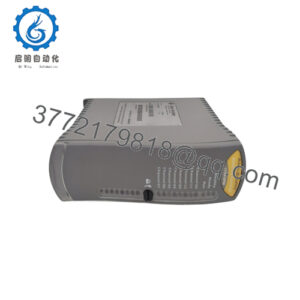
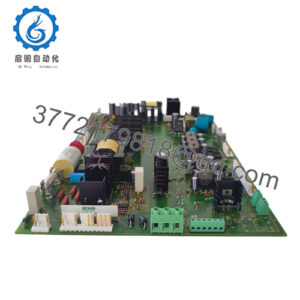
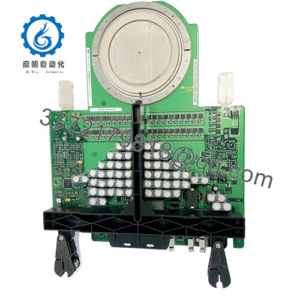
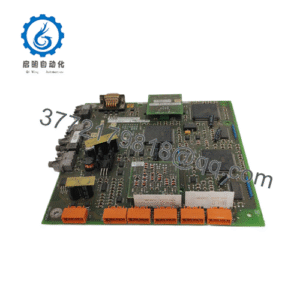
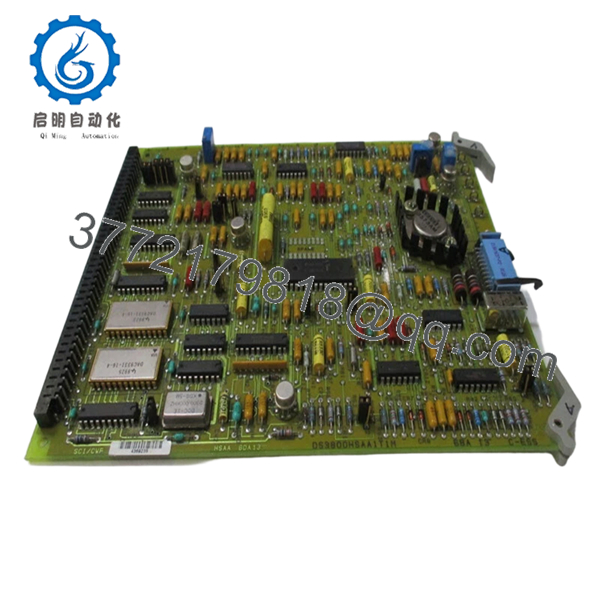
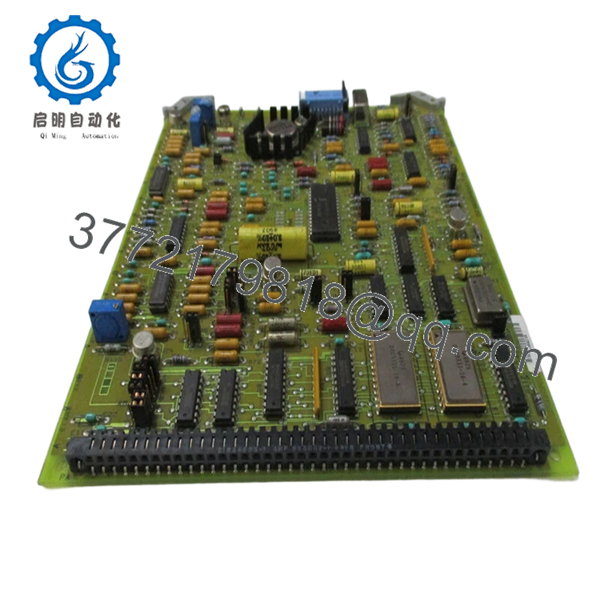
The GE DS3800HSAA1T1M is a legacy auxiliary I/O board engineered specifically for the Speedtronic Mark IV turbine control system. As one of the earlier iterations of GE’s sophisticated turbine management, this board manages localized signal processing, ensuring that field data is correctly interpreted by the control processors.
Despite its age, the DS3800HSAA1T1M remains a vital component for aging gas and steam turbine fleets. The “1T1M” revision suffix is critical, as it denotes specific hardware modifications designed for stability in high-vibration industrial environments. This board is typically utilized in the Mark IV’s localized control racks to handle specialized feedback loops that are not covered by standard digital input cards.

- DS3800HSAA1T1M
5. Installation & Configuration Guide
Stage 1: Pre-Installation Preparation (Estimated Time: 15 mins)
- ⚠️ Safety First: Mark IV systems are often “live” in high-voltage cabinets. Ensure all power to the target rack is isolated. Notify the control room that a “Control Fault” or “Processor Loss” alarm will be generated.
- Tools Required: ESD wrist strap, needle-nose pliers (for jumpers), and a non-conductive card puller if the rack is tight.
- Data Backup: Unlike modern systems, Mark IV configuration is largely hardware-based. Document every jumper setting on the original board.
Stage 2: Removing the Old Module (Estimated Time: 5 mins)
- Ground yourself using an ESD strap.
- Carefully pull the board from the rack using the plastic pull-tabs.
- If there are ribbon cables attached to the front or side of the board, label them clearly before disconnecting.
- ⚠️ Note: Inspect the edge connectors on the old board for “burnishing” or dark spots, which may indicate a backplane issue that could damage the new board.
Stage 3: Installing the New Module (Estimated Time: 10 mins)
- Configuration Clone: Compare the DS3800HSAA1T1M “New Surplus” board with your old unit. Move all jumpers to the exact same positions.
- Align the board with the rack guides.
- Slide the board in firmly until the edge connectors seat completely into the backplane. You should feel a distinct “thud” when it seats.
- Reattach any front-facing ribbon cables.
Stage 4: Power-On & Testing (Estimated Time: 10 mins)
- Apply power to the rack.
- Monitor the Mark IV diagnostic LEDs. A healthy HSAA board should not trigger a “Card Fault” light on the master diagnostic panel.
- Verify the associated I/O points on the operator display to ensure signal integrity.
- ⚠️ Troubleshooting Note: If the board is unrecognized, reseat the card. Oxidation on the backplane of legacy Mark IV systems is common; a clean reseat often solves communication issues.
6. Frequently Asked Questions (FAQ)
Q: Can I use a DS3800HSAA board without the “1T1M” suffix?
A: In the Mark IV world, revisions matter. While a standard HSAA board might fit the slot, the “1T1M” revision often includes specific resistor values or timing capacitors required for your specific turbine’s control sequence. I’ve seen “close enough” boards cause intermittent signal drifting that is a nightmare to troubleshoot at 2 AM. Stick to the exact suffix.
Q: Is this board “New Original” or “Refurbished”?
A: We supply this as New Surplus. This means the board has never been commissioned in a system, though it may have been manufactured some time ago. It is functionally superior to “Refurbished” boards, which have already endured thousands of thermal cycles.
Q: Why is my Mark IV showing a “BTM” (Backplane Terminal Mismatch) after install?
A: This usually happens if a jumper was missed during the configuration clone. The HSAA board tells the system what it is through hardware encoding (jumpers). Double-check your J-settings against the photo you took of the old board.
Q: Does this board require software “firmware” loading?
A: No. The Mark IV is a hardware-intensive system. The DS3800HSAA1T1M is “plug-and-play” once the physical jumpers and DIP switches are set correctly.
Q: Why is the price for these legacy boards increasing?
A: GE stopped manufacturing Mark IV components years ago. The global supply of “New Surplus” DS3800 series boards is finite. As plants continue to run these reliable turbines, the remaining unused stock becomes harder to source. It’s a simple case of supply and demand for critical infrastructure.