 WhatsApp: +86 16626708626
 Email:
  Phone: +86 16626708626
Description
3. Key Technical Specifications
| Parameter | Value |
|---|---|
| Product Model | DS3800HSCA |
| Manufacturer | GE |
| Platform | Mark IV Speedtronic |
| Product Type | High-Speed Control Board |
| Mounting Method | Rack / Backplane Mounted |
| Application | Gas and Steam Turbine Control |
| Communication Interface | Proprietary GE Control Bus |
| Operating Environment | Industrial Control Cabinet |
| Input Voltage | System backplane supplied |
| PCB Construction | Multi-layer industrial-grade PCB |
| Condition Status | New Surplus / OEM Original |
| Lifecycle Status | Obsolete / Limited Availability |
| Packaging | ESD-safe anti-static packaging |
| Quality Verification | Functional power-on and communication tested |
4. Product Introduction & Supply Chain Strategy
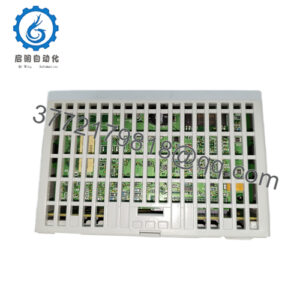
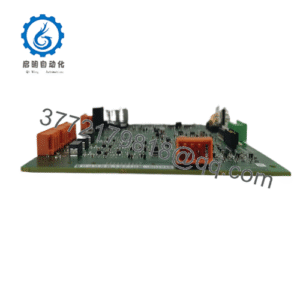
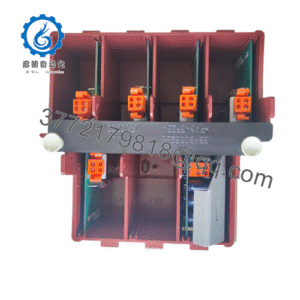
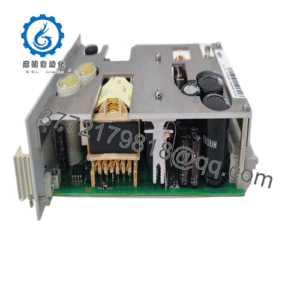
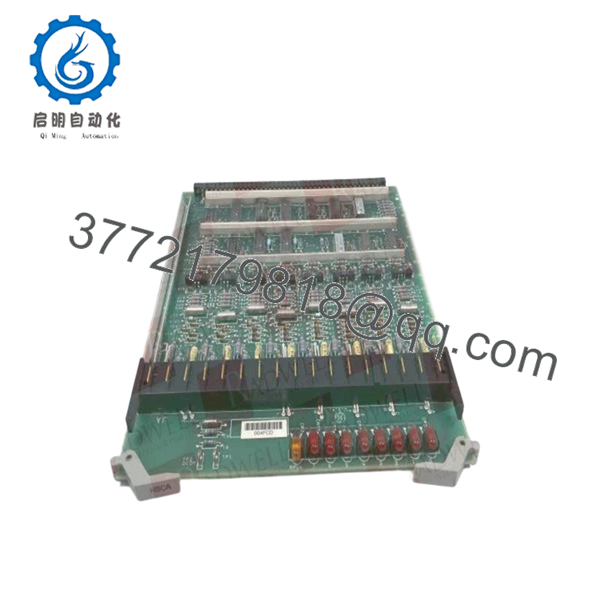
The GE DS3800HSCA is a Mark IV turbine control board used in legacy Speedtronic systems for high-speed signal processing and control coordination in power generation environments.
Maintaining New Surplus inventory for this module reduces exposure to EOL stock-outs and emergency downtime. Refurbished boards often contain aged capacitors and undocumented repairs that increase failure risk. Strategic buffer stock lowers Total Cost of Ownership (TCO) by preventing forced shutdowns and unstable lead time variability.

- DS3800HSCA
5. Installation & Configuration Guide
Stage 1: Pre-Installation (Prep & Safety)
- Apply lock-out/tag-out procedures before opening the control cabinet.
- Wear a grounded ESD wrist strap during all handling activities.
- Photograph existing DIP switch positions, jumper settings, and terminal wiring before removal.
- Verify cabinet 24 V DC stability and ensure at least a 20% power supply buffer.
- Prepare insulated extraction tools and anti-static storage materials.
Stage 2: Removal
- Disconnect cabinet power completely.
- Release retaining clips carefully without twisting the PCB.
- Pull the board evenly from the backplane to avoid bent connector pins.
- Inspect the mating connectors for oxidation or carbon tracking.
Stage 3: Installation (Clone & Seat)
- Replicate all DIP switch and jumper settings exactly from the original board.
- Align the PCB guides before insertion.
- Seat the module firmly and evenly into the backplane connector.
- Tighten retaining hardware without over-torqueing.
Stage 4: Power-On & Testing
- Measure 24 V rails for shorts before energizing the cabinet.
- Apply power and monitor RUN and ERR indicators.
- Confirm communication handshake with the Mark IV processor rack.
- Download or verify logic configuration if required by the application.
- Observe the turbine control loop for abnormal alarms or scan delays.
6. Firmware/Software Versions & Upgrade Notes
- Recommended deployment should match the firmware revision of the existing Mark IV rack architecture.
- Always document the original firmware version before hardware replacement.
- Firmware mismatches between control cards can trigger communication timeout faults or synchronization errors.
- Some legacy Mark IV systems using older GE driver packages may not recognize later firmware revisions without workstation updates.
- Avoid unnecessary firmware upgrades during emergency replacement situations. Hardware swaps should prioritize configuration replication and operational recovery.
- Downgrading firmware without validating EEPROM compatibility can corrupt startup parameters or disable communication initialization.
- Back up all configuration data and maintain a documented DIP switch archive before commissioning.
7. Frequently Asked Questions (FAQ)
Q1: Is this unit really new and not refurbished?
Yes. This is a Brand New Surplus unit. It is not used, not pulled from a decommissioned plant, and not refurbished. The module shows zero solder rework, zero backplane wear, and undergoes OEM-level QC verification before shipment.
Q2: Why is the price higher than refurbished inventory?
Refurbished boards typically contain aged relays, capacitors, or undocumented component replacements. A lower purchase price can create substantially higher downtime costs later. New Surplus inventory provides longer expected service life, stronger reliability, and lower operational risk.
Q3: Why is this cheaper than buying directly from OEM channels?
The pricing reflects globally sourced New Surplus inventory rather than current OEM production. This structure allows plants to secure genuine OEM hardware at lower cost than factory direct procurement while maintaining authenticity and traceability.
Q4: Is the GE DS3800HSCA considered obsolete?
Yes. The module belongs to the legacy Mark IV platform and is considered obsolete in many industrial facilities. Strategic stocking and last-time-buy planning are recommended to prevent emergency procurement situations.
Q5: Can this module be hot-swapped?
No. Hot-swapping is not recommended unless the exact cabinet architecture explicitly supports it. Removing the board under power can damage the backplane, corrupt communications, or trigger turbine trips.
Q6: Does the board retain programming after replacement?
Operational logic typically resides within the system architecture rather than the individual PCB. However, switch settings, addressing, and firmware compatibility must match the original hardware exactly.
Q7: What warranty coverage is included?
New Surplus inventory typically includes a 12-24 month warranty depending on project requirements and shipment region. Each module includes serial traceability, QC records, and ESD-safe packaging documentation.