 WhatsApp: +86 16626708626
 Email:
  Phone: +86 16626708626
Description
Key Technical Specifications
- Model: DS3800HSCG1E1F
- Brand: GE General Electric
- Series: Mark IV Speedtronic
- Module Type: High-level isolator board
- Connector: 1 x 34-pin connector
- Jumpers: 8 onboard jumpers
- Trim Component: 1 trimmer resistor
- Form Factor: Board-mounted industrial control module
- Application: Signal isolation in Mark IV control systems
- Typical Operating Temperature: 0 C to 55 C
- Storage Temperature: -40 C to 70 C
Product Introduction
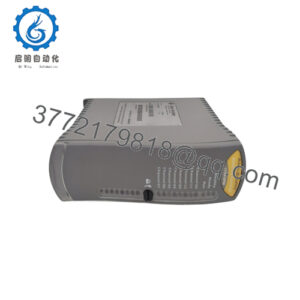
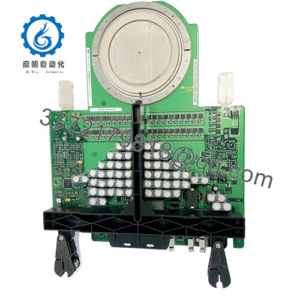
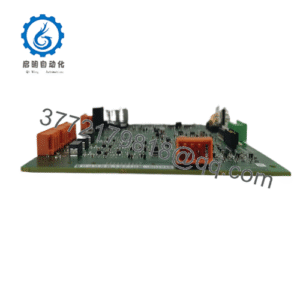
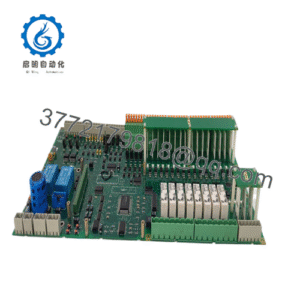
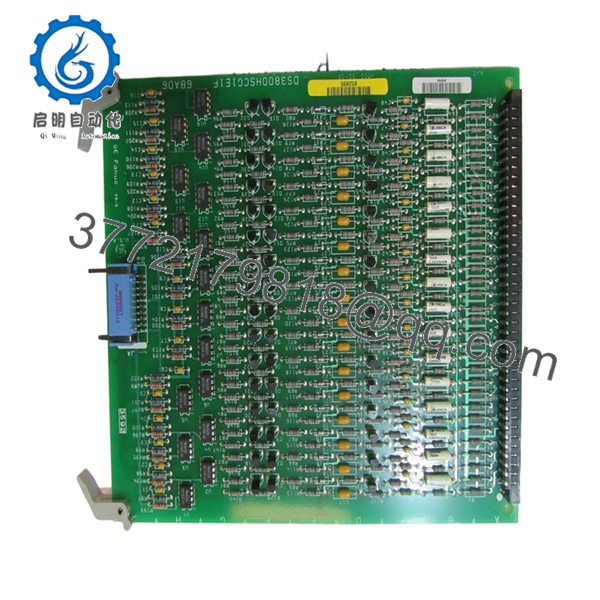
GE DS3800HSCG1E1F is a Mark IV Speedtronic high-level isolator board used in industrial control and turbine-related signal handling. It sits in legacy GE control hardware where clean signal separation and board-level interface reliability matter.
Buyers usually choose it as a direct replacement for failed or missing DS3800HSCG1E1F boards. The 34-pin interface, jumper settings, and trimmer resistor make exact configuration matching important before installation.
Troubleshooting Quick Reference
| Symptom | Possible Cause | Relevance to this Part | Quick Check Method | Recommendation |
|---|---|---|---|---|
| No channel response after swap | Wrong jumper or trim setting | ✅ High | Compare all 8 jumpers and trimmer position against the removed board | Mirror the original configuration before blaming the board |
| Signal reads but is unstable | Loose 34-pin connection | ✅ High | Reseat the connector and inspect pins for bending or oxidation | Clean and reseat before replacement |
| Inputs appear isolated but dead | Upstream field wiring fault | ❌ Low | Measure signal at the cabinet terminal strip with a multimeter | Check wiring and field devices first |
| Board does not power or pass signals | Backplane or rack issue | ❌ Low | Verify rack power and adjacent module status LEDs | Confirm rack health before ordering a replacement |
| Intermittent faults after warm-up | Cracked solder joint or aged component | ✅ Medium | Run the system under load and tap-test carefully for dropout | Consider replacement if faults follow the board |
| New board behaves differently than old one | Revision mismatch or wrong setting | ✅ High | Photograph the old board and compare every jumper and connector detail | Do not install by memory |
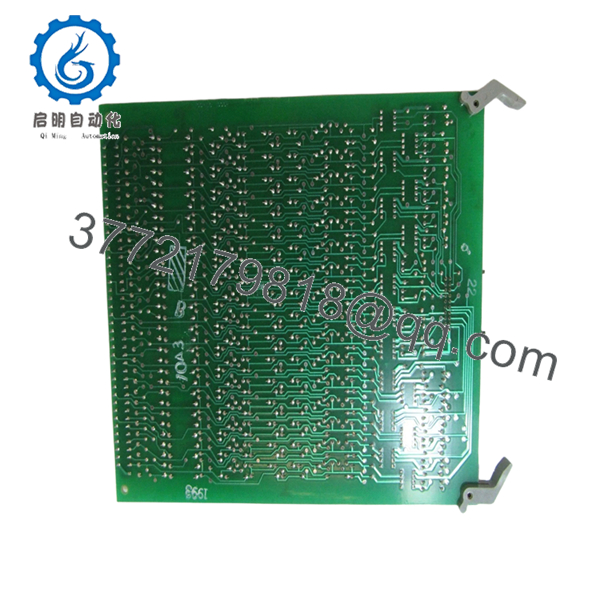
If you are stuck, send technical support clear photos of the front and back of the board, the connector side, and any diagnostic logs from the rack.

- DS3800HSCG1E1F
- DS3800HSCG1E1F
Frequently Asked Questions
Q: Is the DS3800HSCG1E1F still available?
A: It is typically sold as legacy surplus stock, not current-production OEM inventory. Availability can change fast because Mark IV parts are tied to installed-base demand.
Q: Is this a direct replacement for every DS3800HSCG1E1F board?
A: Usually yes, but verify the jumper layout, connector orientation, and any site-specific configuration before installing it. With older GE boards, the part number alone is not always enough.
Q: Can I hot-swap this module?
A: No. Treat it as a powered-down service item unless your OEM documentation clearly says otherwise. Pulling it live can damage the backplane or the board.
Q: Will my existing settings transfer automatically?
A: No, not unless the board and rack design explicitly preserve them. Take photos of every jumper and trimmer position on the old unit before removal.
Q: Why is surplus pricing lower than factory pricing?
A: Because this is legacy inventory, not fresh OEM production. Pricing is usually lower due to age, sourcing channel, and the fact that the part is no longer mainstream stock.
Q: What condition should I expect?
A: Most listings for this part are sold as new surplus, refurbished, or tested used. Confirm the exact condition, test method, and warranty before purchase.
Q: What is the main installation risk?
A: The biggest risk is configuration mismatch, not a dead board. On this family, jumper settings and connector handling matter more than people expect.