 WhatsApp: +86 16626708626
 Email:
  Phone: +86 16626708626
Description
3. Key Technical Specifications
| Parameter | Value |
|---|---|
| Manufacturer | GE General Electric |
| Model Number | DS3800HSQD1J1G |
| Product Family | Speedtronic Mark IV |
| Product Type | Control / Signal Processing PCB |
| Mounting Method | Rack-mounted PCB assembly |
| Application | Gas and steam turbine control systems |
| Communication Interface | Backplane bus interface |
| PCB Coating | Conformal coated |
| Operating Temperature | 0 °C to +60 °C typical cabinet environment |
| Storage Temperature | −40 °C to +85 °C |
| Power Requirement | Supplied through Mark IV rack backplane |
| Firmware Dependency | Must match installed Mark IV system revision |
| Connector Type | Edge-card backplane connector |
| Compliance Reference | IEC 61131 industrial control practices |
| Condition Available | New Surplus / Tested Refurbished |
| Typical Lead Time | 3–7 business days depending on stock |
4. Product Introduction
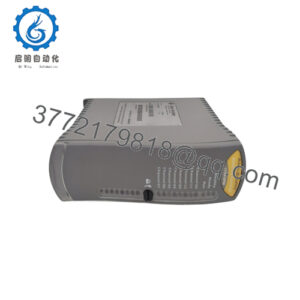
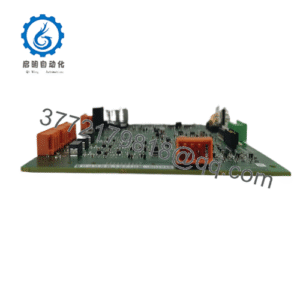
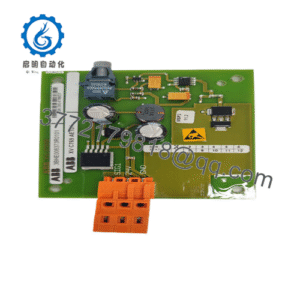
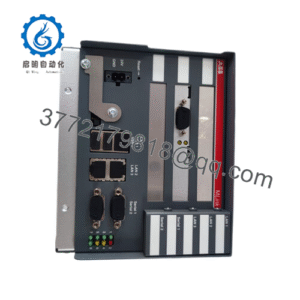
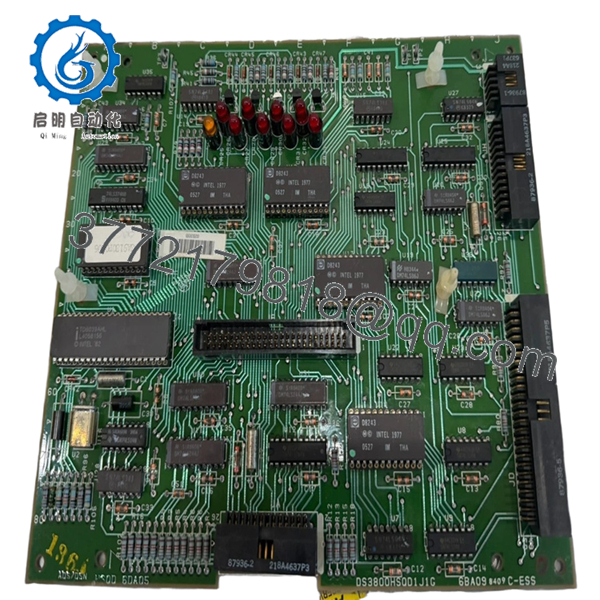
The GE DS3800HSQD1J1G is a control PCB used in GE Mark IV Speedtronic turbine control systems for gas and steam turbine applications. It interfaces with the Mark IV backplane and participates in signal conditioning, processing, and system control functions inside the turbine cabinet.
In field deployments of older Mark IV systems, boards like the DS3800HSQD1J1G are commonly retained to avoid a full migration to Mark VIe or third-party retrofit platforms. Plants typically choose direct replacement boards to minimize outage windows, preserve existing logic, and avoid requalification of legacy turbine protection sequences.

- DS3800HSQD1J1G
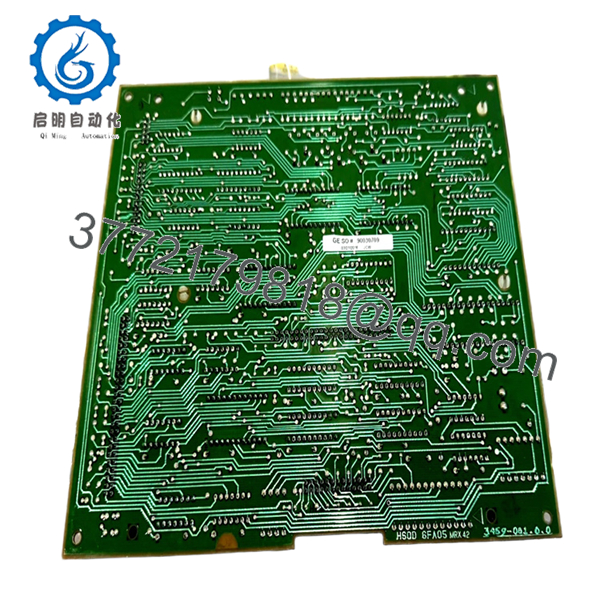
- DS3800HSQD1J1G
5. Installation & Configuration Guide
Stage 1: Pre-Installation Preparation (Estimated Time: 10 Minutes)
⚠️ Safety First
- Notify operations and maintenance teams of the planned outage.
- Verify the turbine is in a safe shutdown state.
- Apply lock out/tag out (LOTO) procedures to all associated power sources.
- Wait at least 5 minutes for cabinet capacitors to discharge fully.
Tools Required
- Grounded ESD wrist strap
- PH1 screwdriver
- Fluke 115 multimeter or equivalent
- Wire labels
- Smartphone or inspection camera
- Flashlight for cabinet inspection
Data Backup
- Export current turbine control configuration if the HMI/software permits.
- Record cabinet slot location and board orientation.
- Photograph all terminal wiring and jumper settings before removal.
- Document cabinet power readings and alarm status.
❗ This step saves hours during restart troubleshooting. I’ve seen techs skip photos because “they’ll remember it.” They never do at 3 AM during a forced outage.
Stage 2: Removing the Old Module (Estimated Time: 5–10 Minutes)
- Remove cabinet covers or front bezels carefully.
- Label and disconnect attached wiring if applicable.
- Release retaining clips or card-lock hardware.
- Pull the board straight out from the rack. Do not twist it.
- Inspect the backplane connector for:
- Bent pins
- Carbon tracking
- Dust accumulation
- Heat discoloration
⚠️ Note
Keep the old module nearby until startup is complete. Even failed boards are valuable references for jumper settings and revision checks.
Stage 3: Installing the New Module (Estimated Time: 10 Minutes)
Installation Steps
- Wear the ESD strap before touching the board.
- Verify the replacement label exactly matches:
- DS3800HSQD1J1G
- Inspect the PCB for shipping damage or cracked solder joints.
- Configuration Clone (Crucial):
- Match all jumpers and switch positions from the original board.
- Verify addressing and termination settings.
- Insert the board evenly into the rack guides.
- Push firmly until fully seated in the backplane connector.
- Reinstall retaining hardware.
- Reconnect field wiring carefully.
Self-Checklist
- Model number matches
- Jumpers copied correctly
- Wiring secured
- Card fully seated
- Retention clips locked
❗ This is the most common rookie mistake: partial seating of the PCB. The board powers up, LEDs flicker, and everyone wastes an hour chasing phantom communication faults.
Stage 4: Power-On & Testing (Estimated Time: 10–15 Minutes)
Pre-Power Check
- Use a multimeter to verify no shorts exist on the 24 V rail.
- Confirm cabinet grounding continuity.
- Verify no tools or loose hardware remain inside the cabinet.
Power-On Steps
- Energize the control rack first.
- Observe board LEDs during boot sequence.
- Green RUN indicators typically indicate normal initialization
- Red FAULT or ERR LEDs indicate startup issues
- Connect engineering software or diagnostics terminal.
- Verify communication with the Mark IV controller.
- Confirm alarm lists are clear.
- Perform dry-run I/O simulation before returning the turbine to service.
⚠️ Troubleshooting Note
If the board fails to communicate immediately, suspect one of these first:
- Firmware revision mismatch
- Incorrect jumper configuration
- Oxidized backplane connector
- Incorrect rack slot location
I’ve seen Mark IV systems reject newer spare boards because the firmware revision differed slightly from the installed control core. One plant lost nearly two days chasing a “bad board” that turned out to be a revision compatibility issue.
Quality Control & Testing Procedure
1. Inbound Inspection & Traceability
Each DS3800HSQD1J1G board undergoes:
- OEM label verification
- Serial number traceability review
- Anti-counterfeit visual inspection
- Inspection for corrosion, repaired traces, UV yellowing, and solder rework marks
- Accessory and packaging verification where available
2. Live Functional Testing
Testing is performed using a genuine GE Mark IV rack environment whenever available.
Procedures include:
- Power-on self-test verification
- Backplane communication handshake testing
- LED diagnostic confirmation
- Simulated signal path verification
- Continuous energized runtime testing exceeding 24 hours with thermal observation
Test photos and startup videos are available upon request.
3. Electrical Parameter Testing
- Insulation resistance test using 500 V Megger
- Ground continuity verification
- Power rail stability measurement using calibrated Fluke instruments
4. Firmware & Configuration Verification
- Installed firmware revision documented where readable
- Jumper and switch settings photographed before shipment
5. Final QC & Packaging
- QC sign-off with inspection date
- Anti-static ESD bag sealing
- Bubble wrap protection
- Heavy-duty corrugated export carton packaging
- QC Passed labeling applied before shipment
6. Frequently Asked Questions (FAQ)
Q1: Can I hot-swap the GE DS3800HSQD1J1G under power?
No. Mark IV systems were not designed for routine hot-swapping of these boards. Pulling the module live can damage the backplane or corrupt communication with adjacent cards. Shut the cabinet down fully before removal.
Q2: Is the DS3800HSQD1J1G obsolete?
Yes. This is an obsolete GE Mark IV series component. OEM factory production ended years ago. Most available inventory today comes from new surplus stock, plant spares, or professionally tested refurbishment channels.
Because of that, stock availability changes constantly.
Q3: Is this genuinely new or refurbished?
Availability varies by inventory batch.
Typical conditions include:
- New Original (unused surplus stock)
- Factory-stored surplus
- Refurbished and fully tested
Always verify the exact condition before purchase. Serious suppliers should provide actual board photos, test reports, and date-coded QC documentation.
Q4: Will I lose turbine logic or configuration when replacing this board?
Usually no, but it depends on how the Mark IV cabinet was configured originally.
Most control logic resides in the primary controller architecture, not on individual interface boards like this one. Still, document all jumper settings and cabinet configuration before removal. Some legacy installations rely heavily on hardware-level configuration.
Q5: What causes replacement boards to fail immediately after installation?
The most common causes are:
- Incorrect jumper settings
- Bent backplane pins
- ESD damage during handling
- Firmware revision mismatch
- Poor cabinet grounding
❗ ESD damage is real. I once watched a technician handle a Mark IV board in dry winter air without a wrist strap. The board powered up once, emitted smoke near the regulator section, and never booted again.
Q6: Is there a newer replacement for the DS3800HSQD1J1G?
There is no simple plug-and-play modern equivalent.
Most plants either:
- Continue maintaining Mark IV spare inventories
- Upgrade to GE Mark VI/Mark VIe platforms
- Perform third-party retrofit migrations
Be careful with migration assumptions. Mark IV-to-Mark VIe upgrades usually require cabinet modifications, logic conversion work, and recommissioning.
Q7: Why are surplus GE Mark IV boards sometimes priced far below OEM historical pricing?
Because OEM production stopped years ago.
Current market pricing depends on:
- Remaining inventory worldwide
- Tested condition
- Firmware revision
- Cosmetic condition
- Whether the board passes live rack testing
Lower price does not automatically mean bad quality. But if a supplier cannot provide test evidence, board photos, or traceability details, treat that as a warning sign.
Keep these checks in mind and you’ll save yourself 90% of typical rework time.