 WhatsApp: +86 16626708626
 Email:
  Phone: +86 16626708626
Description
3. Key Technical Specifications
- System Compatibility: GE Mark IV Speedtronic
- Function Type: Speed/sequence processing board
- Input Signals: Analog (tachometer/speed signals), discrete inputs
- Output Signals: Control logic signals to turbine control system
- Backplane Interface: Proprietary GE Mark IV rack connector
- Operating Voltage: Powered via rack backplane (typically 5 V / 24 V internal rails)
- Operating Temperature: 0°C to +60°C (typical control cabinet environment)
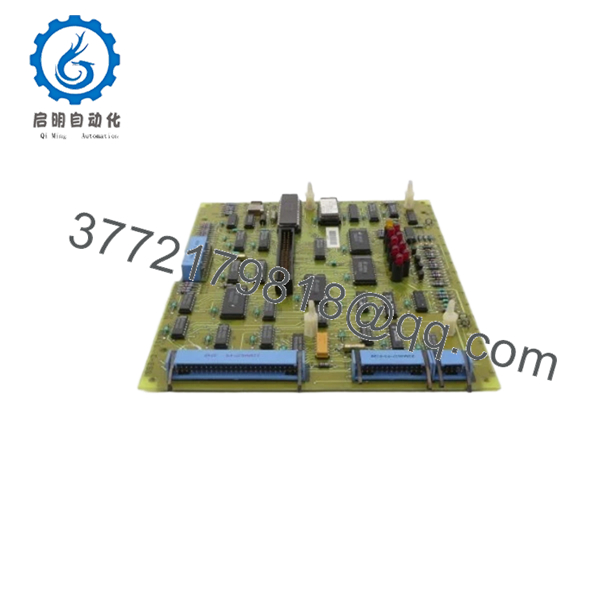
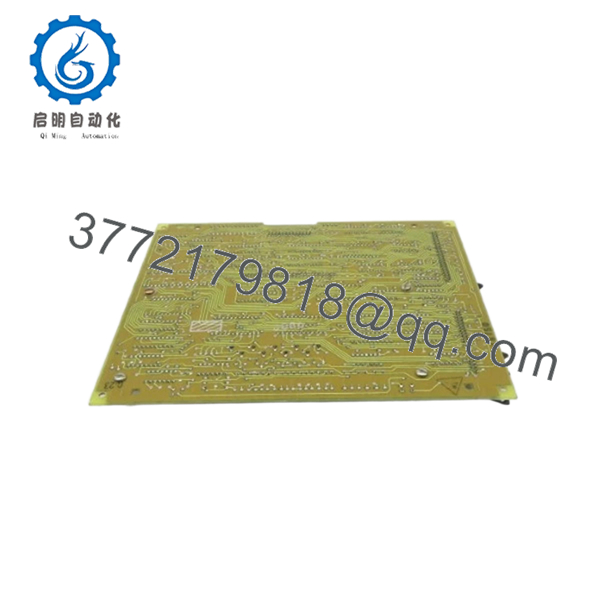
- PCB Type: Multi-layer industrial control board
- Mounting: Slot-in card for Mark IV control rack
- Dimensions: Approx. 12 x 8 inches (standard GE board form factor)
- Weight: ~0.5–1.0 kg
4. Product Introduction
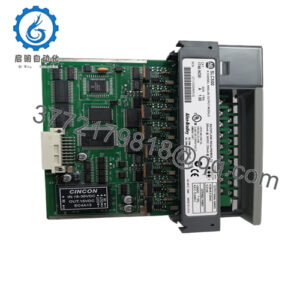
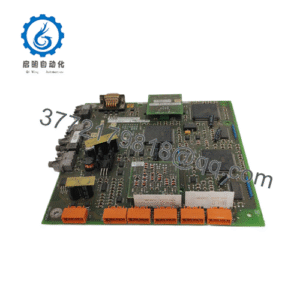
The GE DS3800HSQE1H1H is a control PCB used in the Mark IV Speedtronic turbine control system, responsible for processing speed-related signals and interfacing with turbine protection and sequencing logic. It operates within the Mark IV rack architecture and communicates through GE’s proprietary backplane.
In field deployments, these boards are typically retained for legacy gas or steam turbine systems where full DCS migration is not justified. Engineers choose this module when maintaining existing Mark IV infrastructure due to direct compatibility and avoidance of costly system rewrites.

- DS3800HSQE1H1H
5. Installation & Configuration Guide
Stage 1: Pre-Installation Preparation (Estimated Time: 10–15 min)
- ⚠️ Safety First:
Notify operations, bring turbine to a safe shutdown state, apply lockout/tagout, and wait at least 5 minutes for capacitor discharge. - Tools Required:
ESD wrist strap, flat/PH1 screwdriver, Fluke 115 multimeter, labeling tags, smartphone. - Data Backup:
- Document current system state from HMI
- Photograph existing board position and wiring
- Record rack slot location (critical in Mark IV systems)
Stage 2: Removing the Old Module (Estimated Time: 5–10 min)
- Open control cabinet and locate the Mark IV rack.
- Identify DS3800HSQE1H1H slot position.
- Label any connected wiring or adjacent modules if needed.
- Release retaining clips and carefully pull the board straight out.
- Inspect backplane connectors for bent pins or carbon tracking.
- ⚠️ Note: Keep the original board nearby. You may need it for DIP reference or fault comparison.
Stage 3: Installing the New Module (Estimated Time: 5–10 min)
- Wear ESD protection before handling the PCB.
- Verify exact model: DS3800HSQE1H1H (no suffix mismatch).
- Configuration Check (Critical):
- Compare jumper settings (if present)
- Match any configurable headers or resistor packs
- Insert the board into the same rack slot.
- Apply firm, even pressure until fully seated.
- Secure locking clips.
- Self-Checklist:
[ ] Correct slot
[ ] Fully seated
[ ] No bent pins
[ ] Configurations matched
Stage 4: Power-On & Testing (Estimated Time: 10–15 min)
- Pre-Power Check:
Use a multimeter to confirm no short circuits on supply rails. - Power-On Steps:
- Energize the control rack (leave turbine offline initially).
- Observe system diagnostics (Mark IV panel indicators).
- Verify no fault alarms related to speed input or sequencing.
- Check signal values via HMI or diagnostic interface.
- Perform controlled startup simulation if possible.
- ⚠️ Troubleshooting Note:
- If speed readings are unstable, check tachometer wiring and shielding.
- If no response, suspect backplane connector or incorrect slot placement.
6. Frequently Asked Questions (FAQ)
Q1: Can this board be hot-swapped under power?
No. Mark IV systems were not designed for hot-swapping. Pulling or inserting the board live can damage the backplane or adjacent modules. Always power down.
Q2: Is the DS3800HSQE1H1H obsolete?
Yes. Mark IV systems are long discontinued. Most available units are New Surplus or refurbished. Stock is limited and inconsistent.
Q3: Is this a direct replacement for all DS3800HSQE variants?
Not necessarily. GE used multiple revisions with subtle functional differences. Always match the full model number, including suffix (H1H1H). Verify against your system documentation.
Q4: Will I lose any configuration or logic when replacing this board?
No onboard logic is stored on this PCB. Mark IV logic resides in the main control processors. However, signal calibration or external configuration should still be verified after replacement.
Q5: Why is pricing lower than OEM historical pricing?
These are surplus parts from decommissioned systems or excess inventory. GE no longer manufactures them, so pricing reflects secondary market conditions rather than OEM list pricing.
Q6: How do I verify the board is functional before installation?
Request a test report. A proper supplier should provide:
- Power-on verification
- Signal simulation results
- 24-hour burn-in data
Test videos and bench photos should be available.
Q7: What’s the biggest mistake during replacement?
❗ Installing the board in the wrong slot or assuming all DS3800 boards are interchangeable.
I’ve seen entire turbine startups delayed because someone mixed up adjacent slots. Label everything before removal.