 WhatsApp: +86 16626708626
 Email:
  Phone: +86 16626708626
Description
3. Key Technical Specifications
| Parameter | Value |
|---|---|
| System Compatibility | GE Mark IV Speedtronic |
| Board Function | High Voltage Control / Signal Conditioning |
| Voltage Interface | High-voltage control circuits |
| Control Voltage | 24 V DC (logic level typical) |
| Mounting Type | Rack-mounted PCB |
| Connector Type | Edge connector (backplane interface) |
| PCB Construction | Multi-layer industrial PCB |
| Protection | Conformal coated |
| Operating Temperature | 0 to 60°C |
| Storage Temperature | −40 to +85°C |
| Application | Gas/steam turbine control systems |
| Lifecycle Status | Discontinued / Legacy platform |
4. Product Introduction & Supply Chain Strategy
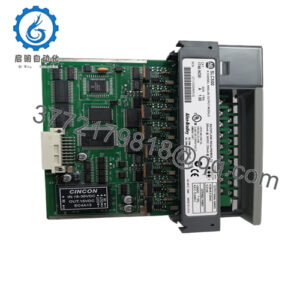
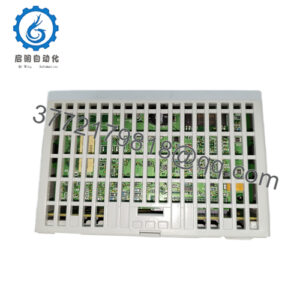
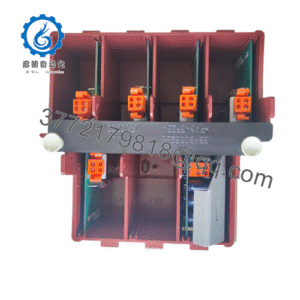
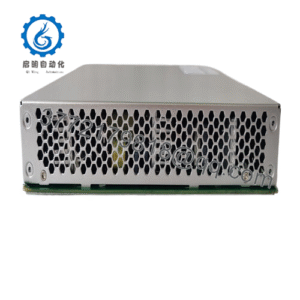
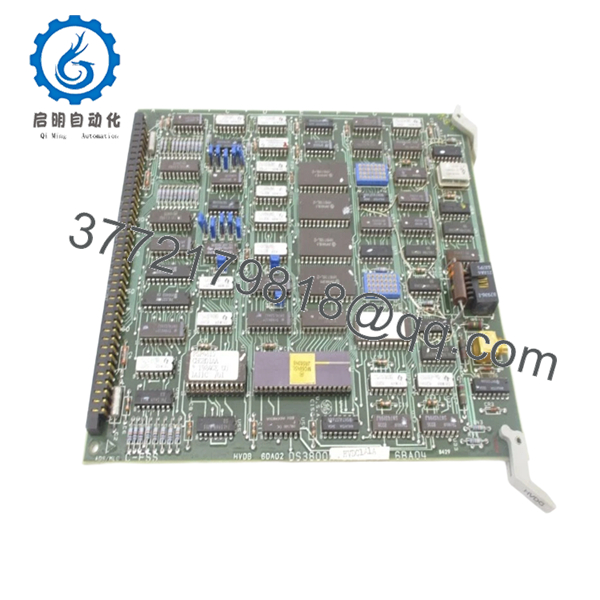
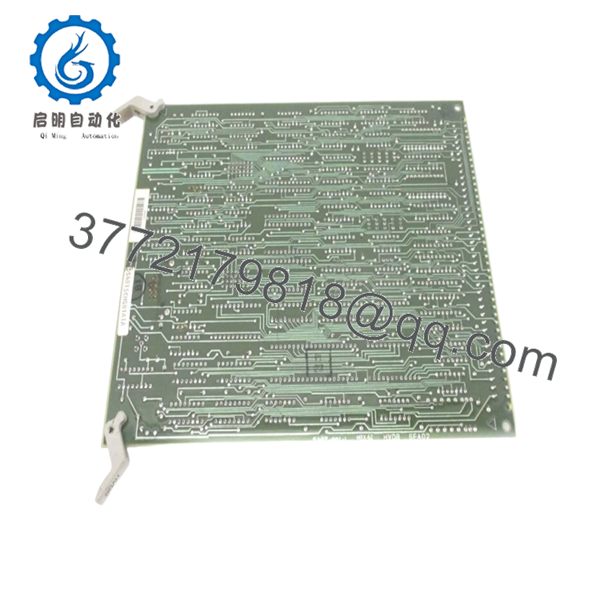
The GE DS3800HVDC1A1A is a high-voltage control board used within the Mark IV Speedtronic turbine control platform. It manages high-voltage signal interfacing and conditioning required for stable turbine operation, including startup, shutdown, and protection logic execution typical in gas and steam turbine systems .
From an inventory strategy perspective, this is an EOL component with zero OEM production and high lead time variability. A planned last-time-buy strategy with defined buffer stock is critical. New Surplus units eliminate the failure risks associated with refurbished electronics and reduce Total Cost of Ownership (TCO) by preventing unplanned outages.
5. Installation & Configuration Guide
Stage 1: Pre-Installation (Prep & Safety)
- Execute full lock-out/tag-out (LOTO) on turbine control system.
- Use ESD protection (grounded wrist strap mandatory).
- Photograph wiring, connectors, and board orientation.
- Confirm correct model and revision before installation.
Stage 2: Removal
- Loosen retaining hardware evenly.
- Extract PCB straight out—avoid twisting.
- Inspect backplane pins for bending or contamination.
Stage 3: Installation (Clone & Seat)
- Match jumper/DIP configurations exactly (if applicable).
- Align with guide rails and insert evenly.
- Ensure full seating into backplane connector.
Stage 4: Power-On & Testing
- Reapply power and monitor current draw on 24 V rail.
- Observe status LEDs (RUN vs ERR conditions).
- Validate system response and HV signal stability.
- Confirm no abnormal alarms in turbine control system.
6. Firmware/Software Versions & Upgrade Notes
- Best Practice: Maintain identical firmware/system configuration during replacement.
- Compatibility Risk: Even minor timing differences in HV control boards can trigger protection faults.
- Upgrade Advisory: Avoid firmware upgrades during hardware swap unless part of a controlled system upgrade.
- Documentation Tip: Record all configuration states before removal to prevent integration errors.

- DS3800HVDC1A1A
7. Frequently Asked Questions (FAQ)
Q1: Is this truly a new unit or old stock?
This product is a Brand New Surplus unit. It is not used, not pulled from a decommissioned plant, and not refurbished. It retains original manufacturing integrity with zero wear.
Q2: Why not choose a lower-cost refurbished board?
Refurbished boards often contain aged components. A hidden capacitor failure can shut down a turbine. Saving 500 upfront can lead to 50,000+ in downtime.
Q3: How critical is this module for operations?
This is a critical spare. Loss of HV control functionality can halt turbine operation. Maintain 1–2 units as buffer stock.
Q4: What is the recommended inventory policy?
- ABC Classification: A-class (high criticality, low availability)
- Min/Max: 1 / 2 units per installed system
- Strategy: Last-time-buy + cross-site sharing
- Vendor Strategy: Vendor consolidation to secure traceable inventory
Q5: Can the board be replaced under power?
No. The Mark IV system requires full shutdown. Hot-swapping risks board damage and system faults.
Q6: What is the lifecycle outlook?
Fully discontinued. No OEM support. Lead times are unpredictable—early procurement is the only risk mitigation.
Q7: What warranty and QC process are included?
Each unit includes 12 month warranty, serial traceability, electrical testing, and full QC documentation including functional validation and ESD-safe packaging.