 WhatsApp: +86 16626708626
 Email:
  Phone: +86 16626708626
Description
3. Key Technical Specifications
| Parameter | Value |
| Input Channels | 2 Independent Frequency Channels |
| Input Source | Passive Magnetic Pickups (MPUs) or Active Proximity Sensors |
| Signal Range | 0 to 15,000 Hz |
| Sensitivity | Low-threshold detection for cranking speed monitoring |
| Isolation | Transformer or Opto-isolation (Site-specific revision) |
| Filtering | Active Band-pass noise rejection |
| Power Supply | +5 VDC / +/- 15 VDC from Mark IV Backplane |
| Board Revision | F1J1G (Enhanced signal stability) |
4. Product Introduction & Supply Chain Strategy
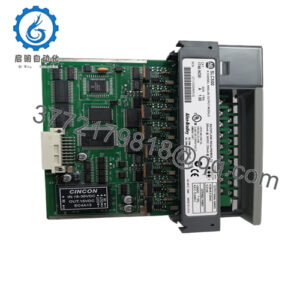
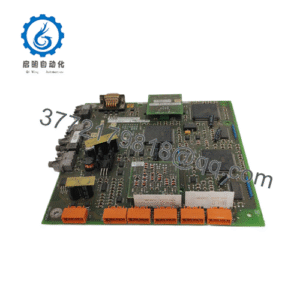
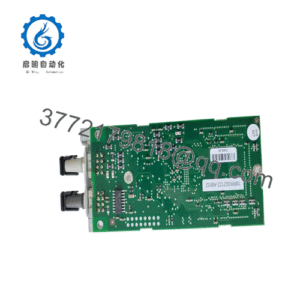
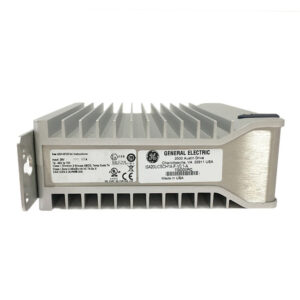
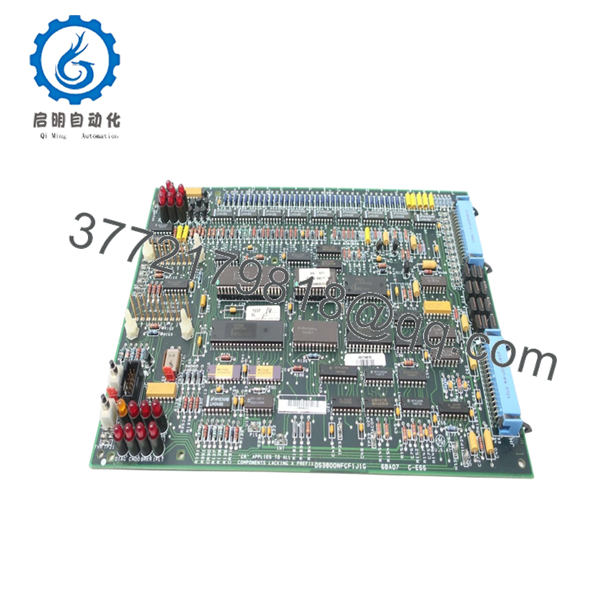
The GE DS3800NFCF1J1G is a critical frequency conditioning module within the Speedtronic Mark IV turbine control system. Its primary role is to monitor turbine shaft speed by processing raw pulses from magnetic pickups. This data is fundamental for fuel regulation, synchronization, and—most importantly—overspeed protection. A failure on this board can result in an immediate emergency trip or a failure to start due to “zero speed” detection errors.
From a supply chain perspective, the DS3800NFCF1J1G is a high-reliability component that should never be sourced as “used.” Frequency boards are sensitive to component aging, particularly the precision resistors and capacitors used in signal timing. Refurbished boards often exhibit “signal drift,” which can lead to erratic governor behavior. Our New Surplus inventory ensures factory-spec timing and signal integrity, providing the deterministic control required for high-speed rotating equipment.
5. Installation & Configuration Guide
- Stage 1: Pre-Installation (Prep & Safety): Ensure the turbine is at zero speed and the unit is on turning gear or stationary. De-energize the control rack. Use an ESD wrist strap. Document the resistance of the field MPUs before connecting to the new board.
- Stage 2: Removal: Loosen the card cage retention screws. Slide the NFCF board out of its slot. Inspect the backplane connectors for any signs of dust or corrosion.
- Stage 3: Installation (Clone & Seat): Check the jumper settings on the new DS3800NFCF1J1G. These jumpers define the input gain and signal threshold levels based on your specific sensor type. Match them exactly to the original board. Seat the board firmly into the backplane.
- Stage 4: Power-On & Testing: Power up the rack and check for “READY” LEDs. During turbine rollout, verify that the speed feedback in the Mark IV interface is stable and matches the redundant speed channels.

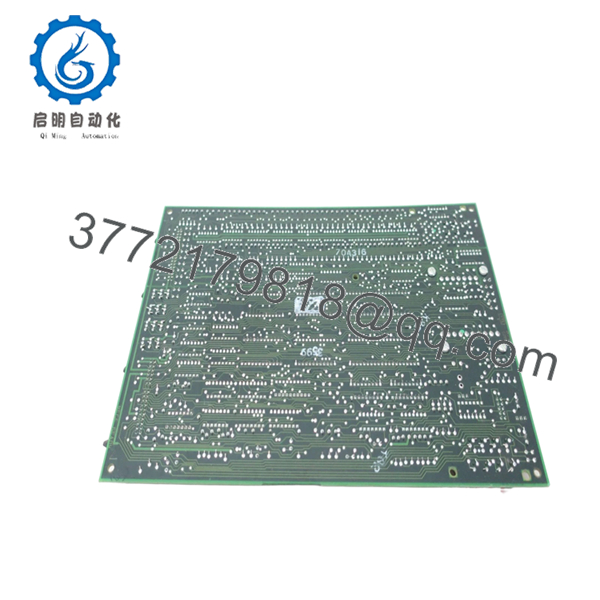
- DS3800NFCF1J1G
- DS3800NFCF1J1G
6. Firmware/Software Versions & Upgrade Notes
The DS3800NFCF1J1G is a hardware-configured analog and digital hybrid. While it does not require a software download, the hardware revision “F1J1G” is the most current and stable iteration. This version features improved noise immunity for low-frequency signals (cranking speed), preventing “signal dropout” during start-up sequences. It is fully backward compatible with earlier NFCF revisions.
7. Frequently Asked Questions (FAQ)
- Can this board monitor both magnetic pickups and proximity probes?
Yes, the board can be configured via on-board jumpers to accept different signal amplitudes and pulse shapes from various sensor types.
- Why is my turbine failing to show RPM during cranking?
This is often caused by a loss of sensitivity on an aging NFCF board. Replacing it with a New Surplus DS3800NFCF1J1G restores the low-signal threshold needed to detect slow rotation during the start cycle.
- Does this board handle the Overspeed Trip logic?
It conditions the speed signal for the microprocessor which executes the trip logic. However, its accuracy is the foundation of the overspeed protection system.
- Is calibration required?
The board is factory-calibrated. However, site-specific loop tuning may be required if your magnetic pickups have non-standard gap settings or pulse counts per revolution.
- What is the difference between New Surplus and Refurbished for this model?
Refurbished boards may have “noisy” signal outputs due to old filter capacitors. New Surplus units use fresh components that meet original OEM signal-to-noise ratio (SNR) standards.