 WhatsApp: +86 16626708626
 Email:
  Phone: +86 16626708626
Description
3. Key Technical Specifications
| Parameter | Value |
|---|---|
| Product Model | DS3800NGRC1D1D |
| Manufacturer | GE |
| Platform | Speedtronic Mark IV |
| Product Type | Regulator Board |
| Primary Application | Gas and Steam Turbine Control |
| PCB Configuration | Multi-layer industrial control PCB |
| Mounting Type | Backplane / Rack Mounted |
| Communication Ports | Multiple onboard communication interfaces |
| Control Functions | Signal regulation and control coordination |
| Operating Environment | Industrial turbine control cabinets |
| Electrical Design | TTL-compatible industrial circuitry |
| QC Verification | Power-on and communication tested |
| Packaging | ESD-safe anti-static packaging |
| Lifecycle Status | Obsolete / Limited Supply Availability |
4. Product Introduction & Supply Chain Strategy
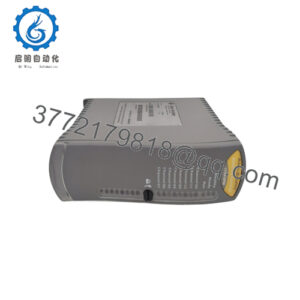
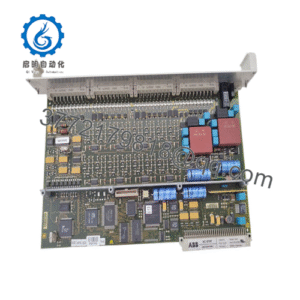
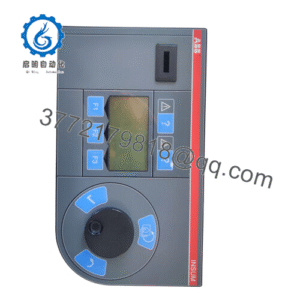
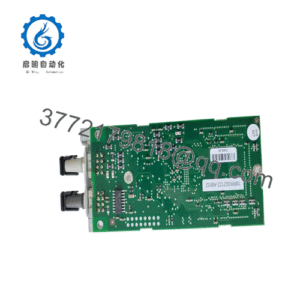
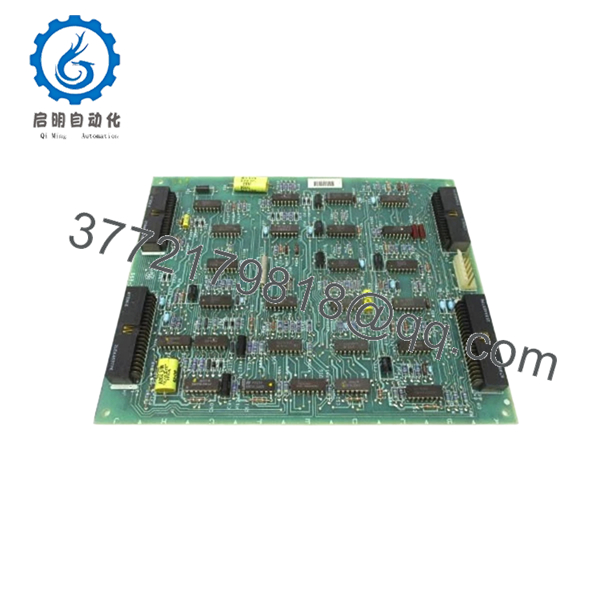
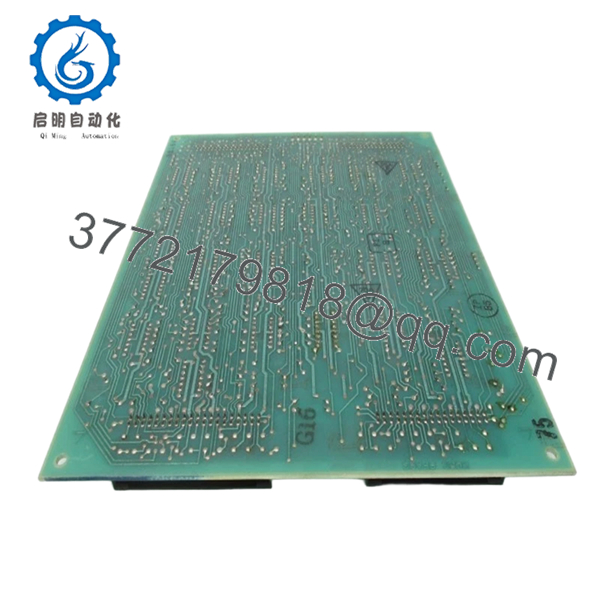
The GE DS3800NGRC1D1D is a regulator board used within GE Speedtronic Mark IV turbine control systems for signal conditioning, regulation logic, and communication between critical control assemblies.
Maintaining New Surplus inventory protects plants from extended downtime caused by obsolete hardware shortages and lead time variability. Refurbished boards often conceal aged components and undocumented repairs that increase failure probability. Strategic stocking lowers Total Cost of Ownership (TCO) by reducing emergency procurement risk and preventing forced shutdown scenarios. Recent market listings show limited remaining inventory and rising replacement pricing across global suppliers.

- DS3800NGRC1D1D
- DS3800NGRC1D1D
5. Installation & Configuration Guide
Stage 1: Pre-Installation (Prep & Safety)
- Apply full lock-out/tag-out procedures before cabinet access.
- Wear a grounded ESD wrist strap during handling.
- Photograph DIP switch positions, jumper settings, and all terminal wiring before removal.
- Record firmware revisions and rack slot positions.
- Verify stable 24 V DC supply voltage with at least 20% spare capacity.
Stage 2: Removal
- Shut down cabinet power completely.
- Release retaining hardware carefully to avoid PCB flex damage.
- Extract the board evenly from the backplane.
- Inspect connector pins for oxidation, bent contacts, or thermal discoloration.
Stage 3: Installation (Clone & Seat)
- Mirror all DIP switch and jumper configurations exactly.
- Align the PCB guides before insertion.
- Seat the regulator board firmly into the backplane connector.
- Secure mounting hardware without excessive torque.
Stage 4: Power-On & Testing
- Test the 24 V rails for shorts before energizing the system.
- Apply power and observe RUN and ERR indicators.
- Verify communication handshake with the Mark IV rack.
- Confirm stable regulation signals and alarm-free operation.
- Monitor turbine startup sequencing for abnormal response delays.
6. Firmware/Software Versions & Upgrade Notes
- The replacement module should match the installed Mark IV firmware architecture whenever possible.
- Always document the original firmware revision before replacing the board.
- Firmware mismatches between regulator cards can trigger communication instability, watchdog alarms, or protocol timeout faults.
- Older GE HMI and diagnostic environments may not fully support later firmware revisions without software patch updates.
- Avoid unnecessary firmware upgrades during emergency shutdown recovery situations.
- Downgrading firmware without EEPROM validation may corrupt stored operating parameters.
- Maintain archived backups of configuration data, jumper settings, and node addressing before commissioning.
7. Frequently Asked Questions (FAQ)
Q1: Is this module genuinely new surplus inventory?
Yes. This product is a Brand New Surplus unit. It is not used, not pulled from a decommissioned plant, and not refurbished. Each board undergoes serial verification, visual inspection, and functional QC testing before shipment.
Q2: Why does New Surplus inventory cost more than refurbished boards?
Refurbished regulator boards often contain aged capacitors, repaired traces, or undocumented component substitutions. Plants may save a few hundred dollars upfront but risk major downtime losses later. New Surplus inventory provides longer expected operational lifespan and lower failure exposure.
Q3: Why should plants stock obsolete Mark IV boards now?
The DS3800NGRC1D1D belongs to an aging legacy platform with shrinking global inventory. Waiting until a production failure occurs usually means longer lead times, expedited freight costs, and emergency sourcing premiums. Strategic buffer stock reduces stock-out incidents and stabilizes maintenance planning.
Q4: Can this board be hot-swapped?
No. Hot-swapping is not recommended unless the turbine control architecture specifically supports live replacement procedures. Removing the module under power can damage the backplane or trigger turbine trips.
Q5: What hidden risks exist with refurbished control boards?
We recently observed a processing facility install a refurbished regulator module to reduce procurement cost. Within months, internal capacitor degradation caused intermittent control faults and a forced shutdown event. The downtime cost exceeded the original savings by more than tenfold.
Q6: Does the board retain application programming?
Core turbine logic normally resides within the system architecture, but hardware addressing, jumper settings, and firmware compatibility must exactly match the original installation.
Q7: What warranty and traceability are included?
New Surplus inventory typically includes a 12 month warranty depending on project scope. Units include serial traceability, QC verification records, and ESD-safe packaging documentation.