WhatsApp: +86 16626708626
 Email:
  Phone: +86 16626708626
Description
Key Technical Specifications
- Manufacturer: GE (Embedded / Mark VI platform)
- Model: EPCDFBA (EPCDFBA#219 B2 variant)
- Product Type: Embedded control and communication module
- Series: Mark VI / Mark VIe turbine and industrial control systems
- Processor: Embedded microcontroller / microprocessor (up to ~100 MHz class)
- Power Supply: 9–30 VDC (wide-range industrial input)
- Power Consumption: Low-power embedded module (typical <5 W; exact value depends on configuration)
- Communication Protocols:
- Modbus (RTU/TCP)
- Ethernet/IP (for integration with Allen-Bradley / Rockwell systems)
- Data Processing Rate: Up to 100 MHz (embedded CPU class)
- I/O Interface: Embedded digital/analog and serial interfaces (application-dependent; typically used via backplane or terminal boards in Mark VI racks)
- Operating Temperature: −40 to +85 °C (industrial grade)
- Storage Temperature: −40 to +85 °C (typical for embedded industrial modules)
- Mounting: DIN-rail or rack-mounted embedded module (Mark VI chassis / backplane integration)
- Enclosure / Protection: IP20 (cabinet-mounted, indoor use)
- Dimensions: Approx. 15.2 × 10.5 × 3.8 cm (module-only; varies by mounting hardware)
- Weight: ~0.4 kg (module-only)
Product Introduction
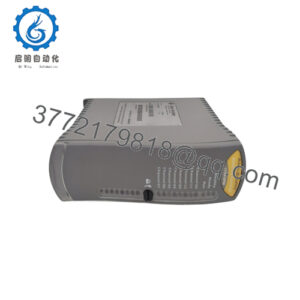
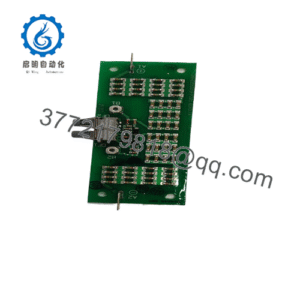
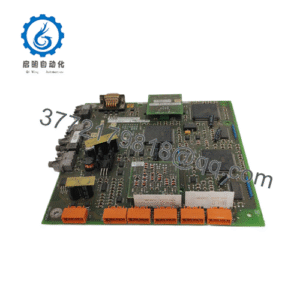
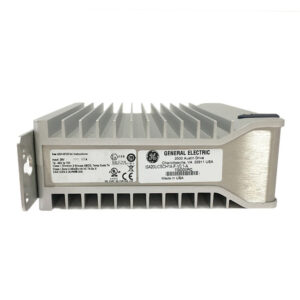
The GE Embedded EPCDFBA (including EPCDFBA#219 B2) is a Mark VI/Mark VIe-era embedded control and communication module used in GE turbine and industrial control systems. It provides Ethernet and Modbus connectivity plus embedded processing for data acquisition, sequencing, and interfacing between Mark VI controllers and higher-level SCADA/DCS or PLC networks.
This module is typically kept in service on legacy Mark VI installations where the control architecture, backplane, and I/O wiring are already engineered around GE’s embedded platform. Replacing a failed unit with an identical EPCDFBA avoids re-architecture and extensive re-commissioning that a migration to a new DCS would require.
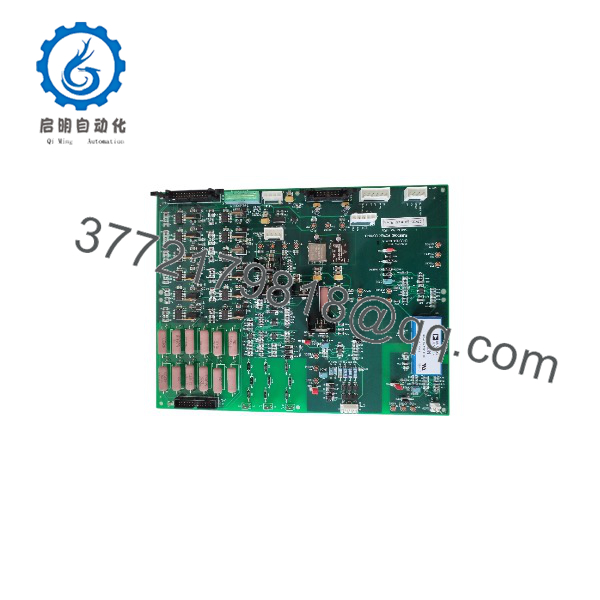
EPCDFBA
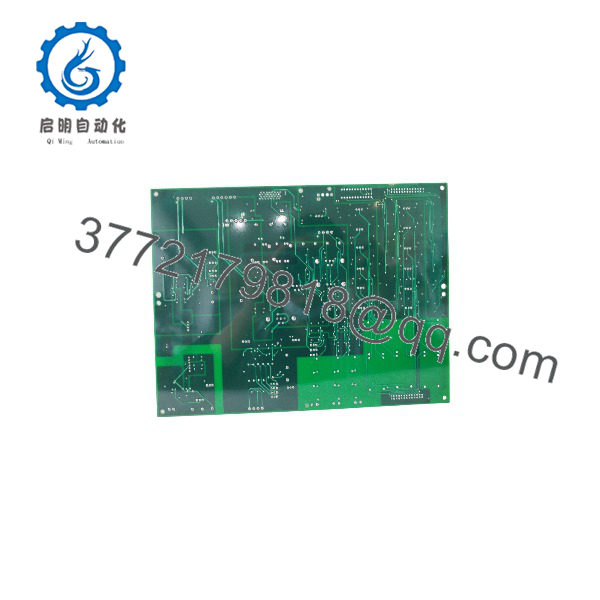
EPCDFBA
Troubleshooting Quick Reference
| Symptom | Possible Cause | Relevance to this Part | Quick Check Method | Recommendation |
|---|---|---|---|---|
| Module dead, no LEDs | 9–30 VDC supply missing, reversed polarity, or blown fuse | ✅ High | Measure DC voltage at module power terminals; verify polarity and upstream fuse/breaker | Restore correct 9–30 VDC and check protection devices before blaming the module |
| No Ethernet link / comm fail | Wrong IP/subnet/gateway, bad cable, or port fault | ✅ High | Ping module IP; check link LEDs on switch; swap Ethernet cable; verify IP config in engineering tool | Correct network settings and cabling first; then suspect hardware |
| Modbus timeouts to master | Wrong baud/address (if serial), wiring, or termination issues | ✅ Medium | Verify Modbus address, baud, parity; check RS-485 wiring and termination resistors | Fix comms parameters and wiring; test with known-good master |
| Data values stale or erratic | CPU fault, watchdog trip, or corrupted configuration | ✅ Medium | Review diagnostics in Mark VI toolset; check for fault codes and watchdog status | Reload known-good configuration; if faults persist, replace module |
| Module works but I/O not updating | Backplane or terminal-board issue, not the embedded module itself | ❌ Low–Medium | Check other modules on same backplane; verify terminal board wiring and fuses | Focus troubleshooting on I/O racks and terminal boards, not just the EPCDFBA |
If you are unsure, photograph the nameplate (EPCDFBA and variant), power and comms wiring, and any fault logs from the Mark VI toolset, then share system details with technical support.
Frequently Asked Questions (FAQ)
Q: What is the EPCDFBA actually used for?
A: It is an embedded control and communication module in GE Mark VI/Mark VIe systems, providing Ethernet/Modbus connectivity and processing for turbine and industrial control applications—not a general-purpose PLC.
Q: What voltage does it need?
A: The documented range is 9–30 VDC. Always verify the nameplate and site wiring before applying power, especially when replacing older modules where supply conventions may differ.
Q: Does it support both Modbus and Ethernet/IP?
A: Yes. Typical documentation lists Modbus (RTU/TCP) and Ethernet/IP, allowing integration with both GE Mark VI controllers and Allen-Bradley / Rockwell networks.
Q: Can I use this in a non-GE system?
A: Technically it has comms and processing, but it is engineered for Mark VI backplanes and toolchains. For non-GE systems, a standard PLC or embedded controller is usually a better fit; this module is best used as a like-for-like Mark VI replacement.
Q: Is this still a current-production product?
A: No. The EPCDFBA is a legacy Mark VI component. It is sourced as surplus, refurbished, or repaired stock for existing installations. Treat it as a discontinued spare.
Q: What is the difference between EPCDFBA and EPCDFBA#219 B2?
A: EPCDFBA is the base model designation; EPCDFBA#219 B2 is a specific variant/configuration (firmware, I/O mapping, or customer-specific build). For replacements, match the full part string if possible to avoid configuration mismatches.
Q: What condition are available units in?
A: Listings vary between new surplus, new old stock, and refurbished/tested. For critical turbine control applications, request test details (power-up, comms, basic I/O checks) and confirm variant compatibility with your Mark VI system.