WhatsApp: +86 16626708626
 Email:
  Phone: +86 16626708626
Description
Key Technical Specifications
| Parameter | Value |
| Onboard Memory | 16 MB SDRAM |
| Network Data Transfer Rate | 2.12 Gbps (Serial Fiber Optic Link) |
| Optical Interface | LC Type Fiber Optic Transceiver (Multimode or Single-mode) |
| Max Network Nodes | Up to 256 nodes per ring |
| Protocol Latency | Less than 1 µs node-to-node transfer delay |
| Backplane Bus Interface | VME64 (Fits RX7i Universal Backplane Slots) |
| Backplane Current Draw | 1.8 A @ +5 VDC |
| Status LEDs | OK, LINK, TX, RX, FAULT |
| Operating Temperature | 0 °C to 60 °C (32 °F to 140 °F) |
| Isolation | Full optical isolation via fiber-optic network media |
Product Introduction & Supply Chain Strategy
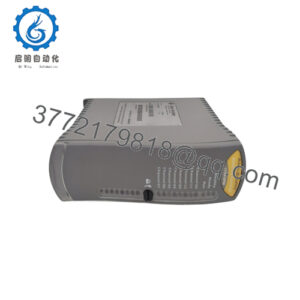
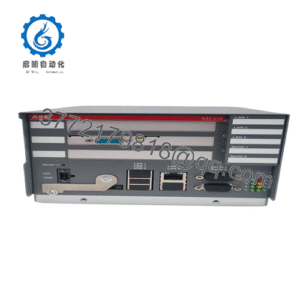
The GE Fanuc / Emerson IC698RMX016 is a 16 MB Reflective Memory module engineered for high-availability and deterministic real-time control in PACSystems RX7i platforms. By establishing a dedicated, high-speed fiber-optic network loop, it automatically mirrors memory locations across multiple controller racks with deterministic transfer delays under 1 microsecond, eliminating CPU software messaging overhead.
With the entire PACSystems RX7i control family phased out by the OEM, securing the IC698RMX016 as New Surplus is a vital supply chain safety measure. Refurbished optical communication cards often suffer from degraded laser diodes, thermal stress on memory chips, and micro-fractures in fiber transceiver ports that cause packet drops or ring network splits. Sourcing factory-fresh New Surplus units guarantees full optical transmitter power and zero signal degradation, protecting your plant against costly unscheduled downtime while extending system service life.
Installation & Configuration Guide
1.Pre-Installation (Prep & Safety):Safety measures and optical fiber prep.
Isolate all rack power sources using standard LOTO protocols. Attach a grounded ESD wrist strap before handling the IC698RMX016 module. Inspect fiber optic cables for dust or damage, use alcohol lint-free wipes on LC connectors, and document the fiber ring loop topology (TX to RX pinouts).
2.Removal:Safe extraction techniques for VME64 optical cards.
Disconnect the LC optical fiber patch cords from the front panel transceiver, applying protective dust caps immediately to open optical ports. Fully loosen the top and bottom captive retaining screws holding the card to the RX7i frame. Unlatch the upper and lower ejection levers simultaneously, then pull the card straight out along the slot guide rails.
3.Installation (Clone & Seat):Hardware mounting and optical cabling.
Inspect the rear edge connector pins on the new IC698RMX016 for foreign debris. Slide the module into the designated slot guide channels in the RX7i backplane until the extraction levers snap locked. Tighten both mounting screws, remove dust covers, and reattach the LC fiber cables firmly into the optical ports.
4.Power-On & Testing:Power initialization and network link verification.
Re-energize the rack power supply and monitor the front-panel status LEDs. The OK light must glow solid green and the LINK LED must illuminate, indicating an active fiber optic loop handshake. Connect via Proficy Machine Edition, check memory reflection tables, and confirm zero optical bit errors across the network ring.
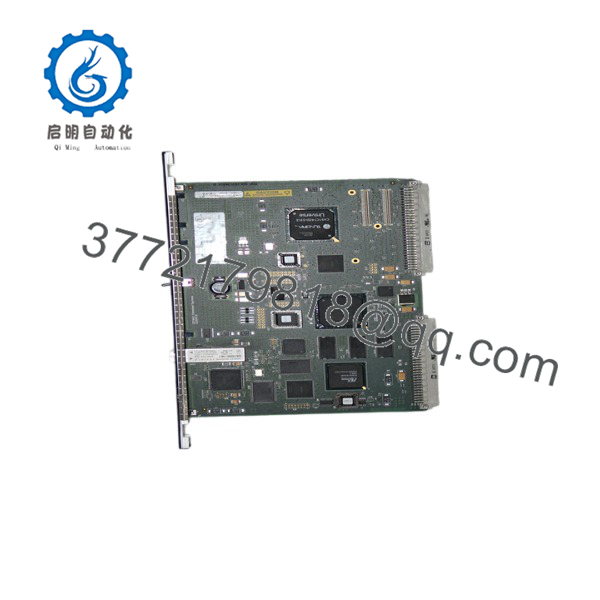
IC698RMX016
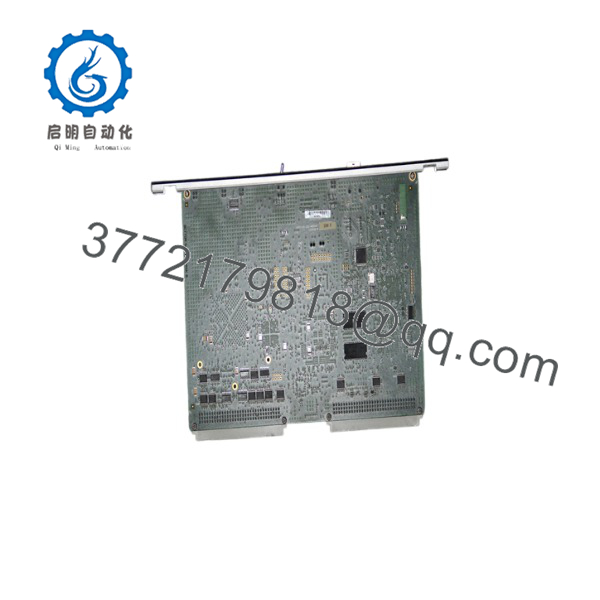
IC698RMX016
Firmware/Software Versions & Upgrade Notes
- Software Support: Fully supported by Proficy Machine Edition (PME) Automation Developer V5.00 and higher.
- Network Node ID Setup: Node IDs are configured within the CPU hardware configuration file in PME. Ensure that every IC698RMX016 module in the same reflective memory ring possesses a unique Node ID address to prevent ring collision faults.
- Fiber Ring Integrity Caution: Never disconnect fiber optic cables on an active reflective memory network loop while controllers are in RUN mode. Breaking the optical ring immediately disrupts real-time data mirroring and can trigger emergency failover or safety shutdowns on connected CPU racks.
Frequently Asked Questions (FAQ)
Is the IC698RMX016 completely new and unused?
Yes. This product is a Brand New Surplus unit. It is not used, not pulled from a decommissioned plant, and not refurbished. All modules undergo rigorous quality verification to ensure OEM-level reliability. Factory packaging is opened solely for visual inspection, pin check, and anti-counterfeit serial verification.
Why is buying a New Surplus reflective memory card better than a refurbished unit?
Refurbished optical communication cards frequently suffer from aging laser transmitter diodes that gradually lose signal strength, leading to intermittent bit errors and network dropouts. Buying New Surplus guarantees factory-fresh optical transmitters and memory ICs with 100% remaining service life.
What type of fiber optic cables should be used with the ?
The utilizes standard LC connector interfaces. Depending on the optical transceiver installed on the module, it supports either 62.5/125 µm multimode fiber (for distances up to 300 meters) or single-mode fiber (for long-distance inter-rack runs up to 10 kilometers).
Can the be hot-swapped while the rack is powered?
No. The RX7i VME64 backplane does not support Hot-Swapping (Removal and Insertion Under Power) for reflective memory cards. Pulling or inserting the while the backplane is powered can arc VME bus contacts, corrupt RAM memory, or permanently damage the card’s sensitive onboard optical drivers.
How does this module fit into a critical spare parts buffer strategy?
Because the handles real-time cross-rack memory synchronization for high-availability systems, a failure on this card halts multi-CPU coordination. Holding 1 to 2 units on-site as buffer stock ensures immediate drop-in replacement, avoiding long lead times and preventing multi-day plant outages.
What warranty coverage is included with this New Surplus module?
We support this Reflective Memory module with a full 1-year functional replacement warranty. If any hardware defect, optical link failure, or memory synchronization error occurs under standard operating conditions within 12 months, we will immediately supply a direct replacement module from our stock.