 WhatsApp: +86 16626708626
 Email:
  Phone: +86 16626708626
Description
Key Technical Specifications
- Model: HE693THM889C
- Brand: GE Fanuc / Horner Electric
- Series: 90-30 PLC family
- Type: Thermocouple input module
- Input Channels: 8
- Input Signal: Thermocouple temperature inputs
- Compatible Sensor Types: K, J, T, E, R, S, B, N
- Function: Converts thermocouple signals to PLC-readable data
- Application: Multi-point temperature monitoring
- Condition: New Surplus / OEM stock, depending on seller
- Compatibility: Verify exact 90-30 rack and software support before installation
Product Introduction
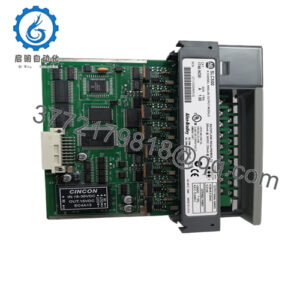
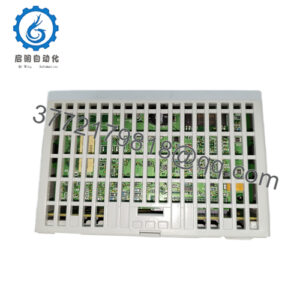
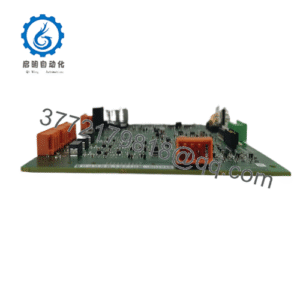
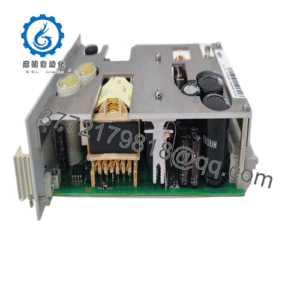
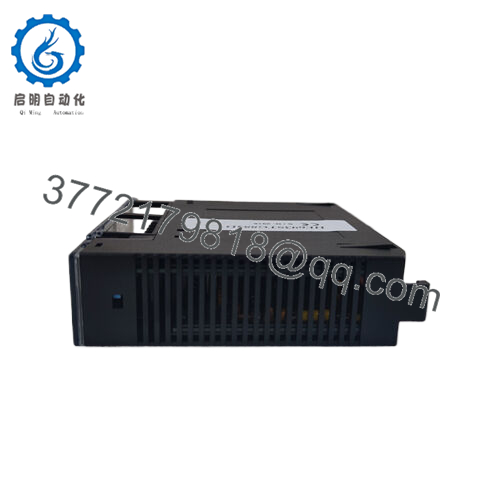
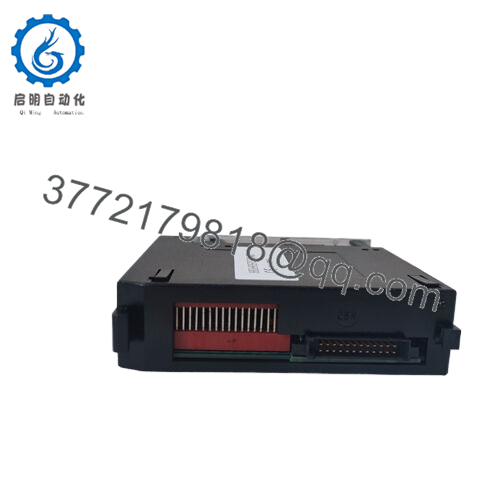
GE HE693THM889C is an 8-channel thermocouple input module used with GE Fanuc 90-30 PLC systems. It connects thermocouple sensors directly to the PLC without extra transmitters or signal conditioners, which keeps the wiring simple in temperature-control applications.
It is typically used in furnaces, process heating, packaging equipment, and other temperature-critical machines. The main value is direct thermocouple acquisition in a standard 90-30 environment, but you should verify rack compatibility and the exact module revision before buying.
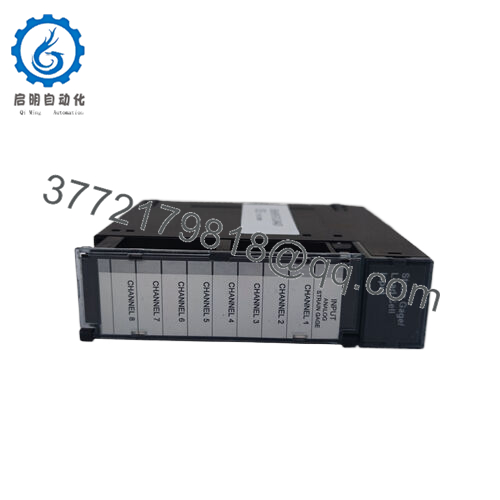
- HE693THM889C
Troubleshooting Quick Reference
| Symptom | Possible Cause | Relevance to this Part | Quick Check Method | Recommendation |
|---|---|---|---|---|
| All temperature channels read open circuit | Broken thermocouple wiring or wrong input type | High | Measure continuity at the sensor leads and confirm TC type | Check field wiring before replacing the module |
| One channel reads far off scale | Reversed polarity or bad junction | High | Compare polarity against the terminal wiring diagram | Re-terminate the sensor and verify cold junction setup |
| Module not recognized by PLC | Wrong rack slot, bad backplane contact, or module seating issue | Medium | Reseat the card and inspect the rack connector pins | Verify mechanical fit and slot assignment first |
| Several channels drift together | Ambient temperature problem or calibration issue | Medium | Compare against a known-good reference probe | Check cabinet temperature and calibration before swapping |
| Intermittent dropouts | Loose terminal screws or vibration | High | Tug-test field wiring and inspect terminal torque | Tighten terminals and check for vibration damage |
| No channel updates after power cycle | Configuration mismatch or software setup issue | High | Review module parameters in the PLC program | Confirm configuration before declaring hardware failure |
If the issue is still unclear, send photos of the wiring, module LEDs, and PLC diagnostics to technical support.
Frequently Asked Questions
Q: Is HE693THM889C a direct thermocouple module?
Yes. It accepts thermocouple inputs directly and converts them for PLC use, so you do not need an external transmitter for basic temperature acquisition.
Q: How many temperature inputs does it have?
It has 8 thermocouple input channels.
Q: What thermocouple types does it support?
Common listings indicate K, J, T, E, R, S, B, and N types. Still verify your exact revision and configuration notes before installation.
Q: Can I hot-swap this module?
Do not count on it. Power down first, especially if the process is temperature-critical and the rack wiring is tight.
Q: Why does the same part sometimes show different brand names?
This family often appears as GE Fanuc, Horner Electric, or GE-branded stock in the secondary market. The safest move is to buy by exact model number and revision suffix.
Q: What should I check before ordering?
Confirm the exact suffix, PLC family, rack compatibility, and thermocouple type. I have seen plenty of failed replacements caused by one wrong letter in the model code.
Q: Why is surplus pricing lower than OEM pricing?
Because this hardware is typically sold from unused inventory or secondary stock, not current factory production. That is normal for older automation parts.