 WhatsApp: +86 16626708626
 Email:
  Phone: +86 16626708626
Description
3. Key Technical Specifications
- Input Voltage: 85–264 VAC (50/60 Hz), single-phase
- DC Input Option: 100–300 VDC (system dependent variant compatibility)
- Output Power: 40 W max total
- Output Rails:
- 5.1 VDC (CPU/backplane logic)
- 24 VDC relay/peripheral supply
- 3.3 VDC internal backplane rail
- Efficiency: ~90–93% (typical RX3i PSA platform range)
- Backplane Compatibility: RX3i IC695 universal chassis
- Slot Requirement: 2-slot module footprint (rack dependent)
- Operating Temperature: -40°C to +70°C (industrial-grade range)
- Protection: Overcurrent, overtemperature, overload shutdown
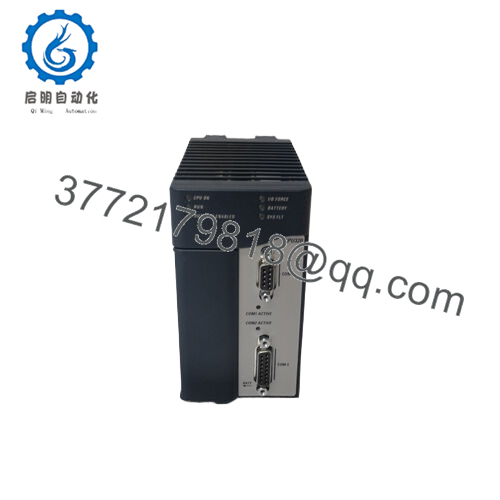
- Indicators: Power, PS fault, overload, overtemp LEDs
- Ride-through Time: ~20 ms
- Mounting: Rack-mounted (RX3i backplane insertion)
4. Product Introduction
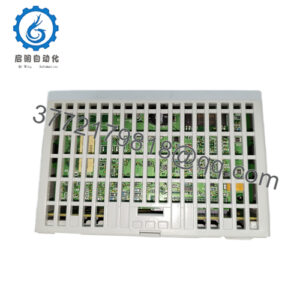
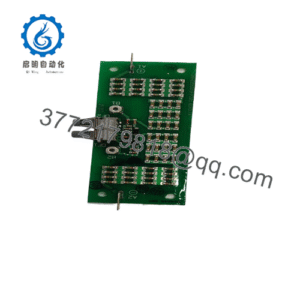
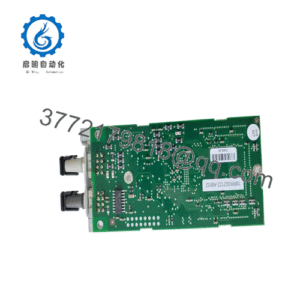
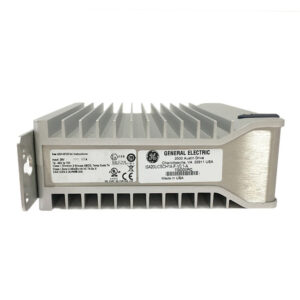
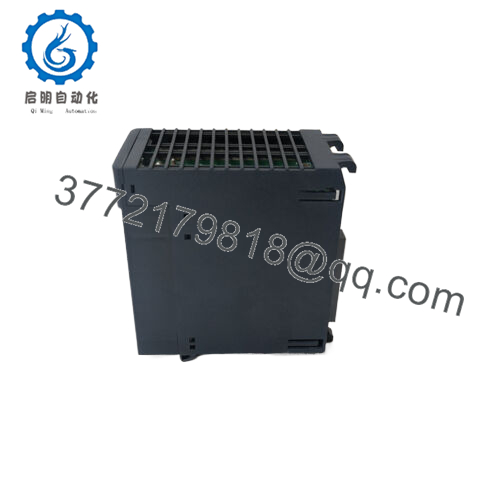
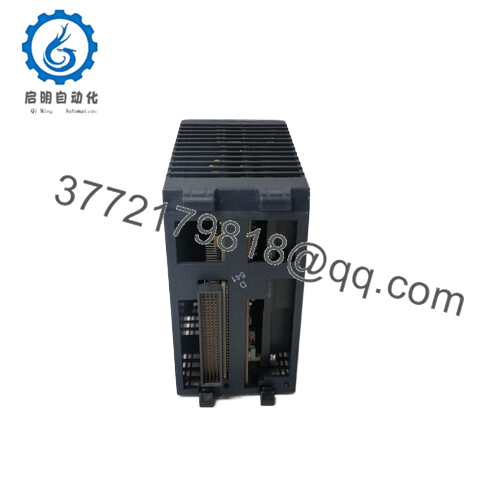
The GE IC695PSA140E is a RX3i PACSystems rack-mounted power supply module designed to provide regulated DC power to PLC CPUs, I/O modules, and communication hardware. It converts industrial AC or DC input into stable 5.1 VDC, 24 VDC, and 3.3 VDC rails required by the RX3i backplane architecture.
This module is commonly used in process automation and discrete manufacturing systems where continuous operation and stable backplane power are critical. It supports redundancy and load-sharing configurations within compatible RX3i chassis.

- IC695PSA140E
5. Installation & Configuration Guide
Stage 1: Pre-Installation Preparation
⚠️ Safety First: Confirm system shutdown, apply LOTO, and verify zero voltage on backplane rails before touching the module. Wait minimum 5 minutes for capacitor discharge.
Tools Required: ESD wrist strap, insulated screwdriver (PH1), multimeter, labeling tape, smartphone (for wiring photos).
Data Backup:
- Upload PLC program via Proficy Machine Edition
- Record rack layout and PSU slot assignment
- Photograph terminal wiring and grounding points
Stage 2: Removing the Old Module
- Remove RX3i rack cover if installed
- Disconnect AC/DC input wiring from terminal block
- Label all grounding and MOV connections
- Release chassis locking mechanism
- Pull PSU module straight out of backplane rails
- Inspect slot for dust, burn marks, or bent pins
⚠️ Note: Do not flex the module during removal. RX3i backplane connectors are sensitive to lateral force.
Stage 3: Installing the New Module
- Confirm exact model match: IC695PSA140E
- Apply ESD protection before handling
- Align module with RX3i backplane rails
- Insert until mechanical latch clicks
- Reconnect AC input and grounding conductors
- Verify terminal torque per wiring specification
Self-Checklist:
- Module fully seated in rack
- Ground connection secured
- AC input polarity verified
- No loose terminal wiring
Stage 4: Power-On & Testing
- Power rack without enabling field devices
- Observe front LEDs:
- Green POWER = 정상
- Red FAULT = fault condition
- Measure output rails (5.1 V / 24 V) using multimeter
- Connect engineering workstation
- Verify CPU boot and backplane sync
- Run I/O dry test sequence
⚠️ Troubleshooting Note:
- No output rails → check input voltage or internal fuse
- Fault LED solid → overload, overheating, or failed PSU
- Intermittent comms → backplane undervoltage or unstable 5.1 V rail
Estimated commissioning time: 15–25 minutes if documentation is available
6. Frequently Asked Questions (FAQ)
Can the IC695PSA140E be hot-swapped?
Yes, in RX3i systems that explicitly support hot-swap PSU configuration. However, field wiring must remain stable, and load conditions must be within redundancy limits. Otherwise, power down first.
Is this module still in production?
No. It is a legacy RX3i platform component. Units are typically sourced from surplus channels or refurbished inventory.
What happens if the PSU fails?
The RX3i system will lose backplane voltage, causing CPU shutdown or fault state. Redundant PSU configurations can prevent total downtime if properly configured.
Will replacing this unit erase PLC memory?
No, PLC logic is stored in CPU memory or non-volatile storage. However, unstable power during swap can corrupt RAM if not properly shut down.
What is the main difference between PSA and PSD variants?
PSA models typically support AC input and dual rail output for standard RX3i racks. PSD variants are DC-input or expansion-oriented designs depending on chassis configuration.
Why does this PSU occupy two slots?
The internal power conversion and distribution circuitry require additional backplane interface area for current handling and thermal dissipation.
What is the most common failure mode?
Field data shows three dominant issues:
- Degraded electrolytic capacitors after long thermal cycling
- Backplane connector oxidation
- Overload from excessive I/O expansion on 5.1 V rail