 WhatsApp: +86 16626708626
 Email:
  Phone: +86 16626708626
Description
Key Technical Specifications
| Parameter | Value |
|---|---|
| Manufacturer | General Electric (GE) |
| Part Number | IS200AEADH3ADA |
| Series | Mark VI / Mark VIe turbine control family |
| Product Type | Interface board / Contact interface board |
| Motor Voltage | 24 V DC |
| Motor Current | 5 A |
| Mounting Type | PCB circuit card |
| Weight | 0.96 kg (1 lb) |
| Country of Origin | USA |
| Production Year | 2024 |
| Condition (Supplier) | 100% New / Tested / In stock |
Product Introduction
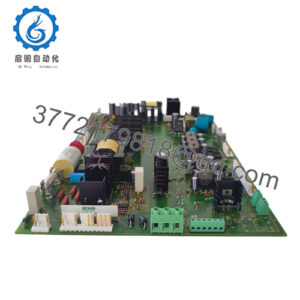
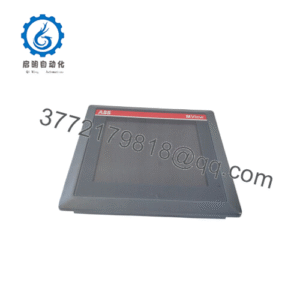
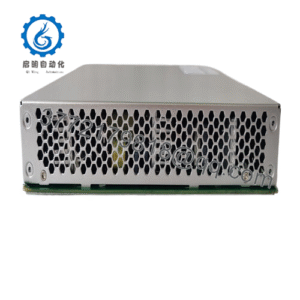
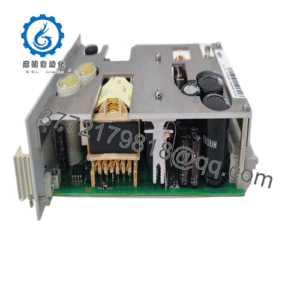
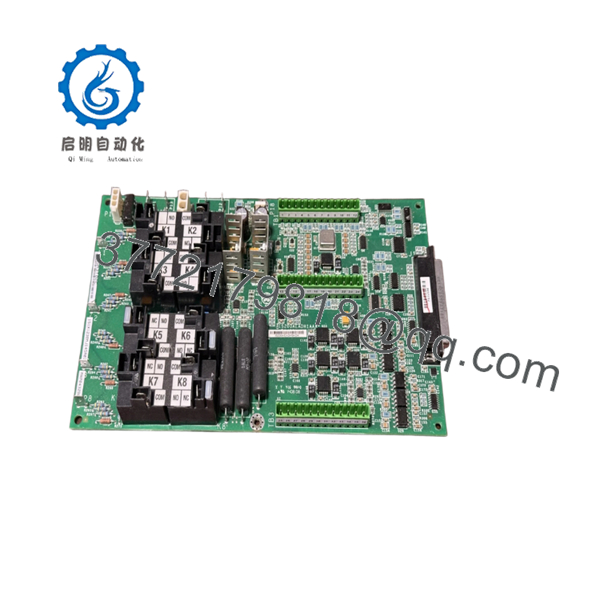
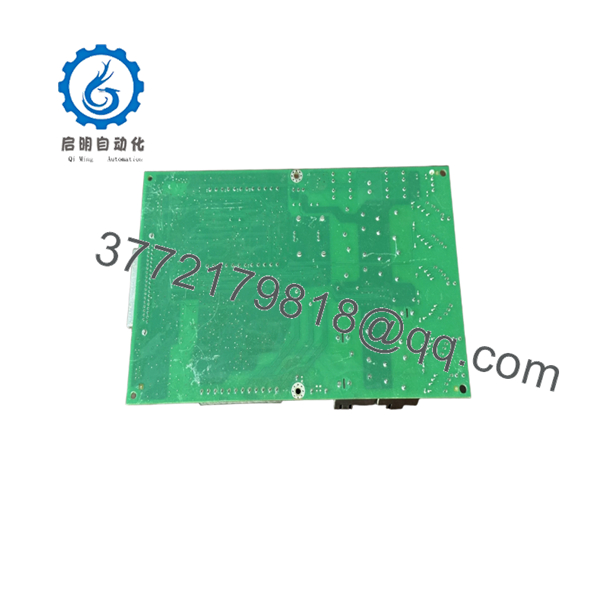
GE IS200AEADH3ADA is a compact contact interface board built for turbine control systems. Engineers deploy it with GE Mark VI and Mark VIe platforms to handle contact input/output interface functions in gas and steam turbine control cabinets.
For replacement, the exact suffix “ADA” is critical. Match the full model number and verify connector layout before install, because Mark VI contact boards can differ by revision and pinout.

- IS200AEADH3ADA
- IS200AEADH3ADA
Troubleshooting Quick Reference
| Symptom | Possible Cause | Relevance to This Part | Quick Check Method | Recommendation |
|---|---|---|---|---|
| No contact input indication | No supply, fuse blown, board fault, loose seating | ✅ High | Measure 24 V DC at input terminals; reseat board | Check power and fuses before replacing |
| Contact output not switching | Load fault, wiring issue, board output channel fault | ✅ High | Check load continuity and voltage at output terminals | Trace wiring and load before condemning board |
| Intermittent contact states | Loose terminal, shielding ground issue, noisy signal | ✅ Medium | Inspect terminal force, check shield termination, monitor signal | Tighten terminals and verify grounding |
| Board fails after install | Wrong revision, ESD damage, installation error | ✅ High | Confirm exact suffix, inspect pins, verify ESD procedure | Stop—verify compatibility before retrying |
| Diagnostic buffer shows contact fault | Controller config mismatch, wrong I/O mapping, board revision | ✅ High | Read diagnostic buffer and compare to cabinet documentation | Confirm config and revision match |
| Multiple channels dead | Rack backplane power issue, adjacent module fault | ❌ Low | Check rack power rails and status of adjacent cards | Investigate cabinet power first |
Send photos of the board, terminal wiring, and controller diagnostic logs to technical support if you cannot isolate the fault.
Frequently Asked Questions
Q: Is IS200AEADH3ADA the full model number?
A: Yes. The suffix “ADA” is part of the exact model. Do not order just “IS200AEADH3” without the suffix. Verify it matches the existing board.
Q: Does this work with both Mark VI and Mark VIe?
A: Supplier listings describe it for use in Mark VI or Mark VIe turbine control systems. Confirm rack compatibility with your cabinet documentation before installation
Q: Can I hot-swap this contact board?
A: Do not assume so. Contact boards interface real power and signaling paths. Power down and follow site procedure before removal.
Q: What condition is typically available?
A: Listings show 100% new, new surplus, tested, and in-stock inventory. For procurement, request actual photos and test reports if you need documentation.
Q: Why is it cheaper than OEM factory stock?
A: It is usually surplus or aftermarket inventory, not current OEM production. That is normal for legacy Mark VI parts, but you still need revision and condition verification.
Q: What should I check before installing the replacement?
A: Match the full model number (IS200AEADH3ADA), inspect connector pins, compare wiring diagrams, and follow ESD handling (grounded wrist strap). That prevents most avoidable rework.
Q: What if the turbine still faults after I replace it?
A: Check power rails, fuses, wiring continuity, and controller diagnostics first. On this kind of hardware, the board is often not the root cause unless the suffix is wrong or the unit fails power-up.