WhatsApp: +86 16626708626
 Email:
  Phone: +86 16626708626
Description
3. Key Technical Specifications
| Parameter | Value |
| Control System | Mark VI / Innovation Series Drive |
| Module Function | Bridge Feedback & Interface |
| Revision Level | G1AEB |
| Input Channels | Voltage, Current, and Thermal Bridge Feedback |
| Signal Type | Analog and Digital Pulse Width Modulation (PWM) |
| Communication | High-speed Serial / Fiber Optic Support |
| Isolation | Optical and Galvanic Isolation Protections |
| Mounting | Direct Drive Cabinet Mounting |
| Standard Compliance | UL, CE (OEM Certified) |
4. Product Introduction & Supply Chain Strategy
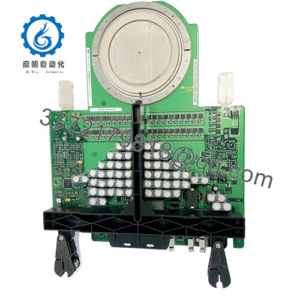
The GE IS200BPIBG1AEB is a high-performance Bridge Personality Interface Board used within the GE Mark VI and Innovation Series drive systems. It acts as the critical hardware layer between the high-power inverter bridge and the low-voltage control electronics. The BPIB processes essential feedback data—including bridge temperatures, DC link voltages, and AC current levels—ensuring the drive controller maintains precise synchronization and system protection.
From a procurement standpoint, the BPIBG1AEB is a high-turnover component due to its proximity to high-power electronics and its susceptibility to thermal stress. Buying this as “New Surplus” is the most cost-effective way to secure 100% reliability. Refurbished BPIB boards often harbor latent damage from previous bridge failures or component aging (specifically in the optoisolators), which can lead to catastrophic “misfires” in the power bridge. By stocking New Surplus units, you mitigate the risk of high-value equipment damage and significantly lower your Total Cost of Ownership (TCO).
5. Installation & Configuration Guide
Stage 1: Pre-Installation (Prep & Safety)
- Verify De-Energization: Confirm the drive is locked out and the DC link capacitors are fully discharged (verify with a multimeter).
- Documentation: Clear the area and take photos of the existing fiber optic connections and wiring harnesses.
- ESD Protection: These boards are extremely sensitive to static. Wear a grounded wrist strap throughout the procedure.
Stage 2: Removal
- Carefully label and disconnect all fiber optic cables. Note that these cables have a minimum bend radius; do not kink them.
- Remove the mounting screws securing the BPIB to the drive frame.
- Disconnect the ribbon cables or terminal blocks from the board headers.
Stage 3: Installation (Clone & Seat)
- Configuration: Check for any physical jumpers on the IS200BPIBG1AEB and ensure they match the configuration of the board being replaced.
- Mounting: Re-attach the board to the frame and reconnect all wiring harnesses.
- Optics: Carefully clean fiber optic tips with an approved cleaner before re-inserting them into the ports.
Stage 4: Power-On & Testing
- Perform a “Control Power Only” test first. Verify the board’s onboard diagnostics and communication LEDs are active.
- Feedback Check: Monitor the drive interface for valid bridge temperature and voltage readings before enabling the high-power bridge.
6. Firmware/Software Versions & Upgrade Notes
- Revision Compatibility: The “AEB” suffix indicates a specific hardware revision. In the GE Innovation Series, mixing hardware revisions within a redundant bridge setup can lead to signal timing mismatches. Always ensure all boards in a multi-bridge system are at the same revision level.
- Software Mapping: Ensure your Toolbox or ControlST configuration matches the “G1” hardware definition to allow proper scaling of feedback signals.
- Warning: Never swap these boards while control power is applied, as it can cause a communication bus “hang” or trigger a false trip on the master controller.
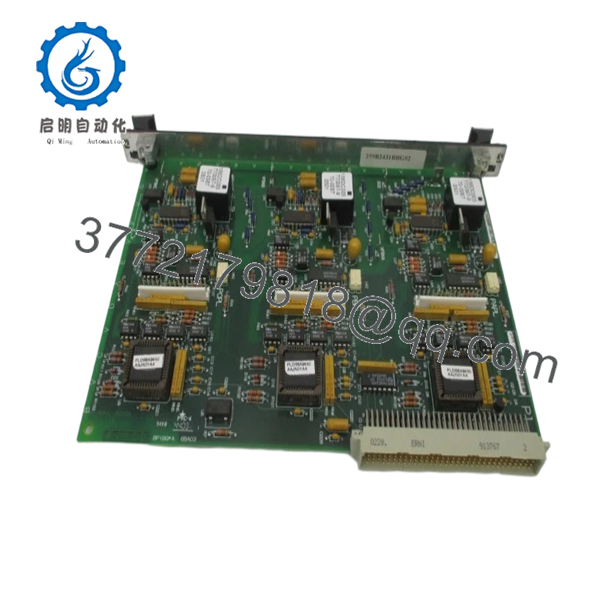
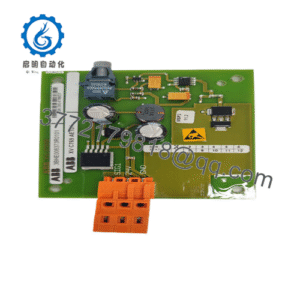
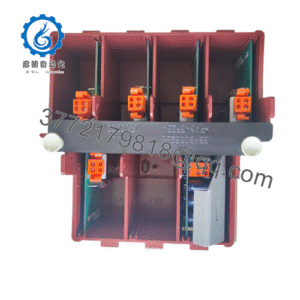
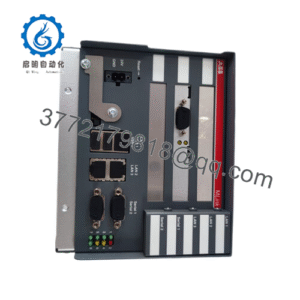
- IS200BPIBG1AEB
7. Frequently Asked Questions (FAQ)
Q: Is the IS200BPIBG1AEB interchangeable with other BPIB versions?
A: Not necessarily. The suffix “AEB” signifies specific component tolerances and firmware compatibility. While some boards are backward compatible, you should always consult your system’s hardware manifest to verify that this revision is supported.
Q: Why is “New Surplus” better than “Used/Refurbished” for a bridge board?
A: Bridge interface boards are subjected to high electrical noise and heat. Used boards often have degraded isolation components that may fail under full load. New Surplus ensures that all capacitors and optocouplers are at 100% of their rated lifespan.
Q: Does this board require any software programming?
A: The board itself is primarily hardware-based logic, but the drive controller must be configured to recognize the specific bridge type this board interfaces with. Generally, if you are replacing an identical part number, no software changes are needed.
Q: What is the most common failure symptom for this board?
A: Typically, a “Bridge Feedback Failure” or “Fiber Optic Loss of Signal” alarm on the drive controller. These faults often point to a failure in the BPIB interface logic.
Q: How do I verify the authenticity of this GE board?
A: All our New Surplus units feature verifiable GE serial numbers, original OEM markings, and come in ESD-compliant packaging. We also provide QC test reports upon request.