 WhatsApp: +86 16626708626
 Email:
  Phone: +86 16626708626
Description
Key Technical Specifications
| Parameter | Value |
|---|---|
| Manufacturer | General Electric (GE) |
| Model Number | IS200TBAIH1CDD |
| Series | Speedtronic Mark VIe / Mark VIeS |
| Product Type | 16-Channel Analog Input Terminal Board (TBAI) |
| Primary Function | Key physical interface component in Mark VIe I/O system architecture for analog signal input |
| Input Channels | 16 analog input channels |
| Application | Turbine and process control systems |
| Architecture | Mark VIe decentralized/distributed I/O system |
| Signal Type | Analog input (voltage/current) |
| Mounting | Terminal board rack installation |
| Operating Temperature | −30°C to +65°C (typical for Mark VIe) |
| Country of Origin | USA |
| Warranty | 1 year |
| Certificate | COO, Test Report |
Product Introduction
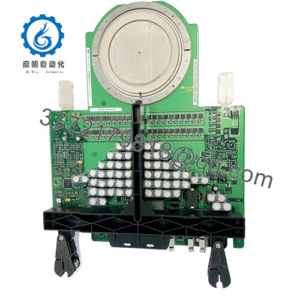
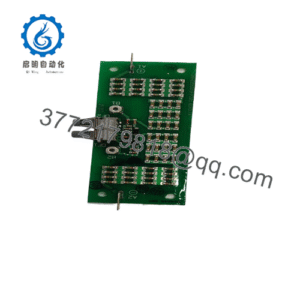
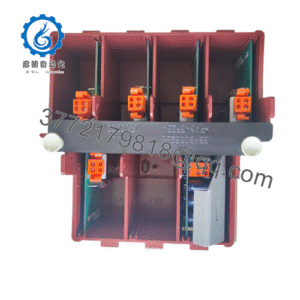
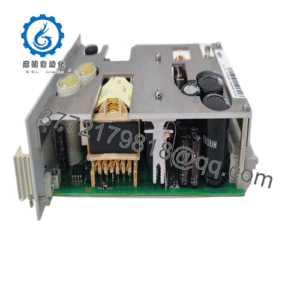
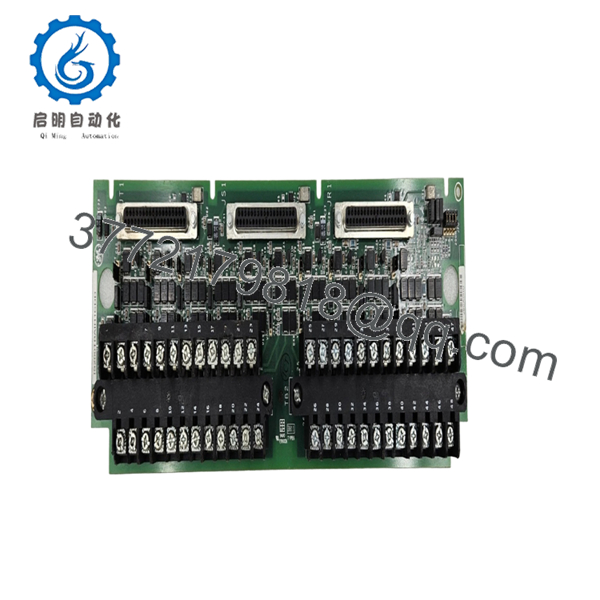
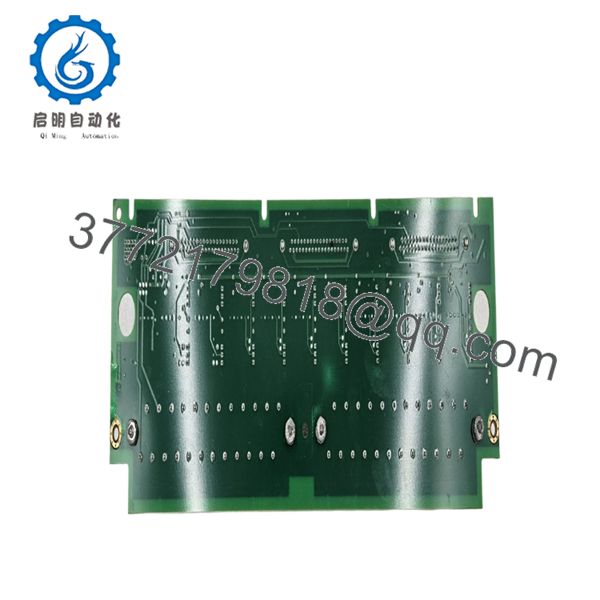
GE IS200TBAIH1CDD is a 16-channel analog input terminal board designed by General Electric for its advanced Speedtronic Mark VIe and Mark VIeS turbine and process control systems. This board serves as a key physical interface component in the Mark VIe I/O system architecture, providing standardized wiring connections for on-site analog sensors to the distributed I/O system.
This board is selected when the existing analog input terminal fails, shows channel faults, or fails to provide proper signal isolation for analog sensors. The TBAI board supports 16 analog input channels, making it suitable for condition monitoring, temperature sensing, pressure monitoring, and other analog signal acquisition needs in turbine control applications

- IS200TBAIH1CDD
- IS200TBAIH1CDD
Troubleshooting Quick Reference
| Symptom | Possible Cause | Relevance to this Part | Quick Check Method | Recommendation |
|---|---|---|---|---|
| One or more channels reading zero or out of range | Channel fault, wiring issue, sensor failure | ✅ High | Check which channel is affected; measure sensor output at terminal | Check sensor and wiring first; replace board if all channels fail |
| All 16 channels dead | Board power failure, backplane fault, controller issue | ✅ High | Measure board power input; check controller communication status | Check PSU and backplane first; replace board if power is good |
| Intermittent readings on one channel | Loose terminal, marginal connections, sensor drift | Medium | Check terminal tightness; monitor signal stability | Tighten terminal; replace sensor if drift persists |
| Wrong signal type detected | Wire mismatch, sensor configuration error, board config | Medium | Verify sensor output type (voltage vs. current); check wiring diagram | Verify wiring matches sensor spec; check board configuration |
| Channel noise or erratic readings | EMI/RFI interference, poor shielding, grounding issue | Medium | Check shield grounding; look for nearby high-voltage sources | Improve shielding; verify single-ended shield grounding |
| Board not recognized by controller | Backplane connection fault, board failure, firmware mismatch | ✅ High | Reseat board; check controller diagnostic logs | Replace if board ID cannot be read and connection is good |
| Multiple channels failing simultaneously | Board fault, power supply issue, common ground fault | ✅ High | Check power supply voltage; verify common ground connections | Replace board if power is good and multiple channels fail |
Contact technical support with photos, fault codes, diagnostic logs, and channel readings if the issue persists after these checks.
Frequently Asked Questions
Q: Is this a direct replacement for every IS200TBAI 16-channel analog input terminal board?
A: Not automatically. GE Mark VIe parts vary by revision and suffix (like the 1CDD ending). Verify the exact model suffix, channel configuration, and system revision before ordering. The board must match your controller’s firmware and I/O architecture.
Q: Can I hot-swap this terminal board?
A: No. Power down the I/O rack first. Hot-swapping a terminal board can damage the backplane, fry the new card, or cause spurious analog signals that trip processes. Follow lockout/tagout procedures before removal.
Q: What types of analog signals can this board accept?
A: The TBAI board accepts analog input signals (voltage or current) from sensors. Verify the exact input range (e.g., 0–10 V, 4–20 mA) with the OEM datasheet before installation, as different suffixes may support different ranges.
Q: Will my existing settings transfer to the new board?
A: This is a terminal board, not a programmable module, so there are no stored settings. However, document your wiring configuration and channel assignments before removal for reference.
Q: Why is this cheaper than buying from GE directly?
A: This is typically brand new surplus stock from authorized distributors. The Mark VIe system is legacy equipment, so factory support is limited through authorized channels. That lowers cost, but you should still verify condition, COO, and test report.
Q: What condition should I expect for this part?
A: Sold as brand new with COO (Certificate of Origin) and test report. For Mark VIe parts, expect either brand new or tested surplus with documented testing. Transparency on condition and certification matters more than marketing language.
Q: What usually causes failure on a 16-channel analog input terminal board like this?
A: In the field, common issues are individual channel failures from sensor shorts, terminal corrosion from humidity, ESD damage during handling, power supply problems, or backplane connection issues. One or two channels failing is more common than all 16 channels failing simultaneously.
Q: How do I avoid a bad swap and rework?
A: Take a clear photo of the original board’s wiring, channel assignments, and terminal positions; verify the exact model suffix (IS200TBAIH1CDD); confirm the controller revision; and label each wire before removal. That prevents most rework and saves downtime. Keep these checks in mind and you’ll save yourself 90% of typical rework time.