 WhatsApp: +86 16626708626
 Email:
  Phone: +86 16626708626
Description
Key Technical Specifications
| Parameter | Value |
|---|---|
| Model | IS200VCRCHIA |
| Brand | GE |
| Series | Speedtronic Mark VI (MKVI) |
| Product type | Vibration control I/O module |
| Primary application | Gas/steam turbine mechanical protection |
| Channel count | 4 vibration channels |
| Sensor input | ICP/IEPE and 0–20 mA compatible |
| Sampling rate | Up to 10 kHz |
| Resolution/detection | ~0.1 μm displacement detection |
| Redundancy architecture | TMR (2oo3 voting) in Mark VI system |
| Safety/standards | SIL2-level protection; API 670 mechanical protection alignment |
| Mounting | Single-slot Mark VI backplane with faceplate LEDs |
| Diagnostics | FFT spectrum analysis; bearing fault feature library; trend analysis |
| Operating temperature | Typical industrial control cabinet range (verify site cabinet rating) |
| Condition | New Surplus / Tested |
Product Introduction
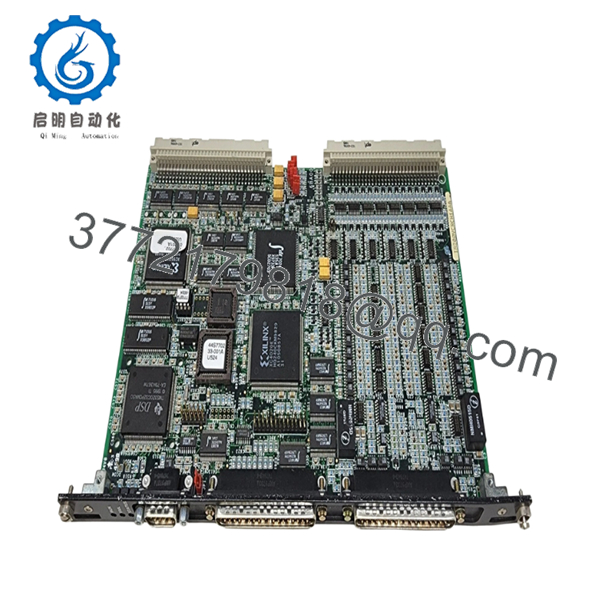
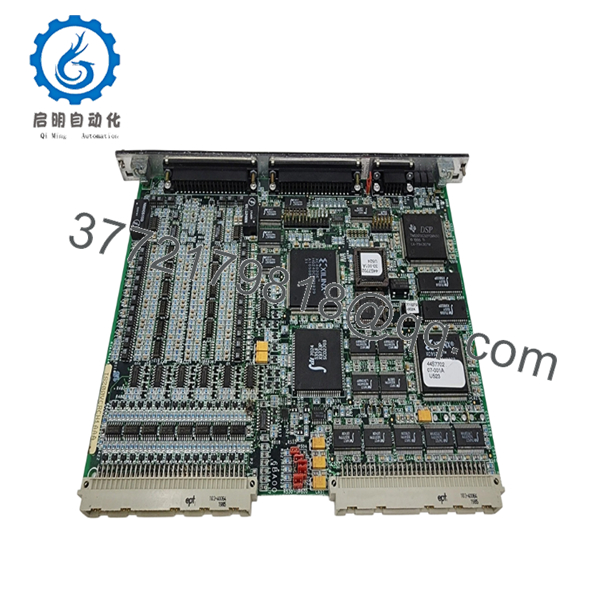
GE IS200VCRCHIA is a Speedtronic Mark VI vibration control module used for gas and steam turbine mechanical protection in power generation and industrial plants. It monitors rotating equipment vibration via four input channels and supports ICP/IEPE and 0–20 mA sensors.
This module is chosen when a plant needs a reliable, field-proven replacement for a failed or aging vibration I/O card in a Mark VI cabinet. Its TMR voting architecture and FFT diagnostics support early fault detection and compliance with mechanical protection standards.

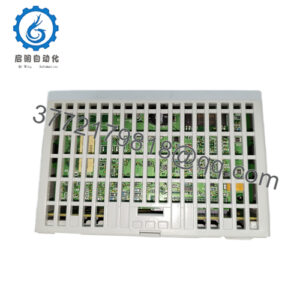
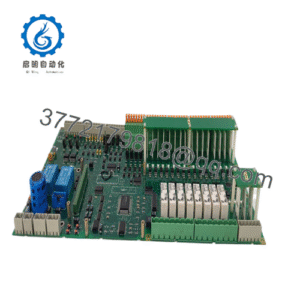
- IS200VCRCHIA
- IS200VCRCHIA
Troubleshooting Quick Reference
| Symptom | Possible Cause | Relevance to this Part | Quick Check Method | Recommendation |
|---|---|---|---|---|
| ERR/FAIL LED lit (red) | Module fault or power issue | ✅ High | Check board LEDs and controller diagnostic buffer | Replace module after confirming rack power and slot integrity |
| Vibration channels show implausible values | Sensor wiring, ground loop, or sensor failure | ❌ Low | Measure sensor excitation and signal at terminals; check shield grounding | Fix wiring/sensor first; often not the module |
| No channel data / NaN in HMI | Front-end conditioning fault or config mismatch | ✅ Medium | Verify input type (ICP vs 4–20 mA) in config; check channel enable | Restore correct configuration; reseat module if needed |
| Intermittent alarms after swap | Revision mismatch or poor seating | ✅ High | Inspect edge connector; confirm board revision matches original | Reseat and verify exact replacement model |
| Rack comms timeout | Backplane issue, wrong slot, or controller fault | ❌ Low | Check adjacent modules and controller status; reseat card | Trace fault outside this module first |
| Channel drift over time | Sensor aging or temperature effects | ❌ Low | Compare all four channels; review trend history in Cimplicity | Replace sensor or adjust alarm thresholds; module likely OK |
Contact technical support with board photos, rack wiring diagrams, LED status, and diagnostic logs if the fault is unclear.
Frequently Asked Questions
Q: Is IS200VCRCHIA a direct replacement?
A: Usually yes within the same Mark VI cabinet generation, but verify board revision, firmware range, and channel configuration. Turbine protection hardware can reject mismatched revisions.
Q: Can I hot-swap this module?
A: No. Treat it as a power-down replacement. Hot-swapping can damage the backplane or corrupt the TMR voting state.
Q: Will my configuration stay intact after replacement?
A: The board itself does not store your full project config. In most cases the project lives in the controller/engineering station. Back up your project before swap and reload/verify channel mapping afterward.
Q: What condition is this part in?
A: This listing is New Surplus / Tested. It is not factory-sealed OEM fresh, but it should pass visual inspection and live functional tests before shipment. Test reports and photos are available on request.
Q: Why is it cheaper than factory-direct?
A: Surplus stock comes from excess inventory, decommissioned units, or unused spares. Pricing reflects sourcing, not a claim that the part is newer than OEM stock.
Q: What should I verify before installation?
A: Confirm board revision, input type (ICP vs 4–20 mA), channel mapping, terminal wiring, and shield grounding (single-ended vs both-ends). Check cabinet airflow and measure backplane voltage at the slot.
Q: How do I know the module is actually bad?
A: Look for failed LEDs, persistent ERR/FAIL after reseating, or channel faults that persist after verifying sensors and wiring. If diagnostics still point to the card after those checks, replacement is justified.
Q: Does this support FFT and alarms?
A: Yes. The Mark VI vibration I/O supports FFT spectrum analysis and multi-level alarm thresholds aligned with ISO 10816, and it integrates with Cimplicity for trend reporting.