 WhatsApp: +86 16626708626
 Email:
  Phone: +86 16626708626
Description
Key Technical Specifications
- Channels: 16 analog output channels
- Resolution: 12-bit
- Output Types: Voltage output, current loop output, or mixed configuration
- Voltage Ranges: 0 to 5 V, 0 to 10 V, ±2.5 V, ±5 V, ±10 V
- Current Ranges: 0 to 20 mA, 4 to 20 mA, 5 to 25 mA
- Interface: VMEbus compliant
- Connector/Output Access: Front panel outputs via P3
- Configuration: Jumper-selectable output type and range
- Board Type: Analog output board
- Application: Industrial control and legacy VME systems
Product Introduction
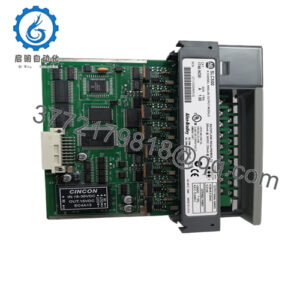
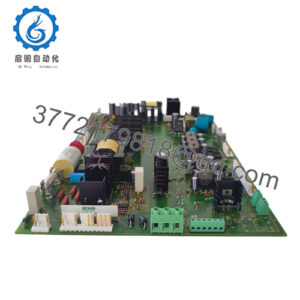
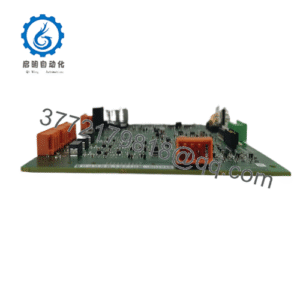
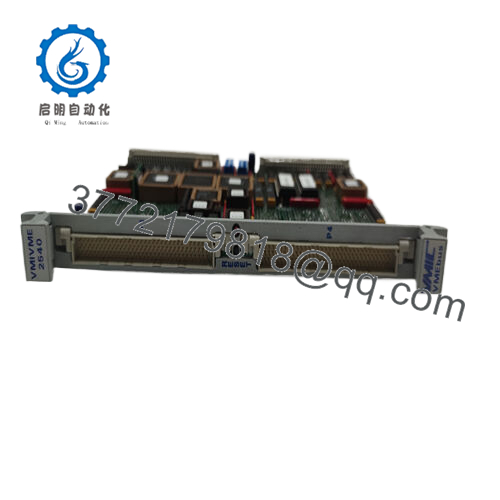
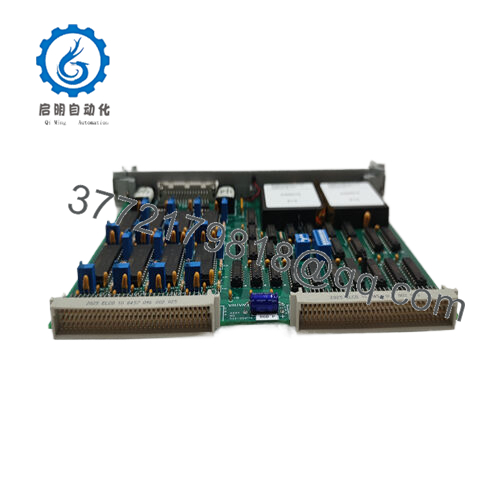
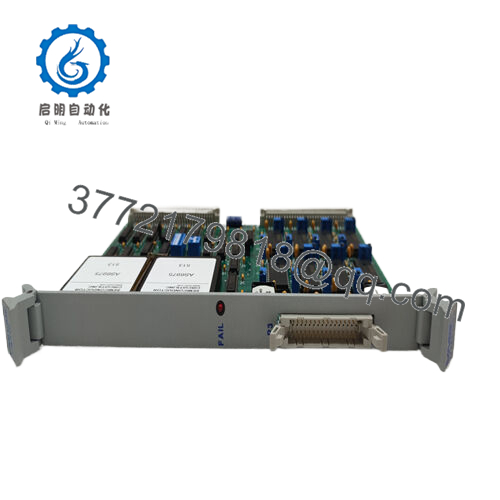
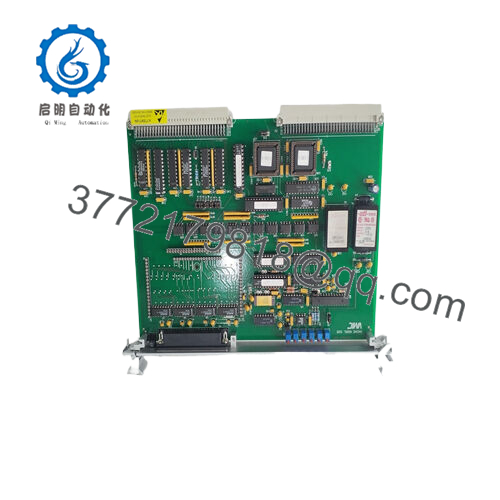
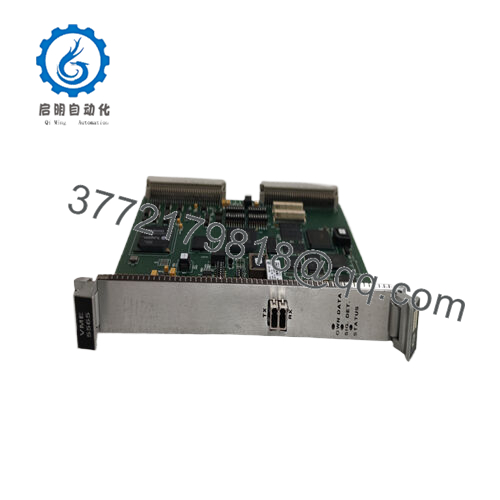
GE VMIVME-4120 is a VMEbus 16-channel analog output board used in legacy industrial control systems. It provides 12-bit D/A conversion with jumper-selectable voltage or current outputs, making it a direct fit for process control, simulation, and test racks where the existing VME architecture must stay in service.
Buyers usually choose this module when they need exact form-factor compatibility and predictable output ranges, not a redesign. The board supports common voltage and current transmitter ranges, which helps reduce wiring changes during replacement, but you should still verify jumper settings and pinout against the installed rack before powering up.

- VMIVME-4120
Troubleshooting Quick Reference
| Symptom | Possible Cause | Relevance to This Part | Quick Check Method | Recommendation |
|---|---|---|---|---|
| No analog output on any channel | Backplane power issue or board not seated | ❌ Low | Measure VME backplane rails, reseat board, check activity LEDs if present | Check rack power and connectors before replacing the board |
| One channel stuck at 0 V or full scale | Channel DAC fault or field wiring open/short | ✅ High | Measure output directly at the board and at the field terminal with a meter | Compare against another channel before ordering a replacement |
| Output value is correct in software but wrong at the terminal | Jumper mismatch or wiring mismatch | ✅ High | Verify voltage/current jumper positions and output range settings | Match the installed board configuration exactly |
| All channels read unstable or noisy | Grounding issue or shield termination problem | ⚠️ Medium | Check shield termination, signal ground, and rack grounding | Fix grounding first; this is often not a failed board |
| Output range does not match expected process value | Wrong range selection | ✅ High | Confirm whether the channel is set for 0-10 V, 4-20 mA, etc. | Reconfigure jumpers before declaring a hardware failure |
| Only some channels fail after a swap | Incorrect field wiring or damaged terminal connection | ⚠️ Medium | Swap field wires with a known-good channel and re-test | Inspect terminal blocks and wiring harnesses |
| Board fails after installation | ESD damage or incorrect jumper setup | ✅ High | Check installation history, inspect for bent pins, compare to old board settings | Remove power, inspect configuration, and test in a controlled rack |
Contact technical support with photos of the board, jumper positions, and diagnostic logs if the fault is still unclear.
Frequently Asked Questions
Q: Is VMIVME-4120 hot-swappable?
A: No. Treat it like a live VME analog I/O board, not a casual plug-in swap. Power down the rack before removal unless the system manual explicitly allows live insertion, because a bad move here can damage the backplane or the board.
Q: Is this a direct replacement for my existing GE VMIC board?
A: Usually yes for systems already built around VMIVME-4120, but you still need to confirm jumper settings, output range, and connector mapping. I would not install one from memory; even a small wiring difference can create a bad output or a false fault.
Q: What condition do you sell this in?
A: New Surplus or tested surplus, depending on stock. That usually explains why it costs less than factory new inventory, but it is still a legitimate OEM part number and should be verified against your installation requirements before purchase.
Q: Why is the price lower than a new OEM module?
A: Because this is typically surplus inventory, not a fresh production run. The savings come from market availability, not from changing the model or spec, so the real question is whether the unit matches your rack, jumper settings, and required output range.
Q: Will this keep my existing configuration?
A: The board itself does not magically preserve your site settings. If your installation depends on specific jumper positions or range selection, document the old card first and mirror it on the replacement.
Q: What should I check before buying it?
A: Confirm the exact part number, output type, voltage or current range, and the VME rack compatibility. Also check whether your field device expects voltage output or a current loop, because mixing those up is a classic downtime mistake.
Q: Is this model obsolete?
A: Yes, it should be treated as an obsolete legacy VME part with limited stock availability. That means buyers should verify compatibility and buy the exact match, not a close-looking substitute.