 WhatsApp: +86 16626708626
 Email:
  Phone: +86 16626708626
Description
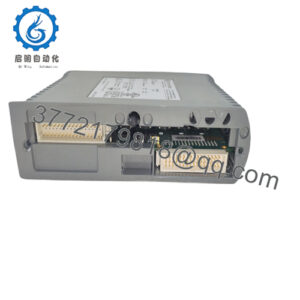
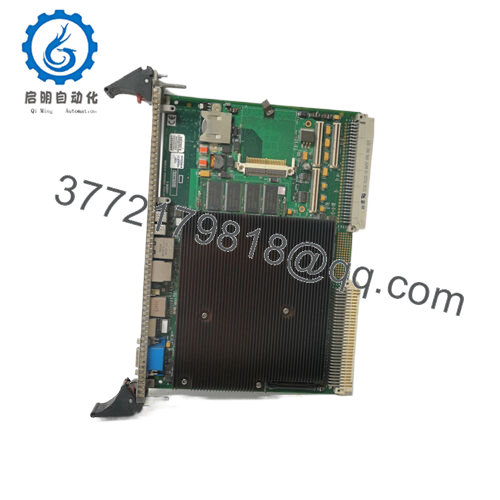
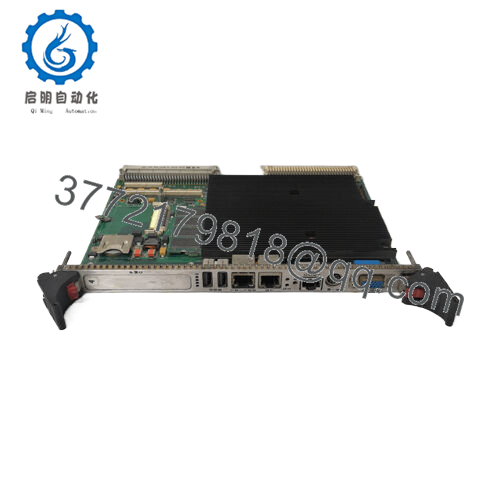
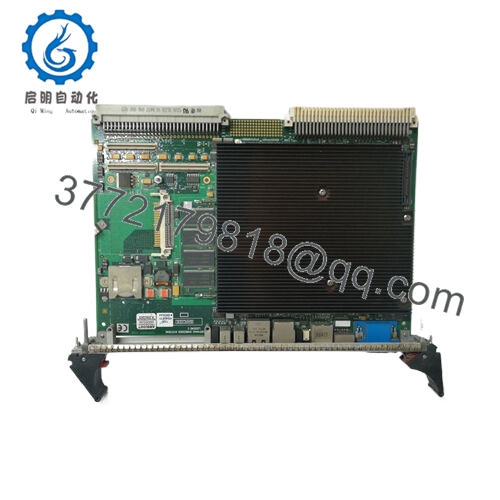
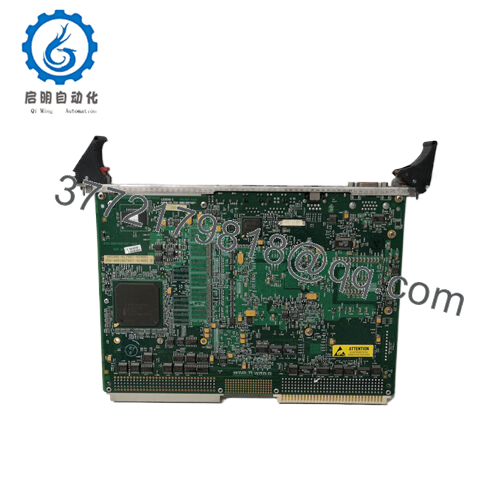
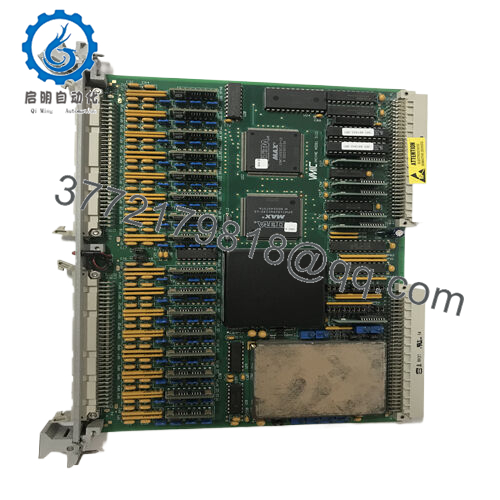
The GE VMIVME-6015 is a high-performance VMEbus transition module and expansion interface designed to facilitate complex connectivity in high-density industrial computing environments. In sectors such as aerospace telemetry, automated manufacturing, and large-scale defense simulations, the physical management of I/O signals is often as challenging as the data processing itself. The GE VMIVME-6015 is typically deployed in VME racks where it serves as a bridge between the high-speed backplane and external peripheral devices, such as high-resolution monitors, storage arrays, or specialized sensor networks. In a flight simulator, for example, the GE VMIVME-6015 might be used to route critical video signals or high-speed data streams from a central processing board to the cockpit display systems. These environments demand absolute signal integrity and the ability to withstand the electrical noise generated by adjacent high-power equipment. The robust design of the GE VMIVME-6015 is specifically engineered to maintain these connections in industrial automation scenarios where a loose cable or a signal drop could result in significant operational downtime. It is particularly applicable in control systems that require clean, organized cable management for hundreds of discrete signals within a single 19-inch rack enclosure.
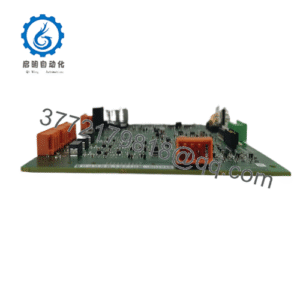
Technically classified as a VMEbus Transition Module or a “Rear-Panel” I/O expansion board, the GE VMIVME-6015 is a vital part of the VMIC legacy hardware family now supported by GE Automation. It functions by intercepting signals from the P2 connector of a primary VME processor or I/O board and translating them into standard, user-accessible ports on the rear of the chassis. Within a distributed control architecture, the GE VMIVME-6015 allows engineers to keep the front of the VME rack clear of bulky cabling, which improves airflow and simplifies maintenance. For system integrators, the value of the GE VMIVME-6015 lies in its “passive-active” hybrid nature; it provides a direct electrical path for high-speed signals while often incorporating buffering or filtering components to protect the host CPU from external surges. The GE VMIVME-6015 is positioned as an essential productivity tool for engineers who need to build “clean” systems that are easy to document and even easier to service in the field. By using the GE VMIVME-6015, you effectively extend the life of your VME system by providing a standardized, ruggedized point of connection for modern and legacy peripherals alike.
Reliability in the GE VMIVME-6015 is achieved through a hardware design that emphasizes mechanical stability and electrical shielding. Each connector on the GE VMIVME-6015 is chosen for its industrial-grade durability, ensuring that the module can withstand thousands of insertion cycles without loss of contact pressure. The functional performance of the GE VMIVME-6015 is defined by its low-impedance signal paths, which minimize propagation delay—a critical factor when the module is used in real-time data acquisition or high-frequency communication rings. Furthermore, the board is often designed with a multi-layer PCB that includes dedicated ground and power planes to suppress electromagnetic interference (EMI). This ruggedness makes the GE VMIVME-6015 a preferred choice for naval or airborne applications where constant vibration and thermal cycling are the norm.
Compatibility is a hallmark of the GE VMIVME-6015, as it is designed to work seamlessly with a wide range of VMIC-brand Single Board Computers (SBCs) and digital I/O modules. The hardware design allows for flexible mounting, typically fitting into the rear transition area of a standard VME64 or VME64x chassis. This integration with other systems is facilitated by the use of standard industry connectors—such as DB-9, High-Density SCSI, or specialized DIN connectors—allowing for the use of off-the-shelf cabling. The long-term reliability of the GE VMIVME-6015 is supported by its fanless, solid-state construction; with no moving parts to fail, the module is essentially a lifetime component that requires zero active maintenance once it is properly installed and secured.
| Parameter | Value |
| Model | GE VMIVME-6015 |
| Brand | GE Automation / VMIC |
| Type | Rear Transition Module (RTM) |
| Bus Architecture | VME64 / VME64x Compliant |
| Form Factor | 6U Height / Single-Slot Width |
| Power Supply | Passive or Low-Power Draw from P2 Connector |
| Operating Temperature | -40 to +85 Degrees Celsius (Extended Range Available) |
| Mounting | Rear-Rack Transition Slot |
| Dimensions | Standard 6U Transition Card Factor |
| Interfaces | Varies by Revision (Serial, VGA, SCSI, or Ethernet) |
| Certifications | CE, UL, MIL-STD Options |
| Environmental Rating | Industrial Ruggedized |

- VMIVME-6015
VMIVME-7750 – The primary Single Board Computer that often utilizes this transition module.
VMIVME-7589A – A legacy SBC compatible with the GE VMIVME-6015 for rear I/O routing.
VMIACC-0562 – Specialized cable assembly designed to mate with the GE VMIVME-6015 ports.
VMIVME-7452 – A high-speed disk controller that often pairs with this module for storage I/O.
VMIVME-5565 – Reflective memory node that may use the GE VMIVME-6015 for fiber-optic routing.
VMIVME-2536 – Digital I/O board that benefits from the organized wiring the GE VMIVME-6015 provides.
Installation of the GE VMIVME-6015 requires precision alignment with the P2 backplane connectors. Because the GE VMIVME-6015 is installed from the rear of the chassis, it is crucial to ensure that the VME rack is powered down and that you have a clear line of sight to the mating pins. Even a slight misalignment can result in bent pins on the expensive VME backplane. Once the module is seated, the captive retaining screws should be tightened to ensure a constant ground bond between the module faceplate and the rack frame. This grounding is essential for the GE VMIVME-6015 to effectively shield the I/O signals from external noise.
Maintenance for the GE VMIVME-6015 is minimal but should include periodic visual inspections of the external connectors. Check for any signs of oxidation or physical wear, especially in high-humidity environments. If the GE VMIVME-6015 is used to route high-speed data, we recommend testing the cable integrity every 12 months using a signal analyzer to ensure there is no attenuation due to cable strain. Since the board is a passive or low-power component, it does not require dedicated cooling, but you should ensure that the rear of the rack has sufficient ventilation to prevent ambient heat build-up from other active cards.