 WhatsApp: +86 16626708626
 Email:
  Phone: +86 16626708626
Description
3. Key Technical Specifications
| Parameter | Value |
|---|---|
| Processor | Intel Pentium M (embedded class) |
| Clock Speed | Up to 1.6 GHz (variant dependent) |
| Bus Interface | VME64x (ANSI/VITA compliant) |
| Form Factor | 6U VME Single Board Computer |
| Memory | DDR SDRAM (up to 1 GB) |
| Ethernet | Dual Ethernet (10/100/1000Base-T) |
| Storage Interface | IDE / CompactFlash |
| Serial Ports | RS-232/422/485 configurable |
| Expansion | PMC / XMC support |
| Operating Systems | VxWorks, Linux, Windows XP Embedded |
| Power Requirement | +5 V DC via VME backplane |
| Operating Temperature | 0°C to +55°C |
4. Product Introduction & Supply Chain Strategy
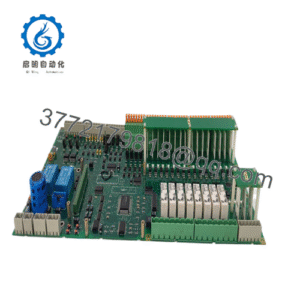
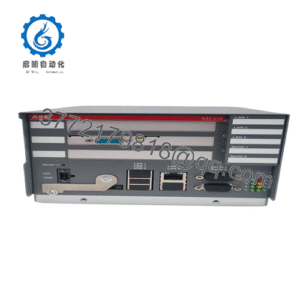
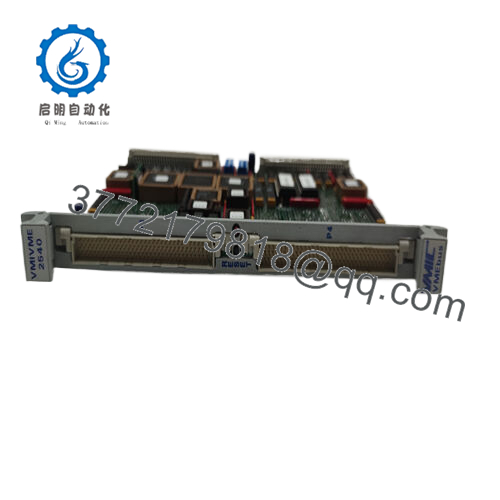
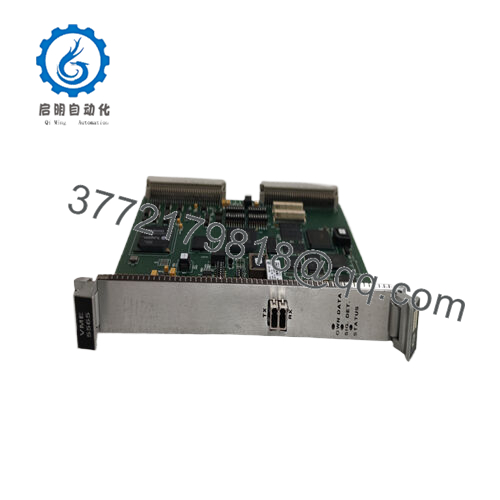
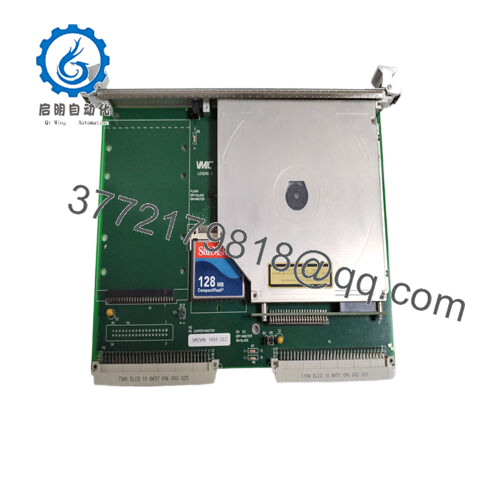
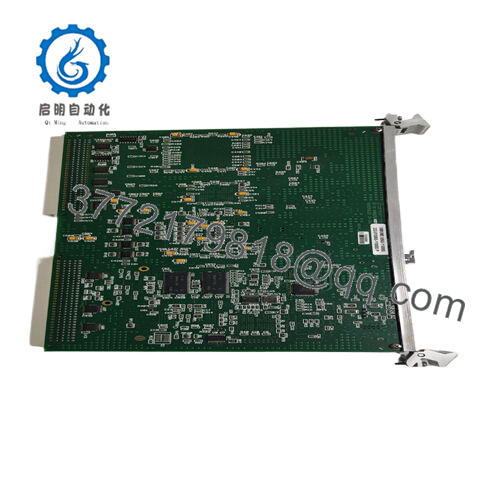
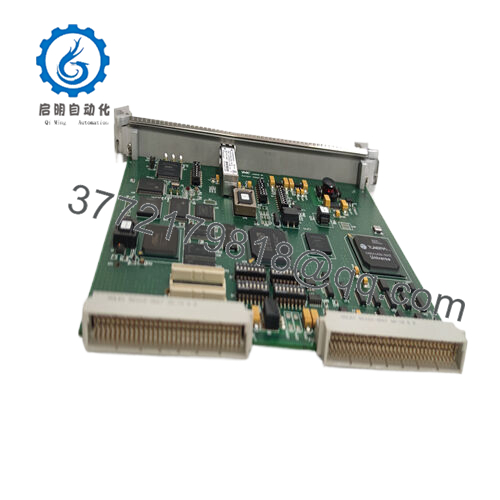
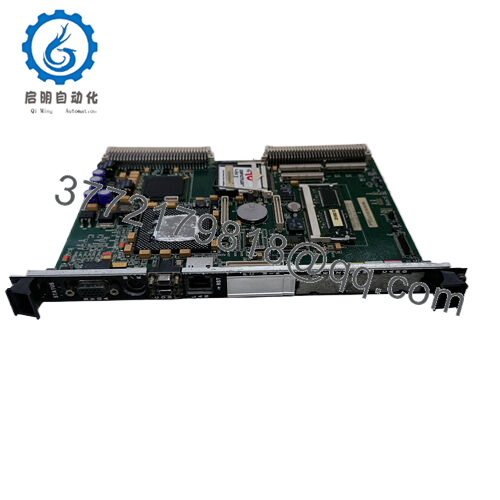
The GE VMIVME-7697-367 is a high-performance 6U VME64x single board computer used in real-time control, defense systems, and industrial automation platforms requiring deterministic processing and high-speed communication.
This product is a Brand New Surplus unit. It is not used, not pulled from a decommissioned plant, and not refurbished. As a discontinued CPU module, it represents a single point of failure in many legacy systems. Securing New Surplus inventory minimizes lead time variability, avoids refurbished failure risks, and reduces Total Cost of Ownership (TCO) by preventing costly downtime events.
5. Installation & Configuration Guide
Stage 1: Pre-Installation (Prep & Safety)
- Perform lock-out/tag-out (LOTO) on the VME chassis.
- Wear a grounded ESD wrist strap.
- Capture photos of DIP switches, BIOS settings, and connected interfaces.
- Verify +5 V rail capacity with at least 20% buffer.
Stage 2: Removal
- Loosen front panel screws evenly.
- Use ejector handles to remove the board gradually.
- Maintain straight alignment to avoid damaging backplane connectors.
Stage 3: Installation (Clone & Seat)
- Replicate all DIP switch and jumper configurations exactly.
- Align the board with guide rails and insert evenly.
- Seat fully using ejector handles.
Stage 4: Power-On & Testing
- Apply power and monitor for abnormal current draw.
- Check LEDs: RUN (normal), ERR (fault).
- Verify system boot sequence and Ethernet communication.
- Load or confirm application software execution.

- VMIVME-7697-367
6. Firmware/Software Versions & Upgrade Notes
- Recommended Firmware: Match existing BIOS and BSP versions exactly.
- Compatibility Note:
- Newer firmware may not support legacy PMC/XMC modules or VME drivers.
- Older firmware may limit CPU performance features.
- Critical Warning:
- Firmware mismatches can cause boot failure or VME bus timing errors.
- Avoid upgrading during replacement unless validated offline.
- Best Practice: Back up BIOS settings, firmware versions, and boot configurations prior to removal.
7. Frequently Asked Questions (FAQ)
Q1: Are these units truly new and unused?
Yes. These are New Surplus units with zero operational hours, no connector wear, and no repairs.
Q2: Why is this module priced higher than refurbished alternatives?
Refurbished CPU boards often contain aged components. Failure risk is unpredictable and can result in system-wide downtime costs far exceeding initial savings.
Q3: Is the VMIVME-7697-367 still manufactured?
No. It is EOL. Availability depends on existing global inventory, making proactive last-time-buy planning essential.
Q4: Can I hot-swap this CPU board?
No. VME systems require full power-down before insertion or removal to prevent damage.
Q5: Will my application software remain intact?
If stored externally or on removable media, yes. Always back up before replacement to avoid data loss.
Q6: What warranty is provided?
Standard warranty is 12 months, significantly longer than typical non-new market offerings.
Q7: What inventory strategy do you recommend?
For critical CPU modules, maintain Min: 1 / Max: 2 units on-site. For multi-system operations, implement cross-site sharing and vendor consolidation to balance availability with carrying cost.