 WhatsApp: +86 16626708626
 Email:
  Phone: +86 16626708626
Description
Key Technical Specifications
- Manufacturer: HIMA
- Model: F7531
- Product Type: Relay amplifier module / PC board
- Controller Compatibility: HIMA H41 and H51 series
- Channel Count: 8 safety channels
- Channel Monitoring: Independently monitored
- Supply Voltage: 5 VDC or 24 VDC
- Current Consumption: 600 mA at 5 VDC; 750 mA at 24 VDC
- Module Size: 4 TE
- Use Case: Safety-related signal switching and relay amplification
- Condition Types: New Original, Refurbished, Surplus
- Stock Note: Limited stock depending on channel and controller revision
Product Introduction
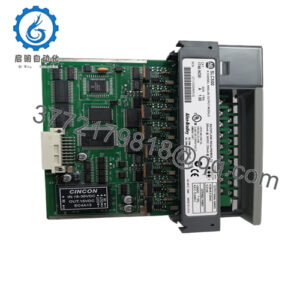
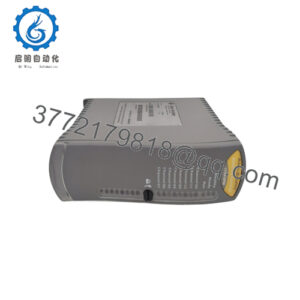
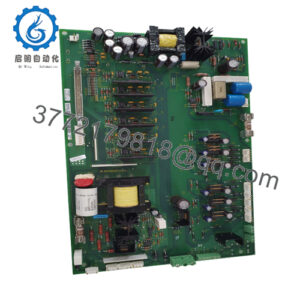
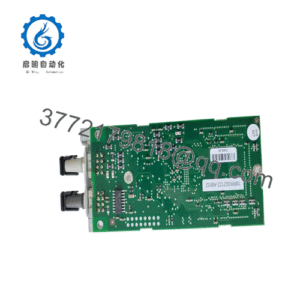
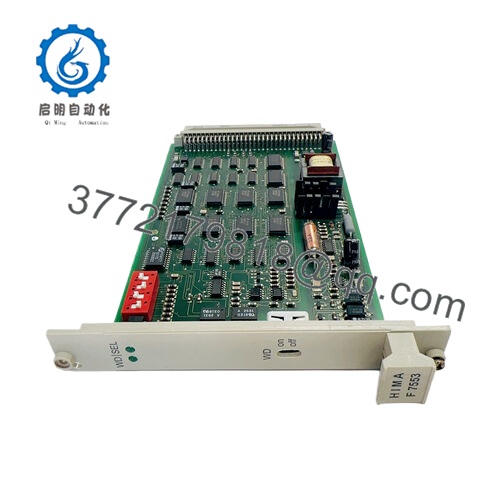
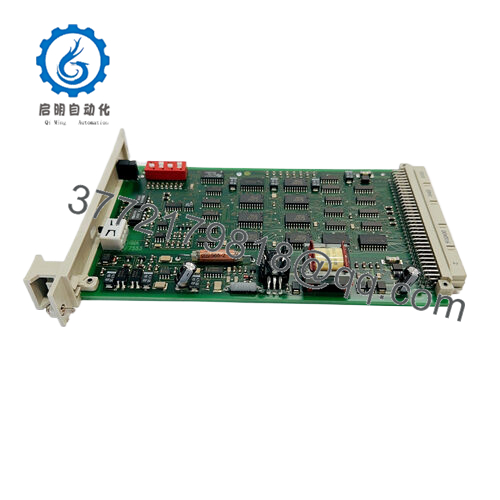
HIMA F7531 is a relay amplifier module used with HIMA H41 and H51 safety controllers. It handles safety-related signal switching across eight monitored channels and is listed as a PC board or relay amplifier module for PES applications.
For replacement work, the key points are controller compatibility, supply voltage, and the exact channel behavior expected by the site logic. This is the kind of part where a wrong revision or bad rack assumption can stop the whole safety loop, so verify the installed platform before ordering.

- F7531
Troubleshooting Quick Reference
| Symptom | Possible Cause | Relevance to This Part | Quick Check Method | Recommendation |
|---|---|---|---|---|
| Safety outputs not switching | Loss of module supply or controller command issue | ✅ High | Measure 5 VDC or 24 VDC at the module and check controller diagnostics | Verify upstream power and logic before replacing the board |
| One or more channels stuck | Relay contact wear or channel fault | ✅ High | Compare channel states in diagnostics and test the load path | Replace only after confirming the fault follows the module |
| Module overheats | Excess current draw or poor rack ventilation | ✅ Medium | Measure supply current and inspect cabinet airflow | Check power budget and cooling before condemning the part |
| Controller sees no module | Seating issue, backplane problem, or wrong revision | ✅ High | Reseat the board and confirm slot compatibility | Verify part number and physical fit first |
| Intermittent trips | Loose wiring, grounding problem, or noise | ✅ Medium | Check terminal torque, shielding, and cable routing | Fix field wiring before replacing the module |
| Logic works on bench, fails in cabinet | Site configuration mismatch | ✅ High | Compare bench settings to the live system parameters | Match the installed configuration and revision exactly |
If you get stuck, contact technical support with photos of the label, rack slot, wiring, and diagnostic logs.
Frequently Asked Questions
Q: What is HIMA F7531?
A: It is a relay amplifier module or PC board used with HIMA H41 and H51 safety controllers. It supports eight monitored safety channels for signal switching in PES applications.
Q: Is this a direct replacement for any HIMA safety card?
A: No. It is tied to specific H41/H51 controller environments, so exact platform matching matters. The part number alone is not enough for a safe swap.
Q: What power does it use?
A: Sellers list either 5 VDC or 24 VDC supply, with current consumption of 600 mA at 5 VDC or 750 mA at 24 VDC. Confirm the site rack supply before installation.
Q: How many channels does it have?
A: The module is described as having eight independently monitored safety channels. That makes channel mapping and wiring verification important during replacement.
Q: Is this part new or refurbished?
A: Both appear in the market. Listings range from new original stock to refurbished and surplus units, so ask for condition, test status, and warranty terms before buying.
Q: What should I check before I swap it?
A: Check controller family, supply voltage, slot fit, wiring, and the current safety logic. I would also photograph the old board before removal so you can mirror the setup exactly.