 WhatsApp: +86 16626708626
 Email:
  Phone: +86 16626708626
Description
3. Key Technical Specifications
| Parameter | Value |
|---|---|
| Manufacturer | HIMA |
| Model | F8630 |
| Product Type | Safety Controller / CPU Module |
| System Family | H41 / H51 Functional Safety System |
| Primary Function | Executes safety application logic |
| Application | Emergency Shutdown (ESD), Fire & Gas, Burner Management, Process Safety |
| Safety Platform | TÜV-certified functional safety architecture |
| Mounting | System rack installation |
| Supply Voltage | Backplane powered |
| Lifecycle Status | Legacy industrial safety controller |
| Condition | New Original (New Surplus) |
| Recommended Stocking Policy | Maintain 1–2 units for each critical safety controller |
| Warranty | 12–24 months depending on supply agreement |
4. Product Introduction & Supply Chain Strategy
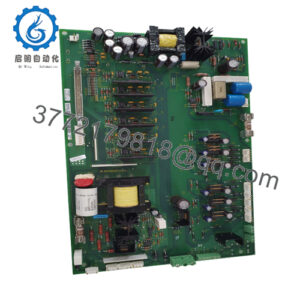
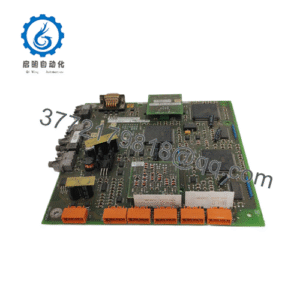
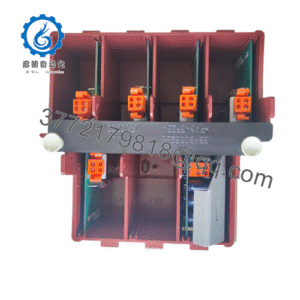
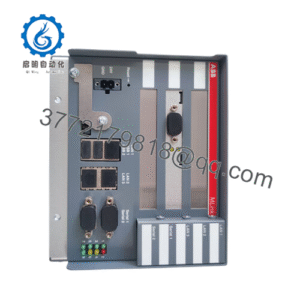
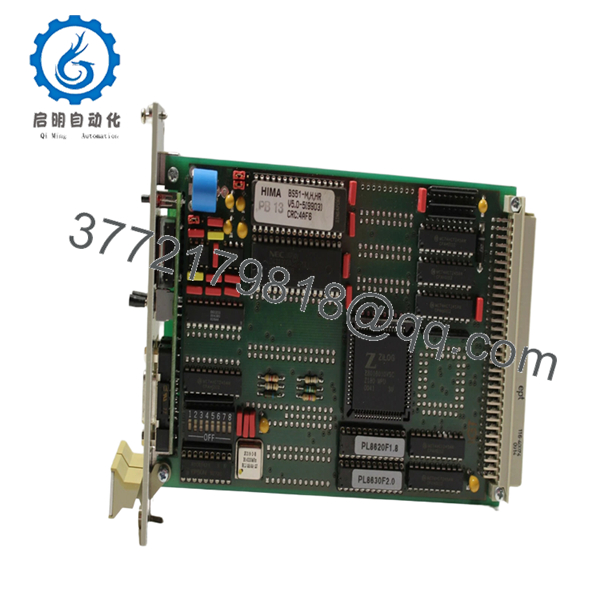
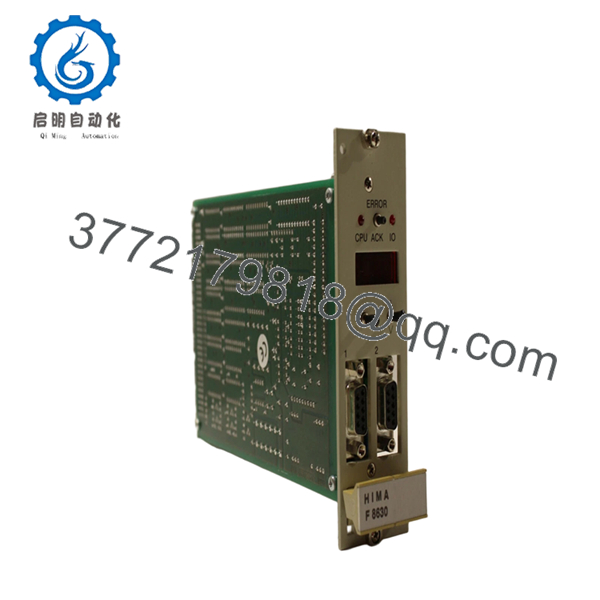
The HIMA F8630 is a safety controller module designed for HIMA functional safety systems. It executes certified safety logic and coordinates communication with safety I/O modules used in emergency shutdown, process protection, and critical industrial automation applications.
This product is a Brand New Surplus unit. It is not used, not pulled from a decommissioned plant, and not refurbished. All modules undergo rigorous quality verification to ensure OEM-level reliability. Maintaining New Surplus inventory lowers Total Cost of Ownership (TCO), reduces Lead time variability, supports Last-time-buy planning, and minimizes the operational risk associated with refurbished electronics. Vendor consolidation and strategic Buffer stock planning are recommended for legacy safety platforms where replacement lead times continue to increase.

- F8630
- F8630F8630
5. Installation & Configuration Guide
Stage 1 – Pre-Installation (Prep & Safety)
- Apply Lock-Out/Tag-Out (LOTO) procedures.
- Remove power from the safety cabinet.
- Wear a grounded ESD wrist strap.
- Photograph all wiring, communication cables, and module positions.
- Record every DIP switch, jumper, and communication address.
- Document the existing firmware version and controller configuration.
- Verify the 24 V DC power supply provides at least a 20% capacity reserve.
Stage 2 – Removal
- Disconnect communication and service cables.
- Release the retaining hardware.
- Remove the controller evenly without twisting.
- Protect the backplane connectors from mechanical damage.
- Store the removed module in an ESD-safe bag.
Stage 3 – Installation (Clone & Seat)
- Verify the replacement part number is HIMA F8630.
- Duplicate all hardware configuration settings exactly.
- Install the controller squarely into the rack.
- Ensure the backplane connector is fully seated.
- Tighten all retaining hardware securely.
Stage 4 – Power-On & Testing
- Check the 24 V DC rail for shorts before energizing.
- Restore system power.
- Confirm the RUN indicator reaches normal operating status.
- Verify no ERR or FAULT indicators remain active.
- Download or restore the validated safety application if required.
- Verify communication with all I/O modules.
- Perform complete functional testing before returning the Safety Instrumented System (SIS) to operation.
6. Firmware/Software Versions & Upgrade Notes
- Record the installed firmware version before replacing the controller.
- Replace the controller with the same validated firmware revision whenever possible.
- Verify compatibility between the controller firmware, engineering software, and installed I/O modules.
- Firmware revisions may require updated engineering tools and project databases.
- Upgrading firmware during hardware replacement should follow the site’s Management of Change (MOC) procedure.
- Downgrading firmware without validation may result in communication failures or application incompatibility.
- Back up the controller program, hardware configuration, and safety database before beginning replacement.
- Always perform a complete functional validation after startup.
7. Frequently Asked Questions (FAQ)
Q1. Are these genuinely New Original controllers?
Yes. We exclusively supply New Original (New Surplus) inventory. These controllers are not used, repaired, or refurbished. Every unit undergoes serial number verification, traceability inspection, power-on testing, communication verification, electrical inspection, firmware documentation, and final QC approval before shipment.
Q2. Why is New Surplus priced above refurbished products?
Our pricing reflects the cost of securing genuine New Surplus inventory globally. It is typically 20–30% higher than refurbished alternatives but remains below many OEM list prices while providing documented quality verification, warranty protection, and substantially lower operational risk.
Q3. Is the HIMA F8630 an obsolete product?
The F8630 belongs to an earlier generation of HIMA safety controllers and should be treated as a legacy product. Organizations operating these systems should maintain Buffer stock, monitor Lead time variability, and implement a Last-time-buy strategy before worldwide inventory becomes increasingly limited.
Q4. Can the F8630 be hot-swapped?
No. The controller should not be replaced while energized unless the specific HIMA system documentation explicitly permits online replacement. A controlled shutdown is the recommended procedure for safety-critical applications.
Q5. Will replacing the controller erase my safety program?
The application can normally be restored from an engineering backup, but always create verified backups of the safety project, firmware information, communication parameters, and hardware configuration before replacing the controller.
Q6. What quality inspections are completed before shipment?
Each New Surplus controller follows a documented SOP including OEM packaging verification, serial number authentication, power-on self-test, communication handshake verification, insulation resistance testing, firmware recording, ESD-safe packaging, and final inspector sign-off.
Q7. What spare inventory policy is recommended?
For Safety Instrumented Systems, maintain 1–2 New Original F8630 controllers on-site as Buffer stock for each critical system. Apply ABC Analysis based on equipment criticality and failure impact, reduce procurement complexity through Vendor consolidation, monitor Lead time variability, use JIT replenishment for common consumables, and execute Last-time-buy purchases before End-of-Life inventory is exhausted.