 WhatsApp: +86 16626708626
 Email:
  Phone: +86 16626708626
Description
3. Key Technical Specifications
- Manufacturer: HIMA
- Part Number: Z7128
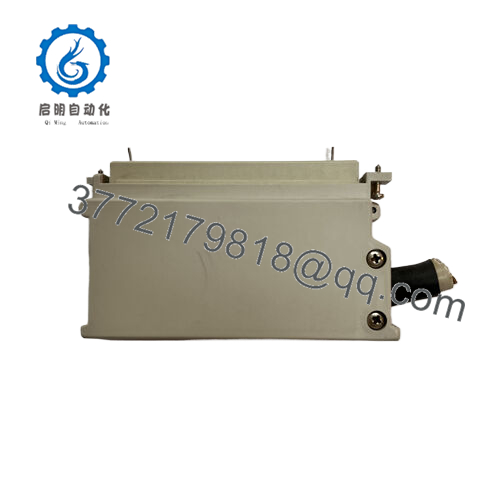
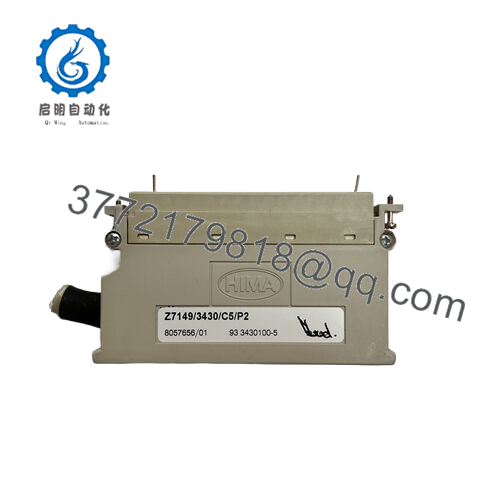
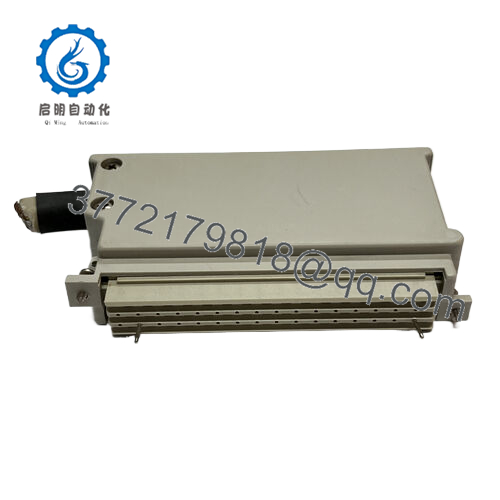
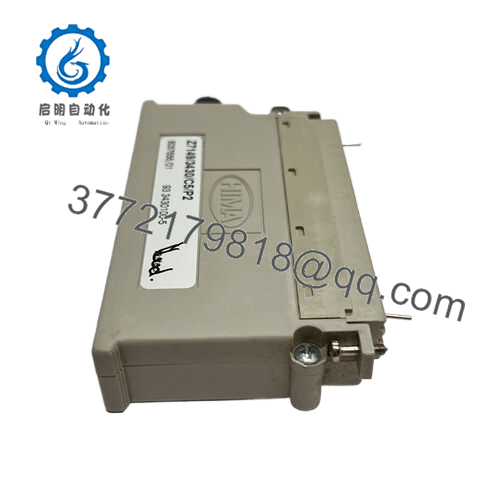
- Product Type: Cable plug / system connector
- Application: Safety PLC / SIS field interface wiring
- System Compatibility: HIMax, HIQuad X series systems
- Electrical Interface: 24 VDC signal/power routing (application-dependent wiring)
- Signal Types: Digital / analog / 4–20 mA depending on configuration
- Protection Rating: IP67 (sealed industrial connector variant)
- Operating Temperature: -40 °C to +70 °C typical industrial range
- Connector Type: Locking industrial plug interface
- Construction: Shielded, EMI-resistant cable termination design
- Weight: ~0.4–2.1 kg depending on vendor assembly variant
4. Product Introduction
The HIMA Z7128 is an industrial-grade cable plug used in HIMA safety instrumented systems, including HIQuad and HIMax platforms. It provides the physical and electrical interface between field devices and safety controllers, ensuring stable signal transmission in SIL-rated environments.
The connector is designed for harsh industrial environments with sealed construction, EMI protection, and compatibility with safety-critical control loops used in ESD, F&G, and process safety applications.

- Z7128
- Z7128
5. Installation & Configuration Guide
Stage 1: Pre-Installation Preparation
- ⚠️ Safety First: Isolate SIS system, apply LOTO, confirm zero-energy state
- Tools Required: ESD strap, insulated screwdriver, multimeter, labeling kit, phone for wiring photos
- Data Backup: Document all field wiring (24 VDC, 4–20 mA loops, shielding paths)
Stage 2: Removing the Old Module
- Remove protective connector housing
- Label all signal and power conductors
- Disconnect plug carefully (avoid twisting pins)
- Inspect connector pins for oxidation or heat damage
⚠️ Note: Do not reuse damaged sealing gaskets—IP rating depends on integrity
Stage 3: Installing the New Module
- Confirm exact Z7128 revision match
- Align keyed connector orientation
- Insert plug until full mechanical lock engages
- Re-terminate shielding per original grounding scheme
- Secure strain relief clamp
Checklist:
- Connector fully seated
- Lock mechanism engaged
- Shield grounded correctly
- No exposed conductors
Stage 4: Power-On & Testing
- Power up control cabinet only
- Verify LED status (if applicable via module interface)
- Check loop integrity (4–20 mA stability test)
- Validate communication to safety controller
- Perform point-to-point I/O verification
⚠️ Troubleshooting Note:
- No signal → check pinout mapping mismatch
- Intermittent faults → inspect shielding continuity
- Loop failure → verify 24 VDC supply integrity
6. Frequently Asked Questions (FAQ)
Q1: Is HIMA Z7128 a controller or a cable component?
It is a connector / cable plug assembly, not a processing module. It physically interfaces field wiring to HIMA safety systems.
Q2: Can it be used with any PLC system?
No. It is designed specifically for HIMA safety architectures (HIQuad / HIMax families). Generic PLC compatibility is not guaranteed.
Q3: Is this part hot-swappable?
Not in safety-critical installations. Field wiring should be de-energized before replacement to avoid loop disruption or backplane risk.
Q4: What happens if pinout is mismatched?
You may get signal corruption or safety loop failure, especially in 4–20 mA instrumentation loops. Always match original wiring documentation.
Q5: Is this an obsolete part?
It is not always considered obsolete, but availability depends heavily on system generation and regional stock. Many units are supplied as new surplus.
Q6: Why is this connector important in SIL systems?
Because SIL-rated systems depend on deterministic and failure-safe signal transmission—a poor connector can compromise loop integrity.
Q7: Can I replace it with a generic industrial connector?
Technically possible, but not recommended. You lose guaranteed compatibility, shielding performance, and certified safety compliance.