WhatsApp: +86 16626708626
 Email:
  Phone: +86 16626708626
Description
3. Key Technical Specifications
| Parameter | Value |
|---|---|
| Detector type | Ultraviolet (UV) solid-state |
| Self-check | Dynamic self-checking |
| Supply voltage | 120 VAC, 50/60 Hz |
| Power consumption | 7.0 W |
| Mounting | 3/4 in. NPT |
| Lead wires | 6 NEC Class 1 color-coded, 96 in. (8 ft) |
| Ambient temperature | –20 °F to +175 °F (–29 °C to +79 °C) |
| Enclosure | NEMA 4 / IP66 |
| Viewing window pressure | 20 psi standard (optional 50 psi) |
| Compatible amplifiers | R7247C, R7847C |
| Dimensions | 5-1/4 in. dia. × 7-7/32 in. long |
| Weight | Approx. 4.25 lb (1.9 kg) |
| Application fuels | Gas, oil, coal |
| Housing | Cast case and cover |
4. Product Introduction
The Honeywell C7012E1104 is a solid-state ultraviolet flame detector (Purple Peeper) designed for continuous flame supervision on gas, oil, or coal-fired burners.
It uses dynamic self-check circuitry and works with Honeywell flame amplifiers R7247C and R7847C. The unit mounts via 3/4″ NPT, carries a NEMA 4 enclosure, and operates from –20 °F to +175 °F. Color-coded 8-ft lead wires simplify wiring. This model is the direct functional equivalent for many existing C7012E installations and remains a standard replacement part in industrial burner management systems.
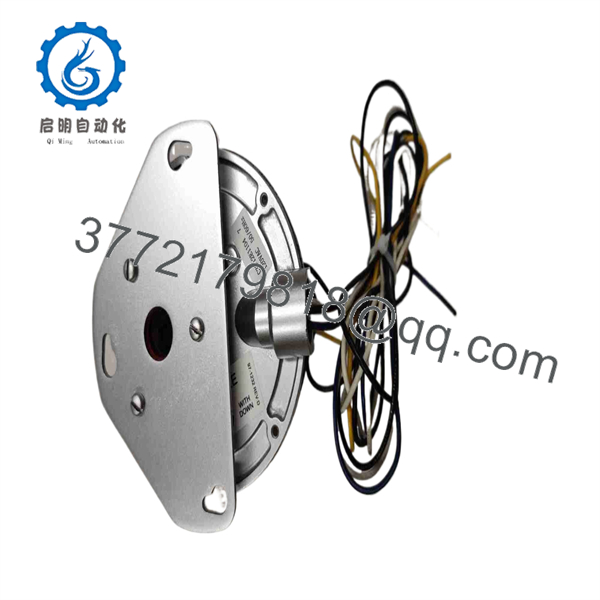
C7012E1104
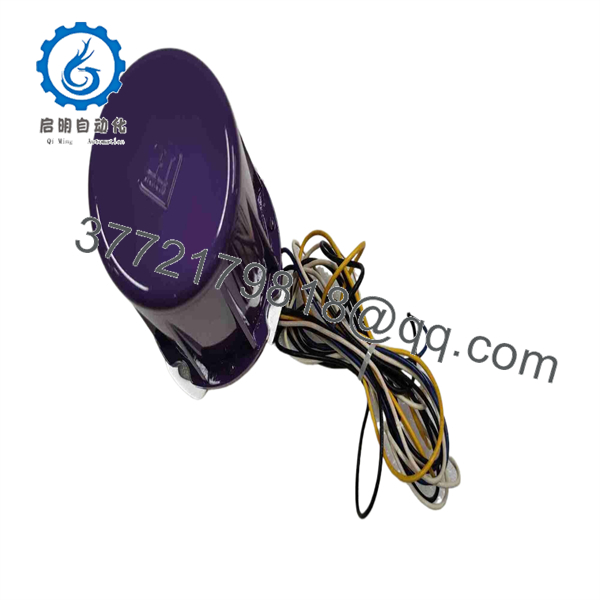
C7012E1104
5. Troubleshooting Quick Reference
| Symptom | Possible Cause | Relevance to this Part | Quick Check Method | Recommendation |
|---|---|---|---|---|
| No flame signal | Dirty viewing window or alignment | ✅ High | Clean window, verify sight-pipe alignment | Clean and re-sight before replacing |
| Self-check failure | Shutter or circuit fault | ✅ High | Observe self-check LED / amplifier status | Replace detector if shutter does not cycle |
| Intermittent signal | Loose wiring or vibration | ✅ Medium | Check lead-wire connections and grounding | Secure wiring and verify ground |
| Amplifier shows flame failure | Incompatible amplifier | ✅ High | Confirm R7247C or R7847C is used | Use only approved self-check amplifiers |
| Over-temperature shutdown | Ambient exceeds 175 °F | ✅ Medium | Measure local ambient temperature | Add cooling air or relocate sight pipe |
| Nuisance trips | UV from ignition spark or other | ❌ Low | Check for extraneous UV sources | Shield or time-delay as required |
If the fault remains after these checks, photograph the nameplate, wiring, and amplifier status LEDs, then contact technical support with the diagnostic data.
6. Frequently Asked Questions (FAQ)
Q: Is the C7012E1104 still current or discontinued?
A: It is discontinued by Honeywell and replaced by the C7012E1112 in many catalogs. Functionally identical new-surplus and refurbished units remain widely available and fully compatible with existing R7247C/R7847C amplifiers.
Q: Can I use this detector with any Honeywell flame amplifier?
A: No. It requires a dynamic self-check amplifier—specifically R7247C or R7847C. Using a non-self-check amplifier will not provide the required continuous-operation approval.
Q: What is the viewing-window pressure rating?
A: Standard window is rated 20 psi. An optional 50 psi window is available for higher-pressure applications. Confirm the window rating on the unit you receive.
Q: Can two detectors be wired in parallel?
A: Yes. Parallel wiring of two C7012E units is a common practice to reduce nuisance shutdowns on critical burners.
Q: Why is a surplus unit priced lower than a current-production equivalent?
A: The C7012E1104 is an older self-check design. New-surplus stock is unused original material that still meets the full electrical and optical specification. Every unit is functionally tested before shipment.
Q: Any common installation traps?
A: Keep the sight pipe clean and aligned so the detector views the primary combustion zone, not the refractory or ignition spark. Use the correct self-check amplifier and verify lead-wire polarity. A clear photo of the original wiring and amplifier model before removal prevents most commissioning delays.