WhatsApp: +86 16626708626
 Email:
  Phone: +86 16626708626
Description
3. Key Technical Specifications
| Parameter | Value |
|---|---|
| Input / Output Model | CC-PDIL51 – 24 VDC Digital Input |
| Input Channels | 32 |
| DI Power Voltage Range | 18 to 30 VDC |
| ON Sense Voltage / Current | 13 VDC min or 3 mA min |
| OFF Sense Voltage / Current | 5 VDC max or 1.2 mA max |
| Input Impedance | 4.2 kΩ |
| Galvanic Isolation | 1000 VAC RMS (any input terminal to common) |
| Isolation Technique | Optical (in IOM) |
| Absolute Delay (Filter + Isolation) | 5 ms ±20 % |
| Field Resistance (Guaranteed ON) | 300 Ω max @ 15 VDC |
| Field Resistance (Guaranteed OFF) | 30 kΩ min @ 30 VDC |
| Open-Wire Detection | Not supported |
| Compatible IOTA (examples) | Non-redundant: CC-TDIL51 (9″); Redundant: CC-TDIL61 (12″) |
| Field Power Options | Internal or external; onboard excitation; non-incendive capable |
| Redundancy | Optional |
| Diagnostics | Extensive internal diagnostics for data integrity |
| Mounting | Plugs into Series C IOTA |
Confirm the exact IOTA model and Experion software release (R410 or later) before installation. Earlier releases are not compatible.
4. Product Introduction
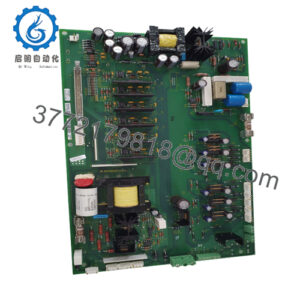
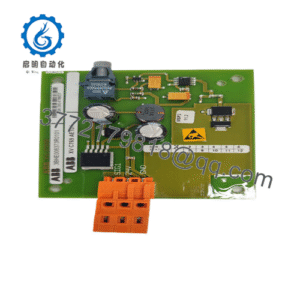
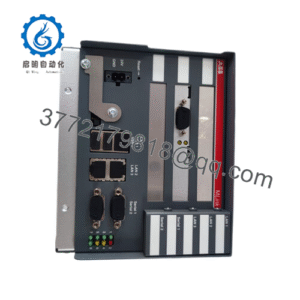
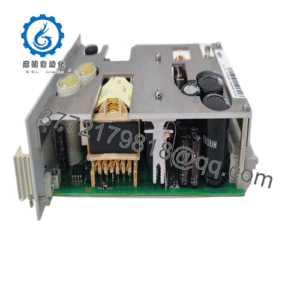
The Honeywell CC-PDIL51 is a 32-channel 24 VDC digital input module for the Experion PKS Series C / C300 platform. It accepts discrete signals from field contacts, switches, and proximity devices and reports their status to the controller with optical isolation and onboard diagnostics.
This module is the non-open-wire version of the Series C 24 V digital input family. It was introduced with Experion R410 and later releases. Engineers use it for high-density discrete monitoring where line-break detection is not required. It supports internal or external field power, optional redundancy via matching IOTAs, and non-incendive field power for appropriate hazardous-area applications.
5. Installation & Configuration Guide
Stage 1: Pre-Installation Preparation (10–15 min)
⚠️ Safety First: Place the process in a safe state. Notify operations of the planned I/O outage. Lock-out/tag-out power to the Series C cabinet or IOTA. Allow residual energy to dissipate.
Tools Required: ESD wrist strap, screwdriver set, multimeter, wire labels, smartphone for photos of existing IOTA wiring and module labeling.
Data Backup: Record or photograph the current channel assignments, polarity, power source selection (internal/external), and any filter or invert settings in Experion. Note the exact IOTA model and slot.
Stage 2: Removing the Old Module (5–10 min)
- Confirm power is removed from the IOTA or that the module can be safely withdrawn.
- Release the module locking mechanism and pull the IOM straight out of the IOTA.
- Inspect the IOTA connectors for bent pins, corrosion, or debris.
⚠️ Keep the old module available until the new unit is online and all channels report correctly.
Stage 3: Installing the New Module (10–15 min)
- Verify the part number is CC-PDIL51 and that the firmware/software compatibility matches the system (R410+).
- Align the module with the IOTA guides and insert fully until the lock engages.
- Confirm field wiring on the IOTA terminals (polarity and power source selection are critical).
- If using redundancy, ensure the partner module and IOTA pair are correctly configured.
Self-Checklist: [ ] Module fully seated [ ] Lock engaged [ ] Field power source correct [ ] No bent pins.
Stage 4: Power-On & Testing (10–20 min)
Pre-Power Check: Verify no shorts on the 24 V field power and signal terminals.
- Restore power. Observe module power and status LEDs.
- In Experion, confirm the module is recognized and the 32 channels appear.
- Force or exercise known field contacts and verify ON/OFF status matches reality. Check invert settings if used.
- Review diagnostic status for any channel faults.
⚠️ Troubleshooting: Module not recognized usually indicates seating, IOTA mismatch, or software version incompatibility. Channels stuck OFF often point to field power selection, wiring polarity, or threshold issues. LED on but logic OFF can indicate noise, contact bounce, or incorrect filter settings.
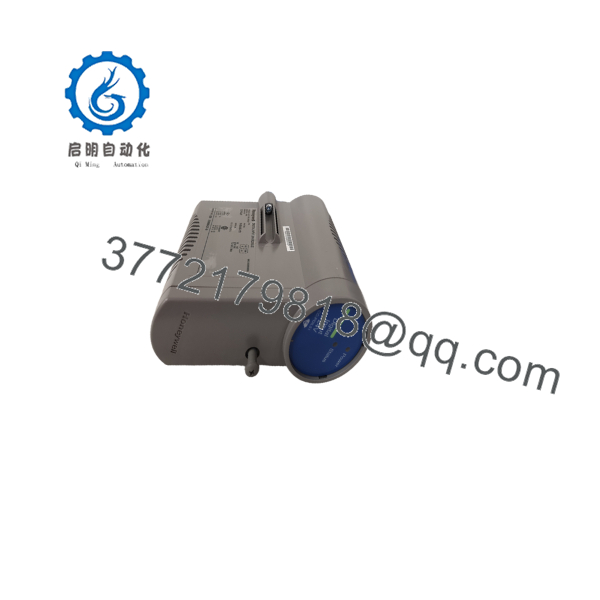
CC-PDIL51
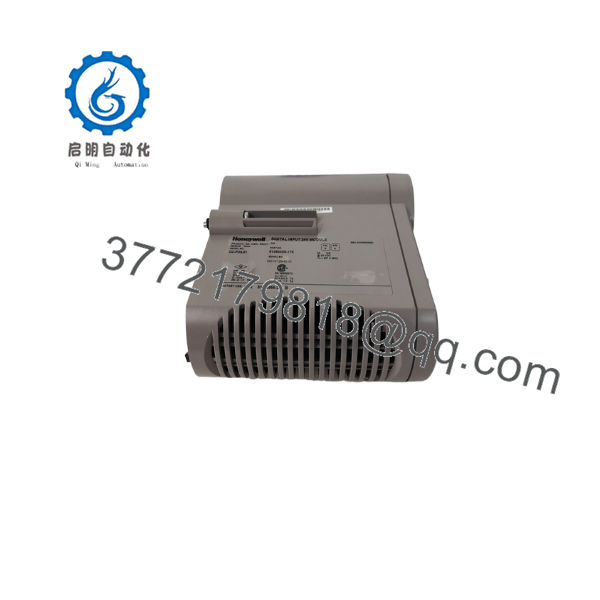
CC-PDIL51
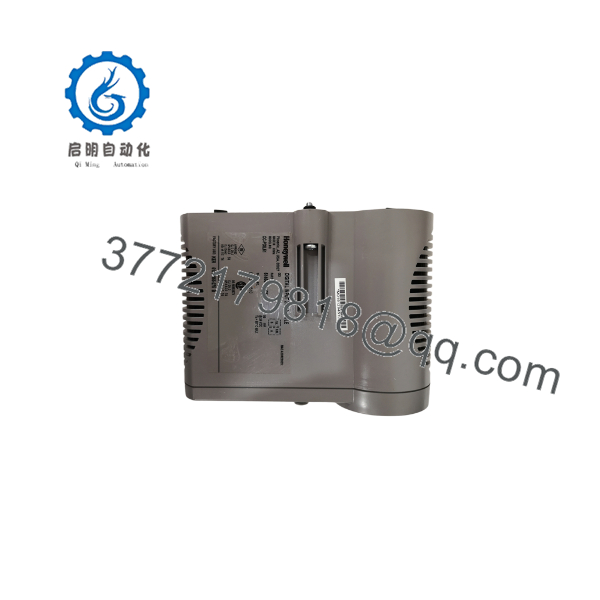
CC-PDIL51
6. Frequently Asked Questions (FAQ)
Q: Can the CC-PDIL51 be hot-swapped?
A: Series C modules support controlled replacement under defined conditions, but best practice is to take the associated IOTA offline. Always follow site procedures and confirm redundancy status before removal.
Q: Does this module support open-wire detection?
A: No. The CC-PDIL51 does not provide open-wire detection. If line-break diagnostics are required, use the CC-PDIL01 family instead.
Q: What Experion release is required?
A: The CC-PDIL51 requires Experion PKS R410 or later. Using it on earlier releases can cause improper operation or render the module unrecoverable.
Q: What IOTA is required?
A: Typical non-redundant IOTA is CC-TDIL51 (9″). Redundant configurations use CC-TDIL61 (12″). Match the exact IOTA to the system design.
Q: Will I lose channel configuration when I replace the module?
A: Configuration resides in the Experion database and IOTA. After replacement the controller downloads the existing settings. Always verify polarity, invert, and power-source selections after the swap.
Q: Why is the price lower than current Honeywell list pricing?
A: Many units available on the secondary market are new surplus. Pricing reflects that availability rather than full current production list price.
Q: What testing is performed before shipment?
A: Visual inspection, power-on self-test, channel ON/OFF verification under simulated 24 VDC inputs, and basic diagnostic checks. Test reports and photos are available on request.