WhatsApp: +86 16626708626
 Email:
 Phone: +86 16626708626
Description
Key Technical Specifications
- Part Number: 51304425-175 (MC-TDPR02; base non-coated assembly is 51304425-125 / MU-TDPR02)
- Module Type: Digital Input Power Distribution Field Termination Assembly (FTA)
- Function: Busses 24 V DC to the digital input FTAs (e.g., MC-TDIY22) feeding the DI IOPs — shared excitation source for field contact sensing
- Distribution Voltage: 24 V DC nominal
- Coating: Conformal coated (-175 “EC/CC” variant) for corrosive atmospheres — hydrogen sulfide, coastal salt, chemical washdown
- Compatibility: Honeywell HPM/APM I/O (TDC 3000 / TPS) and Experion PKS Series 8 IOTA-based I/O using the TDPR02 power distribution scheme
- Family Part Variants: 51304425-100 (power distribution PWA), 51304425-125 (MU-TDPR02 assembly), 51304425-175 (MC-TDPR02 conformal coated) — confirm your required suffix against the site nameplate
- Current Budgeting: Sized per the Honeywell power system calculation — sum the DI FTA current draws (e.g., 320 mA-class loads per FTA family) and apply the documented power system module current limits
- Redundancy: DI power distribution participates in redundant IOP/power system configurations per the Series 8 planning rules
Verify your exact suffix (-100 / -125 / -175) and the power system current calculation against the Honeywell Control Hardware Planning Guide before ordering — the coating and assembly level determine both compliance and fit.
Product Introduction
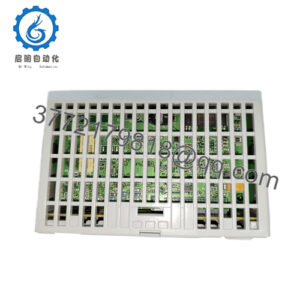
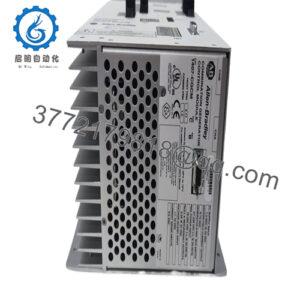
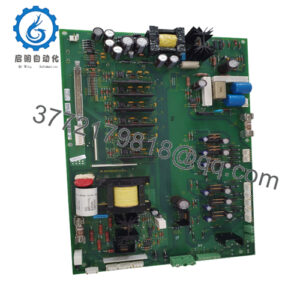
The Honeywell MC-TDPR02 (51304425-175) is the 24 V DC power distribution FTA that feeds excitation power to your digital input field termination assemblies in HPM/APM and Series 8 I/O. Every DI point on your MC-TDIY22 cards gets its sensing voltage through this board — it’s the single component whose failure looks like every digital input on the IOTA went dark at once.
The -175 suffix is the conformally coated build, specified for refineries, offshore platforms, and coastal plants where uncoated boards corrode. Plants buy this as a like-for-like replacement or strategic spare: it’s legacy Honeywell hardware, sealed stock only shrinks, and without it, your DI points have no excitation regardless of how healthy the input modules are. One card restores the power path to every DI point it feeds.
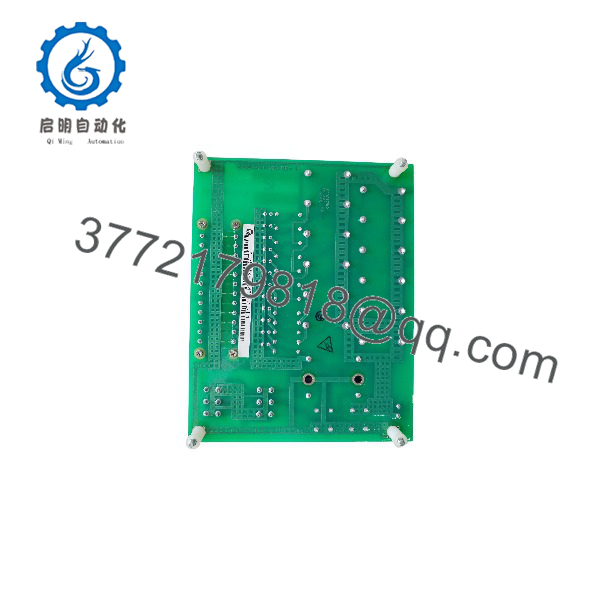
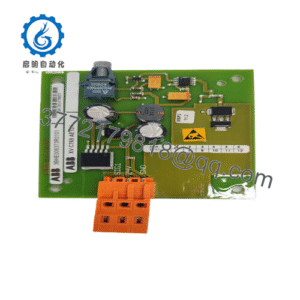
MC-TDPR02 51304425-175
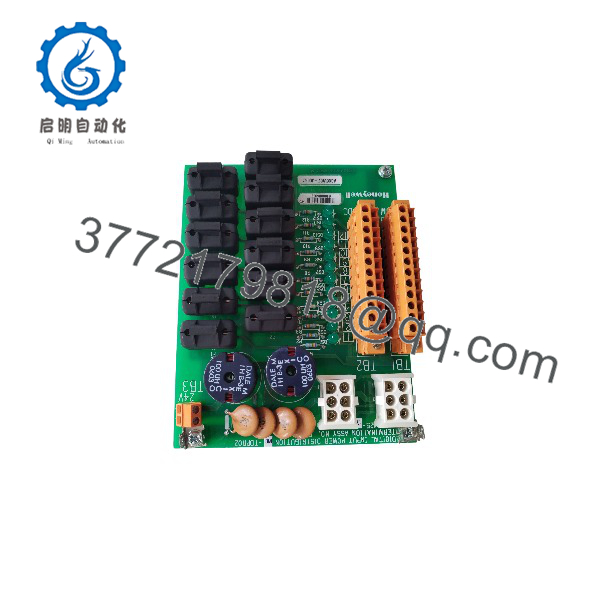
MC-TDPR02 51304425-175
Troubleshooting Quick Reference
| Symptom | Possible Cause | Relevance to this Part | Quick Check Method | Recommendation |
|---|---|---|---|---|
| All DI points on multiple FTAs read OFF simultaneously | Lost 24 V DC distribution — this FTA or its upstream feed | ✅ High | Measure 24 V DC at the TDPR02 output terminals and at the input feed | If input present but outputs dead, replace this FTA; if input dead, check the power system feed first |
| Some DI points intermittent, others solid | Corroded terminal or cracked solder joint on one distribution leg | ✅ High | Measure voltage on each distribution leg under load; inspect terminals for green corrosion | Repair/re-terminate the affected leg; a failing leg gets worse weekly |
| DI points read fine at panel but chattery in the field | Distribution voltage sagging under full load — undersized or degraded feed | ⚠️ Medium | Measure 24 V DC under full DI load (all points energized), not open-circuit | Verify the power system current budget; sag means capacity, not card, problem |
| Burned terminal or discoloration on the board | Shorted downstream field loop feeding back into the distribution | ✅ High | Isolate downstream FTAs; Megger each leg for shorts | Fix the field short before installing a replacement — a new FTA on a shorted leg burns identically |
| Point values frozen after maintenance | Distribution wiring re-landed on wrong terminals after FTA swap | ❌ Low | Compare terminal landing against wiring drawings and pre-swap photos | Correct the wiring — the FTA is fine |
| Repeated failures in humid season | Water ingress in the cabinet attacking the distribution terminals | ⚠️ Medium | Inspect cabinet seals and look for moisture traces on the backplane | Fix the enclosure; coating protects the board, not the terminals |
Straight talk: when every DI point dies at once, this card — or the wire feeding it — is your first suspect, well before the input modules. Ten minutes with a multimeter at the output terminals settles it. If you’re stuck, contact our technical support with voltage measurements at the input and output terminals, photos of the board, and the affected point list.
Frequently Asked Questions (FAQ)
Q1: What does this board actually do? My input modules seem to handle the signals.
Your input modules read the points; this board feeds them the 24 V DC they read against. Honeywell’s DI scheme uses a shared excitation source — the TDPR02 distributes that power across the DI FTAs on the IOTA. When it fails, the symptoms look identical to a mass input module failure: every point reads OFF. The difference matters because the fix is a $300 board swap, not an IOP replacement. Diagnose the power path first — measure before you order anything.
Q2: What’s the difference between 51304425-100, -125, and -175?
Three levels of the same function: -100 is the power distribution PWA board itself, -125 is the MU-TDPR02 termination assembly level, and -175 is the MC-TDPR02 conformally coated assembly. In practice, you order the level your site’s bill of materials and wiring drawings reference — substituting a -125 for a -175 fails a coated-electronics site spec, and a bare board where an assembly is called out leaves you without the termination hardware. Match the suffix exactly. Send us your nameplate text when requesting a quote and we’ll confirm what we have.
Q3: Do I really need the conformal coated version?
If your plant spec requires it — offshore, sour gas, coastal, chemical units — then yes, and there’s no negotiating it past inspection. If the cabinet sits in a climate-controlled rack room inland, the uncoated version serves identically. One caution from the field: coating requirements are written per area, not per convenience. We’ve seen sites try to buy uncoated cards into coated specs to save 15%, and the cards fail the site audit and the corrosive atmosphere both. The -175 costs more for a reason; buy what your spec says.
Q4: Can I hot-swap this FTA?
No sensible engineer does. Pulling the DI power distribution board live takes every DI point on the IOTA to an unknown state — on interlock and ESD inputs, that’s a nuisance trip at minimum and a documented abnormal event at worst. The correct sequence: assess the impact of losing all affected DI points, take the group to a safe state per your site procedure, power down the slot, swap, power up, and verify point states before returning to service. UCN-era and Series 8 hardware were simply not designed for live FTA removal, whatever some listings claim.
Q5: How do I size the power budget when I add DI FTAs?
Follow the Honeywell Control Hardware Planning Guide calculation: sum the current draw of every DI FTA on the power system (each FTA family has a documented draw in the 300 mA class per unit), add the IOP module currents, and check the total against the power system capacity — leave margin. The classic failure mode is adding “just one more” DI card without redoing the budget, then chasing intermittent points for a month because the distribution is running at 105% under certain combinations of energized field contacts. Do the arithmetic; it’s ten minutes.
Q6: Is it “New Original” even though the platform is legacy?
Yes — our units are New Original / New Surplus: genuine Honeywell factory-sealed stock from cancelled projects, de-inventoried sites, and distributor overstock, verified by part number and revision against Honeywell records. These were built, sealed, and never installed. We inspect seal integrity, terminal condition, and coating state, and photograph the label before shipping. On legacy boards where counterfeits circulate, the serial and revision verification step is not optional — we do it on every unit.
Q7: What’s the lead time and warranty?
In-stock units ship within 24–48 hours, ESD-wrapped with rigid packaging — terminal blocks and board edges crack when packers cut corners. Every unit carries a 1-year warranty covering functional failure and ships with our inspection report. For quantities or specific suffixes, contact us with your nameplate details before ordering; legacy Honeywell stock moves in waves, and we’ll confirm the exact revision on hand rather than take the order and discover a mismatch at your dock.