WhatsApp: +86 16626708626
 Email:
 Phone: +86 16626708626
Description
Key Technical Specifications
| Parameter | Value |
| Communication Protocol | Profibus DP, DP-V0 / DP-V1 |
| Transmission Speed | Up to 1.5 MBaud (auto-baud) |
| Module Capacity | Up to 16 modular I/O units (digital, analogue, counting) |
| Maximum I/O Points | Up to 255 I/O data points |
| Built-in Web Server | Integrated for commissioning, diagnostics, and service |
| Power Supply | 24 VDC nominal system power |
| Mounting Type | 35 mm top-hat DIN rail (DIN EN 60715) |
| Operating Temperature | 0 to +55 °C |
| Enclosure Protection | IP20 rating |
| Weight | ~0.45 kg |
Product Introduction & Supply Chain Strategy
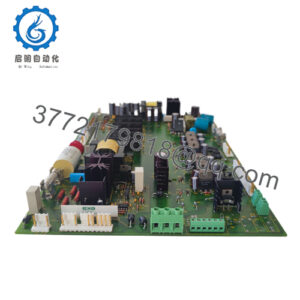
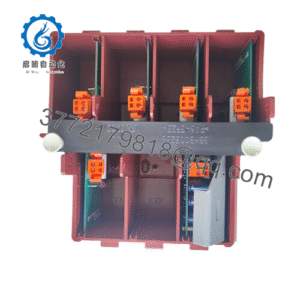
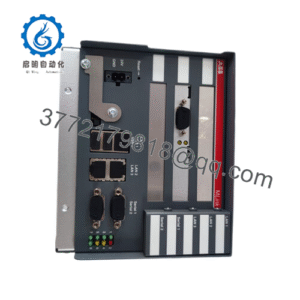
The Honeywell PCD3.T760 is a Profibus DP remote I/O bus coupler designed to connect up to 16 modular I/O units to a central automation controller. It coordinates high-speed data transmission and remote signal collection across distributed industrial processes.
Securing this module as a certified New Surplus part ensures high uptime for aging automation loops. Sourcing factory-fresh surplus avoids the hidden component aging risks of second-hand units, protecting Total Cost of Ownership (TCO) and avoiding unplanned line stoppages.
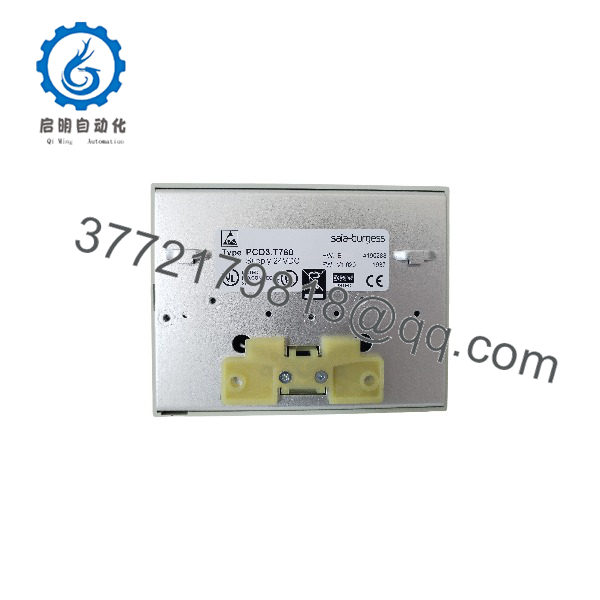
PCD3.T760
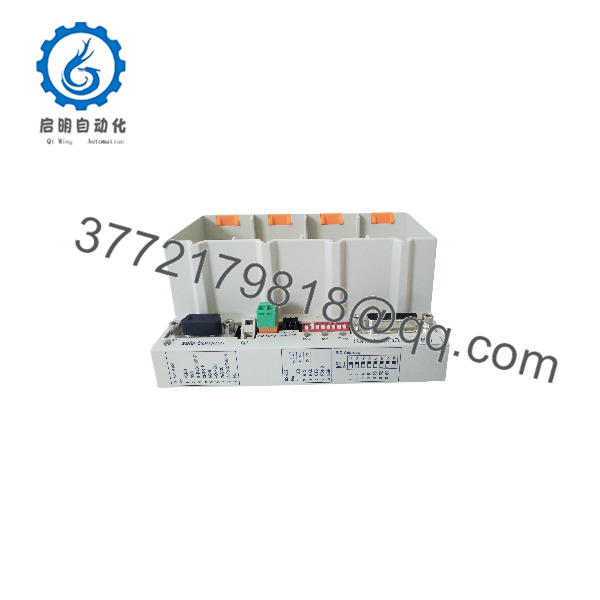
PCD3.T760
Installation & Configuration Guide
1.Pre-Installation (Prep & Safety):Prerequisite.
Isolate power to the remote I/O cabinet rack and execute formal lock-out/tag-out (LOTO) protocols. Wear an ESD wrist strap connected to the cabinet ground stud. Document existing Profibus station address rotary switch settings on the legacy module.
Verification: Confirm zero voltage across base power terminals using a calibrated digital multimeter.
2.Removal:Mechanical Extraction.
Disconnect the Profibus DP field connector and pluggable power/signal terminal blocks from the legacy PCD3.T760 unit. Release the module from the 35 mm DIN rail using a flathead screwdriver on the release latch, pulling the coupler straight off the rail.
Verification: Inspect adjacent I/O expansion modules and bus connectors to ensure no mechanical distortion or dust debris remains.
3.Installation (Clone & Seat):Hardware Setup.
Set the hardware rotary address switches on the new Honeywell PCD3.T760 module to match the exact station address of the old unit. Mount the coupler securely onto the 35 mm DIN rail and reattach all I/O expansion blocks, power lines, and communication cables.
Verification: Perform a gentle pull test on the Profibus connector and power leads to verify secure physical and electrical seating.
4.Power-On & Testing:Commissioning.
Restore 24 VDC power to the remote node rack. Monitor diagnostic LEDs on the front panel to verify proper bus initialization and token-passing communication with the master PLC.
Verification: Access the integrated web server via an Ethernet browser connection to verify that all connected digital and analog I/O points report healthy status telemetry.
Firmware/Software Versions & Upgrade Notes
- Web Server Baseline: Ensure your maintenance workstation supports the embedded web server diagnostic interface for routine system parameter checks.
- Compatibility Warnings: Avoid arbitrary firmware updates across major platform revisions without verifying GSD file compatibility with your master PLC network configuration.
- Configuration Retention: Station addresses are set via physical rotary switches on the module housing; always verify switch positions before energizing replacement hardware.
Frequently Asked Questions (FAQ)
- Why is this Honeywell PCD3.T760 coupler classified as New Surplus rather than standard factory direct?
This unit is an authentic, original OEM-manufactured product procured from verified surplus channels after plant inventory adjustments. It has never been installed, powered in a live rack, or subjected to industrial operational wear.
- How can I verify this module is not refurbished or repaired?
We enforce a strict zero-tolerance policy against second-hand, repaired, or rebuilt electronics. Each unit arrives in original packaging featuring pristine connector pins, unblemished housing, and factory-fresh internal components.
- What are the hidden risks of utilizing refurbished remote I/O couplers?
Refurbished bus couplers frequently contain degraded communication transceivers and aged power supply capacitors. These latent flaws cause intermittent network dropouts, frame errors, and expensive remote node communication failures.
- Does the PCD3.T760 support standard Profibus DP-V1 features?
Yes, the module is engineered to support standard Profibus DP communication profiles along with modular expansion for up to 16 digital, analog, or counter I/O cards.
- What warranty terms apply to this New Surplus module?
This product is backed by a comprehensive 1-year replacement warranty, matching standard OEM reliability benchmarks and protecting your facility’s operational investment.