WhatsApp: +86 16626708626
 Email:
  Phone: +86 16626708626
Description
Key Technical Specifications
- Manufacturer: IDEC Izumi
- Series: IZBARL
- Model: IBRC 6052R
- Channels: 5
- Input Safety Rating: AC/DC 250 V
- Barrier Function: Intrinsically safe isolation for pilot devices (switches, proximity sensors) in Class I/II/III, Div. 1 hazardous locations
- Mounting: DIN rail
- Country of Manufacture: Japan
- Application: Explosion-proof / intrinsically safe circuit interfacing between hazardous and safe areas
- Compatible Field Devices: Dry contact switches, proximity switches, pilot devices rated for I.S. circuits
Verify exact coil voltage, safety current (mA), and resistance values against the OEM IZBARL datasheet or nameplate before specifying a replacement — IDEC’s IZBARL family spans several voltage/current variants (e.g., 6V, 16V DC coil versions exist under similar part numbers), and the 6052R nameplate is the authoritative source.
Product Introduction
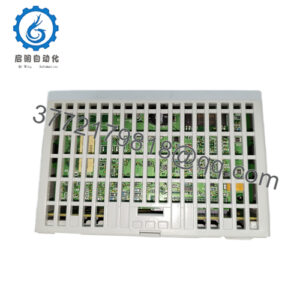
The IDEC Izumi IBRC 6052R is a 5-channel intrinsically safe relay barrier from the IZBARL series, built to isolate and current-limit signals between hazardous-area field devices and safe-area control equipment. It’s deployed on DIN rail in process plants, refineries, and other Class I/II/III Div. 1 environments where pilot switches or proximity sensors sit inside a classified zone.
Buyers pull this model when replacing a failed or aging IZBARL barrier in an existing panel — it’s a like-for-like swap that avoids re-engineering the I.S. loop calculations tied to a different barrier family. Since IDEC has moved current production to the EB3C series, sourcing an original IZBARL unit keeps the existing hazardous-area certification and loop documentation intact without a full barrier re-approval.
Troubleshooting Quick Reference
| Symptom | Possible Cause | Relevance to this Part | Quick Check Method | Recommendation |
|---|---|---|---|---|
| No output signal on any channel | Loss of supply voltage to barrier rack | ❌ Low | Measure supply terminals with a multimeter | Check upstream power supply and fuses first |
| Single channel dead, others fine | I.S. loop fault or field device failure | ❌ Low | Isolate the channel and test the field switch directly | Field device or wiring is the usual culprit, not the barrier |
| Relay barrier won’t reset after trip | Internal relay contact fault or fuse open | ✅ High | Check internal fuse (if accessible) and listen/feel for relay click on signal change | Usually requires barrier replacement |
| Intermittent signal dropout | Loose terminal connection or corroded contact | ❌ Low | Retorque terminal screws, inspect for corrosion | Reseat wiring before condemning the barrier |
| All channels dead, panel otherwise powered | Barrier internal failure (rare) | ✅ High | Confirm supply is present at barrier input terminals, then test channel output continuity | Replace unit if supply confirmed good and output is dead |
Barriers in this series rarely fail outright — most “dead barrier” complaints trace back to loose field wiring, a blown loop fuse, or a failed proximity switch upstream. If you’re still stuck after the above checks, contact technical support with terminal voltage readings, a photo of the nameplate, and a description of the failure mode.
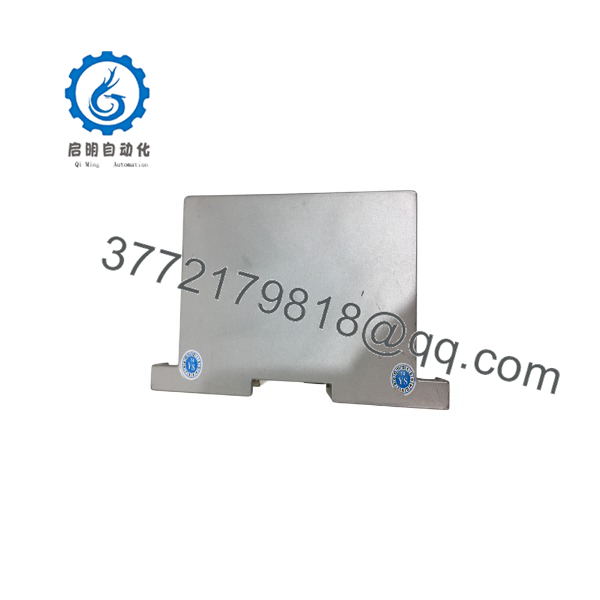
IBRC 6052R
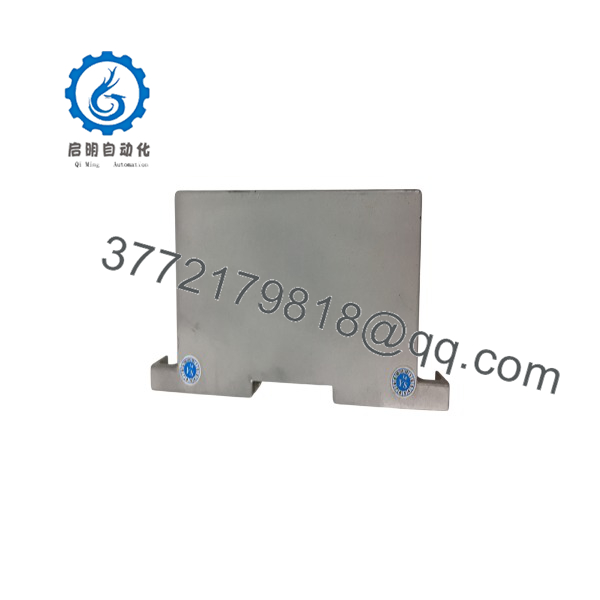
IBRC 6052R
Frequently Asked Questions (FAQ)
Is the IBRC 6052R still in current production?
No. This is a legacy IZBARL-series part. IDEC’s current catalog runs the EB3C line for new installations. If you’re buying an IBRC 6052R, you’re buying it as a maintenance replacement for an existing panel — not for a new design.
Can I substitute an EB3C barrier for this one?
Not without re-checking the I.S. loop parameters. The EB3C series has different entity parameters (voltage, current, capacitance/inductance limits) than the IZBARL series. Swapping barrier families means redoing the loop calculation and, in a certified installation, potentially re-approving the hazardous-area documentation. Stick with an original IZBARL unit for a drop-in replacement.
Why is this cheaper than a new unit — what condition is it actually in?
Because it’s surplus or pulled stock, not fresh from IDEC. Be upfront with your supplier about whether it’s New Surplus (unused, pulled from a decommissioned panel or excess inventory) or Used-Tested (removed from service and functionally verified). Ask for the actual test method and results before buying — a barrier that “looks fine” and a barrier that’s been function-tested under load are two different levels of confidence.
Does swapping this barrier require reconfiguring anything?
Generally no — IZBARL barriers are largely fixed-function per channel with no field-configurable DIP switches on this style of unit. But confirm your specific rack doesn’t have jumper-selectable options before assuming a straight swap.
Is it hot-swappable?
Treat it as not hot-swappable. Pulling a barrier from an energized I.S. loop risks a transient that defeats the point of having a barrier in the first place. De-energize the loop, swap the unit, then re-energize.
What warranty comes with a surplus unit?
Warranty terms vary a lot by seller on surplus/legacy stock — some offer 30-day exchange, others none. Get this in writing before you buy, since IDEC’s original factory warranty won’t apply to a pulled unit outside their return window.
Do I need to worry about ESD when handling this?
Yes, treat it like any board-level device — a grounded wrist strap during handling and storage in an ESD bag when not installed is cheap insurance against a barrier that tests bad on arrival for no obvious reason.